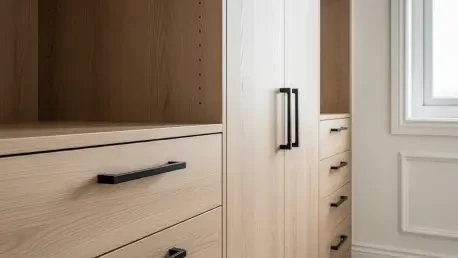

Achieving a high-end interior aesthetic does not necessitate a prohibitive financial commitment, as modern homeowners are increasingly turning to versatile, mass-produced foundations that can be elevated through strategic customization and thoughtful curation. This shift in the design landscape reflects a broader democratization of style where the focus has moved from the prestige of the price tag to the precision of the execution. By identifying specific pieces that possess clean lines and structural integrity, it becomes possible to bridge the gap between flat-pack convenience and bespoke luxury. The challenge lies in looking past the initial retail presentation to see the potential for architectural integration. Designers in 2026 have perfected the art of modifying standard items to create environments that appear curated over time rather than purchased in a single weekend. This methodology relies on a deep understanding of scale and material contrast, allowing for the creation of sophisticated sanctuaries that defy their modest origins.
Architectural Foundations: Transforming Modular Storage
The Pax Framework: Mastering the Custom Wardrobe Aesthetic
The Pax system serves as a premier example of how a modular storage unit can be transformed into what appears to be expensive, floor-to-ceiling custom cabinetry. Its primary strength lies in its versatility, offering various heights and depths that allow it to fit snugly into alcoves or span entire walls with minimal gaps. To achieve a truly high-end look, the application of crown molding and baseboards is essential, as these elements physically anchor the unit to the home’s architecture, erasing the line between furniture and structure. Furthermore, replacing standard manufacturer doors with high-quality aftermarket options or painting existing surfaces in a deep, matte finish can completely alter the perception of the material. When paired with oversized brass handles or minimalist matte black pulls, the resulting installation provides the functional utility of a boutique dressing room. This approach demonstrates that the fundamental structure of a closet matters less than the external details that define its final character and visual impact.
Billy Bookcases: Implementing Built-In Architectural Details
Few items offer the transformative potential of the Billy bookcase, a staple that has evolved from a simple storage shelf into a cornerstone of sophisticated home library design. By clustering several units together and bridging the seams with trim, homeowners can simulate the appearance of a built-in library that would otherwise cost thousands of dollars in labor and materials. The key to this elevated appearance is the addition of a header piece or top box to extend the height to the ceiling, creating a sense of verticality that draws the eye upward. Lighting also plays a critical role; installing hardwired or battery-operated picture lights at the top of each section adds a layer of luxury and highlights the contents of the shelves. Beyond mere storage, these units act as a backdrop for curated displays of art, books, and artifacts, proving that even the most ubiquitous items can be reinvented. The success of such a project hinges on the precision of the assembly and the commitment to seamless finishing and detail.
Strategic Integration: Achieving Long-Term Design Excellence
The transition toward a refined living environment was ultimately achieved through the application of creative intelligence rather than the expenditure of significant capital. Designers and homeowners who succeeded in this endeavor prioritized the selection of foundational pieces that supported modifications, such as the addition of custom moldings or high-grade hardware. By viewing mass-market furniture as a canvas rather than a finished product, it was possible to create spaces that felt both unique and timeless. The integration of high-quality textiles and strategic lighting further blurred the lines between budget-friendly retail finds and bespoke interior commissions. It was this focus on the bone structure of a room that allowed luxury to become a matter of vision. Moving forward, the most effective strategies involved a hybrid approach that blended the efficiency of manufacturing with the soul of individual craftsmanship. These methods provided a clear path for anyone seeking to cultivate a high-end home with a limited budget.