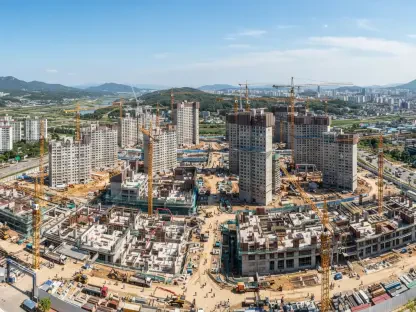

The rapid expansion of the Colorado Springs metropolitan area has pushed the local infrastructure to a critical tipping point where the traditional reliance on single-family suburban sprawl no longer meets the economic or social needs of a modern workforce. While the Pikes Peak region has historically benefited from its vast open spaces and lower cost of living compared to Denver, the current market dynamics show a stark disconnect between available housing stock and the financial realities facing young professionals, healthcare workers, and educators. This imbalance threatens the long-term economic stability of the city as high-talent individuals increasingly look toward more versatile urban environments that offer a wider variety of living arrangements. By failing to diversify the housing portfolio, the city risks stagnating into a fragmented collection of exclusive enclaves rather than evolving into a cohesive, vibrant tech and aerospace hub that can compete on a national level for innovation and human capital.
Structural Shifts in Residential Market Demands
The influx of cybersecurity firms and aerospace contractors has brought a surge of high-skilled labor to the region, yet these new residents often find a market saturated with large, expensive detached homes that do not align with their lifestyle preferences or household sizes. This demographic shift necessitates a move toward “missing middle” housing, which includes duplexes, townhomes, and courtyard apartments that provide a bridge between high-density towers and low-density suburbs. Such developments offer the density required to support local retail and public transportation while maintaining the aesthetic character that many residents cherish. Without these options, the city forces its essential workforce into grueling commutes from outlying counties, which increases traffic congestion on the I-25 corridor and degrades the overall quality of life. Integrating these diverse units into existing neighborhoods allows for more efficient land use and creates a more resilient tax base that can better withstand economic fluctuations.
Advanced data modeling for urban growth indicates that mixed-use developments, which combine residential units with commercial spaces, significantly outperform traditional zoning models in terms of municipal revenue per acre. These walkable environments are particularly attractive to the burgeoning tech sector in Colorado Springs, where the culture of innovation thrives on spontaneous interaction and proximity to amenities. By prioritizing higher-density infill projects, the city can preserve its surrounding natural beauty and open spaces, which are primary drivers of tourism and resident satisfaction. Furthermore, the diversification of housing types facilitates a multi-generational living approach, ensuring that retirees can downsize within their own communities while younger residents find entry-level ownership opportunities. This holistic strategy reduces the burden on aging infrastructure and allows for the implementation of smart-city technologies, such as integrated energy grids and optimized water management systems, which are more cost-effective when deployed in densely populated urban nodes.
Policy Frameworks for Sustainable Growth
To effectively address these challenges, the municipal government must continue to streamline the permitting process for Accessory Dwelling Units and remove restrictive zoning barriers that limit high-occupancy residential projects. Current regulatory frameworks often prioritize antiquated parking minimums and setback requirements that artificially inflate construction costs and discourage creative architectural solutions. By adopting more flexible land-use policies, Colorado Springs can incentivize developers to include affordable and workforce housing components within luxury projects through density bonuses and expedited review timelines. This approach encourages a healthier mix of income levels throughout the city, preventing the geographic isolation of lower-income families and promoting social mobility. Moreover, leveraging public-private partnerships can unlock underutilized state-owned land for the development of sustainable, transit-linked residential clusters. These initiatives ensure that the physical growth of the city remains aligned with the strategic goals of the regional economic development corporation.
The transition toward a more varied housing landscape required a fundamental shift in how local leaders and residents perceived the relationship between density and community value. It became clear that the long-term health of the region depended on the successful integration of diverse residential structures that supported a wide range of socio-economic backgrounds. Stakeholders identified that investing in high-quality design standards and public transit connectivity mitigated the concerns of existing homeowners while fostering a more inclusive urban environment. Moving forward, the city established a precedent for adaptive reuse projects, transforming vacant commercial sites into vibrant residential hubs that revitalized the downtown core. These efforts secured a future where Colorado Springs remained a top-tier destination for both industry and families by ensuring that housing was no longer a barrier to entry but a foundation for prosperity. The implementation of these strategic reforms ultimately provided a blueprint for other mountain-west cities facing similar expansion pressures.