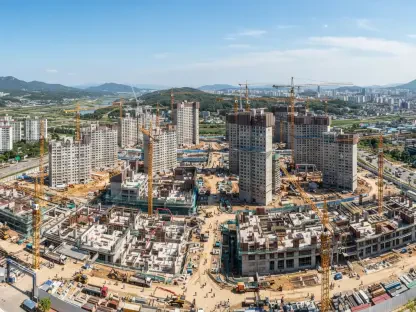

The architectural landscape is currently undergoing a silent but profound transformation as builders move away from traditional solvent-based materials in favor of high-performance sustainable alternatives. This shift is primarily driven by the increasing demand for water-borne polymers that reduce environmental impact without sacrificing durability or aesthetic quality in modern structures. Acrylic emulsions have emerged as the central pillar of this evolution, serving as versatile binders for everything from decorative paints to high-strength adhesives and sealants. These substances are composed of acrylic polymer particles suspended in water, offering a low-emission profile that aligns with current global air quality standards and green building certifications. As regulatory bodies tighten restrictions on volatile organic compounds, the transition toward these eco-friendly solutions has moved from being a niche preference to an industry mandate for major residential and commercial projects. Beyond their environmental benefits, these emulsions provide superior UV resistance and color retention, making them ideal for exterior coatings that must withstand harsh weather conditions.
Market Trends: Economic Growth and Regional Expansion
Financial forecasts indicate a significant upward trajectory for the acrylic emulsion sector, reflecting a broader global commitment to sustainable infrastructure development. The market, which is valued at approximately 13.20 billion dollars in 2026, is projected to grow to nearly 27.80 billion dollars by 2035, maintaining a steady compound annual growth rate of 7.70 percent. This robust expansion is not merely a result of inflationary pressures but stems from the massive scale of urbanization occurring in rapidly developing regions. As cities expand and new residential hubs are constructed, the requirement for high-quality interior and exterior finishes becomes paramount. This volume-driven demand is further bolstered by a qualitative shift where developers increasingly seek materials that contribute to LEED points and other green building ratings. The financial viability of acrylic technologies is becoming more apparent as economies of scale reduce the cost gap compared to older solvent-based options.
The global adoption of sustainable construction materials exhibits distinct regional variations, with North America currently maintaining a lead in market dominance due to its established infrastructure. This position is largely attributed to a sophisticated coatings sector and some of the most rigorous air quality regulations found anywhere in the world today. However, the Asia-Pacific region is recognized as the fastest-growing market, driven by the sheer scale of ongoing industrialization and large-scale infrastructure initiatives in nations like China and India. These countries are investing heavily in new housing and commercial complexes, creating an unprecedented demand for reliable and low-emission building materials. Meanwhile, Europe remains a stable and influential player, with its market dictated by rigorous environmental legislation and a deeply ingrained culture of sustainable building practices. This regional diversity ensures that the demand for acrylic emulsions remains high even if specific local economies experience periods of fluctuation.
Technical Advancements: Innovation and Sustainability Standards
Leading chemical organizations are currently spearheading a wave of innovation aimed at minimizing the ecological footprint of the polymer manufacturing process across the globe. Companies like BASF have introduced bio-attributed product lines that replace fossil-based raw materials with biological sources right at the start of the production chain. This mass-balance approach allows for a significant reduction in carbon emissions while maintaining the exact same chemical properties as traditional petroleum-derived emulsions. Other major players, including Dow and Arkema, are focusing on high-performance waterborne systems designed to offer maximum moisture protection and extreme durability for industrial use. By refining the molecular structure of these binders, scientists have succeeded in creating coatings that dry faster and adhere better to a variety of substrates. These advancements are critical because they demonstrate that choosing an environmentally friendly option no longer requires a compromise on technical performance or the lifespan of the finish.
The expansion of acrylic emulsion technology is moving far beyond simple architectural paints into highly specialized industrial and commercial fields that require extreme resilience. Modern polymer chemistry has enabled the development of formulations with enhanced elasticity and chemical resistance, making them suitable for aggressive industrial environments and specialized manufacturing. These materials are now frequently utilized in paper coatings, textile finishes, and even high-performance adhesives for the automotive and aerospace sectors. The ability to modify the glass transition temperature of the polymer allows manufacturers to create products that remain flexible in cold weather or provide hard, scratch-resistant surfaces in high-use areas. As these specialty chemicals become more refined, they offer a viable path for industries that were previously reliant on hazardous chemical solvents. This technological evolution provides a stable foundation for a global market that is increasingly sensitive to the health implications of traditional chemicals.
Strategic Implementation: Navigating the Sustainable Transition
The industry reached a critical consensus that the transition toward water-borne acrylic emulsions was both a technical necessity and a moral obligation for modern builders. Stakeholders throughout the construction supply chain recognized that the era of solvent-heavy materials had effectively ended, giving way to a more sophisticated chemical paradigm. Manufacturers who prioritized the integration of bio-based monomers and low-energy production methods found themselves better positioned to meet the demands of a sustainability-focused market. It became clear that the successful implementation of these technologies required a multi-faceted approach, combining investment in research with a thorough understanding of regional regulatory landscapes. To maximize the benefits of this shift, professionals were encouraged to adopt rigorous testing protocols to ensure that new formulations met specific environmental stressors. By focusing on the intersection of performance and planetary health, the sector established a blueprint for excellence.
Industry veterans concluded that the path forward required a proactive engagement with emerging chemical standards rather than a reactive compliance to legislative changes. It was observed that companies which invested in training their labor force to handle high-solids acrylic systems achieved better finish quality and fewer instances of product failure. The data confirmed that selecting binders based on their life-cycle impact rather than initial purchase price led to significant long-term savings for property managers. Furthermore, architectural firms that integrated low-VOC emulsions into their primary design specifications were able to capture a larger share of the burgeoning green building market. These practitioners prioritized transparency in material sourcing and actively collaborated with chemical suppliers to customize emulsions for specific climate needs. By adopting these forward-thinking strategies, the construction community successfully bridged the gap between industrial performance and environmental preservation.