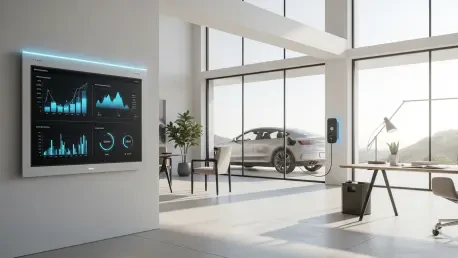

Domestic living spaces have recently crossed a critical threshold where they no longer simply provide shelter but function as complex micro-grids that must balance intermittent renewable generation with skyrocketing electrical demands. This fundamental transformation is turning the modern home into a self-aware ecosystem that operates with a level of coordination previously reserved for industrial facilities. As residential structures incorporate high-powered electric vehicle chargers and sophisticated home office setups, the traditional model of passive consumption has become obsolete. These environments must now orchestrate intricate energy flows between the national grid, local storage systems, and an array of smart appliances to ensure reliability and cost-effectiveness. True domestic intelligence is no longer measured by the mere presence of individual gadgets but by the ability of a unified system to make autonomous decisions. By integrating these tools into a connected framework, a home gains the ability to react dynamically to resident needs, optimizing comfort and efficiency in real time.
Managing the High-Demand Domestic Energy Hub
Modern homes have emerged as high-demand energy centers, burdened by the immense power requirements of persistent remote work configurations, high-performance edge computing, and the electrification of personal transportation. This massive surge in localized consumption necessitates a far more strategic approach to energy management than the manual adjustments of the past. As domestic spaces assume the dual roles of energy consumer and local producer, the implementation of a centralized oversight system has become vital for maintaining a functional and financially viable household. The complexity of managing these loads is further compounded by the variability of household activities, where peak usage often coincides with periods of high strain on the external grid. Without a sophisticated management layer, the risk of exceeding circuit capacities or incurring exorbitant peak-hour utility charges increases significantly. Consequently, the transition toward an intelligent hub is a practical necessity for modern life.
To mitigate rising utility expenses and minimize their ecological footprint, a vast number of homeowners are actively deploying solar photovoltaic systems and high-capacity battery storage. However, because these renewable sources are fundamentally intermittent, the smart home must establish a state of dynamic equilibrium between self-generated power and the national utility grid. Achieving this delicate balance requires a unified control system that maintains total visibility over every connected device, from heavy-duty heat pumps to discrete lighting circuits. This visibility allows the hub to prioritize energy distribution based on real-time factors such as current solar output, battery state of charge, and fluctuating market prices for electricity. By intelligently shifting the operation of non-essential loads to periods of high production, the home maximizes its energy independence. This proactive management ensures that the household remains resilient during grid outages while contributing to a more stable and sustainable broader energy infrastructure.
Standards and Protocols: The Path to Interoperability
A significant technical obstacle in the historical evolution of the smart home was the persistent lack of compatibility between hardware components produced by different manufacturers. The industry is currently overcoming this fragmentation through the adoption of universal standards like the Matter protocol, which is built upon the robust foundation of standard Internet Protocol. Matter provides a common linguistic framework for the Internet of Things, ensuring that devices from disparate brands can communicate securely and reliably without requiring proprietary hardware bridges or complex workarounds. This shift toward a unified communication layer is essential for creating the seamless experience required for an intelligent energy hub. When a smart plug, a thermostat, and a solar inverter all speak the same language, the system can execute complex automation routines with much higher reliability. This move away from walled gardens allows for the creation of a truly modular home environment where components can be upgraded or replaced without compromising the system.
Alongside the rapid rise of newer protocols, the established KNX standard remains a critical cornerstone of residential and building automation, offering a highly stable framework for controlling essential systems. These established standards act as the foundational rules of engagement for the modern home, facilitating a market transition away from closed, proprietary ecosystems that previously restricted consumer choice. By fostering an open and collaborative technical environment, these protocols empower homeowners to select the best-performing hardware from a variety of vendors to construct a customized energy management hub. This interoperability is particularly crucial for large-scale energy systems, where the integration of a battery storage unit from one brand and an electric vehicle charger from another must be flawless to prevent system failures. The maturation of these standards has created a predictable landscape for developers and manufacturers alike, accelerating the pace of innovation and ensuring long-term flexibility.
Hardware Innovation: The Semiconductor Foundation
An integrated home environment enables highly practical automation scenarios that significantly reduce energy waste, such as a comprehensive sleep mode that triggers automatically when the residence is unoccupied. In this state, the management hub intelligently redirects power away from non-essential appliances and standby electronics toward critical security functions and essential climate maintenance. Simultaneously, the system can schedule energy-intensive tasks, such as charging a robotic lawnmower or running a dishwashing cycle, to occur specifically during windows of peak solar production or lowest grid tariffs. This level of automated foresight ensures that the home consistently operates at its peak thermodynamic and electrical efficiency without requiring constant manual input from the residents. By preparing the interior environment just before the inhabitants return, the system maintains high comfort levels while minimizing the total carbon footprint. This transition from reactive to predictive operation represents the pinnacle of modern domestic engineering.
The physical foundation of this localized intelligence resides in advanced semiconductor technology, which functions as both the brain and the sensory network of the modern smart home. Specialized low-power microcontrollers and high-speed connectivity chips allow individual devices to process data locally and communicate wirelessly with the central management hub. Meanwhile, sophisticated sensor arrays and microelectromechanical systems provide the necessary environmental awareness, constantly monitoring variables such as room occupancy, ambient light levels, and indoor air quality. This real-time data stream allows the home to make informed, autonomous decisions that go far beyond simple programmed schedules. The integration of artificial intelligence at the edge further enhances this capability, allowing the system to learn the unique habits and preferences of the household over time. These hardware innovations ensure that the intelligence is distributed throughout the structure, preventing a single point of failure and ensuring that the home remains responsive.
As domestic environments became more deeply connected, the challenges of power management and digital security became central to the architectural design of modern energy systems. The industry successfully adopted Silicon Carbide semiconductors to enhance the efficiency of power inverters, which dramatically reduced energy loss during the conversion between direct and alternating current. Secure microcontrollers were integrated into the network fabric to defend against evolving cyber threats, ensuring that the critical infrastructure of the home remained protected from external interference. These hardware advancements allowed the smart home to operate as a reliable and sustainable partner in the global effort to enhance energy efficiency. Moving forward, residents should prioritize hardware that adheres to open standards to ensure long-term system resilience. Investing in scalable energy storage remains a critical step for achieving true independence from market volatility. The evolution into an intelligent hub was a necessary response to a shifting energy landscape.