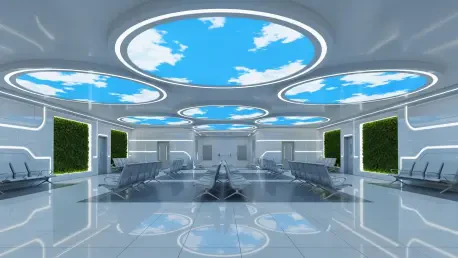

Modern urban architecture often forces residents into windowless cubicles or basement apartments where the lack of vitamin D and rhythmic light exposure disrupts biological clocks and mental health in profound ways. The Philips Smart Skylight represents a significant leap in architectural lighting technology, aiming to bridge the gap between artificial environments and the restorative properties of the outdoors. This system uses a sophisticated array of multi-colored LEDs and high-density diffusion panels to recreate the visual appearance of a clear sky and the warm, directional glow of the sun. Unlike traditional fixtures that merely illuminate a room, this device focuses on the emotional and physiological responses triggered by sunlight. By simulating the transition from a cool morning dawn to the golden hues of late afternoon, it offers a functional alternative for spaces previously devoid of natural atmosphere. The current state of LED technology makes the distinction between artificial radiance and a true rooftop aperture increasingly difficult to perceive during casual observation.
The Technical Foundations of Atmospheric Simulation
The mechanism behind the Philips Smart Skylight relies on advanced optical physics, specifically targeting the way light interacts with microscopic particles to create the illusion of depth in a flat panel. Engineers utilized high-performance LED chips capable of producing a wide gamut of color temperatures, ranging from a crisp 2000K to a staggering 10000K to simulate varying weather conditions and times of day. By employing specialized diffusers that mimic Rayleigh scattering—the same phenomenon responsible for the blue color of the Earth’s atmosphere—the panel successfully produces a deep, ethereal blue that seems to extend far beyond the ceiling surface. This design ensures that the light does not merely glow like a standard panel but instead projects a sense of spatial volume. The directional component of the light source is equally critical, as it provides the sharp shadows and warm highlights typically associated with direct solar rays hitting a surface. This combination of diffused ambient sky light and focused “sun” light creates a convincing three-dimensional experience.
Connectivity serves as the backbone of this system, allowing the hardware to synchronize with local astronomical data to ensure the indoor environment mirrors the actual progression of the sun outside. Through the integration of sophisticated sensors and Wi-Fi-enabled controllers, the skylight adjusts its intensity and hue automatically as the day progresses from dawn to dusk. This synchronization is vital for maintaining the human circadian rhythm, which governs everything from sleep patterns to metabolic function and cognitive performance. For users operating in high-stress office environments or medical facilities where natural windows are impractical, this technology provides a necessary link to the external world. The system also supports manual overrides and preset scenes, enabling a customized atmosphere for specific tasks or moods, such as a bright, energizing mid-morning setting or a soft, dim twilight for evening relaxation. By leveraging the existing Hue ecosystem, the device can interact with other smart fixtures to create a cohesive lighting narrative throughout an entire building.
Practical Application and Environmental Integration
While the visual fidelity of the Philips Smart Skylight is impressive, its efficacy in mimicking natural sunlight must be measured against the physiological benefits of genuine solar exposure. Natural sunlight provides a full spectrum of radiation, including ultraviolet and infrared components that artificial LEDs currently struggle to replicate safely and efficiently in a consumer-grade fixture. However, for the purposes of visual comfort and the regulation of melatonin production, the high color rendering index of these panels ensures that interior colors appear vibrant and accurate. Testing in the period from 2026 to 2028 showed that the psychological impact of seeing a “blue sky” overhead can significantly reduce feelings of confinement in subterranean or windowless rooms. The peak brightness levels achieved by these units are substantial enough to combat the midday slump, providing a stimulant effect similar to that of a bright day. Although it cannot fully replace the health benefits of direct outdoor time, it offers a more effective surrogate than traditional bulbs.
To achieve the best results with this technology, property owners and designers prioritized the placement of fixtures in areas where people spent the most sedentary time, such as home offices or kitchens. It was found that layering these smart skylights with reflective wall surfaces and light-colored furniture maximized the perceived brightness and enhanced the spatial illusion. For those looking to implement these solutions, the first step involved a detailed assessment of the existing electrical load and ceiling depth to accommodate the recessed hardware. Integrating the system with a central smart home hub allowed for automated routines that reduced the need for manual intervention, ensuring the light remained in sync with the biological needs of the residents. Future considerations suggested that combining these artificial apertures with indoor greenery could further enhance the biophilic connection to nature. By treating the skylight as a permanent architectural feature rather than a temporary lamp, homeowners successfully transformed dark, claustrophobic rooms into vibrant, health-conscious environments.