
Starting a residence automation project often feels like standing before a mountain of complex wiring and confusing technical jargon that discourages even the most enthusiastic homeowner. However, the modern market has evolved to a point where technical expertise is no longer a prerequisite for creating a responsive and intelligent living environment. Instead of viewing a smart home as a massive structural overhaul, it is much more effective to treat it as a collection of small, incremental improvements that solve specific daily inconveniences. By beginning with a few high-impact devices, anyone can transition from a traditional setup to a connected ecosystem without the stress of high upfront costs or the frustration of troubleshooting proprietary software. The real secret lies in prioritizing immediate utility over futuristic novelty, ensuring that every new gadget added to the network provides a tangible benefit that justifies its presence in the domestic routine. This deliberate method prevents the system from becoming a burden, allowing the technology to enhance lifestyle quality gradually.
Establishing a Command Center: The Role of Voice Integration
The foundation of any modern automated residence is the central hub, which serves as the primary interface through which all other components communicate and receive instructions. For most beginners, this role is best filled by a smart speaker or a voice-activated assistant like Amazon Alexa, Google Assistant, or Apple’s Siri. These devices act as the “brain” of the operation, translating spoken commands into digital actions and allowing users to bypass the need for endless smartphone applications. By centralizing control, the barrier to entry is lowered significantly, making technology accessible for every household member regardless of their technical proficiency. This initial step is crucial because it provides a unified platform that can grow alongside the user’s needs, preventing the common mistake of buying incompatible devices that cannot talk to one another. Selecting a hub that matches existing ecosystems is a strategic move that simplifies future expansion and reduces the cognitive load of management.
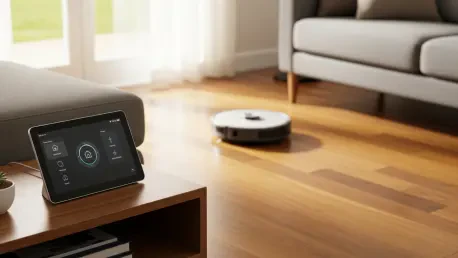
Moving beyond simple audio-based interaction, incorporating a smart display into the central command center offers a much richer and more intuitive user experience. These visual interfaces enhance the utility of voice commands by providing a screen to view security camera feeds, follow cooking tutorials, or manage a shared family calendar. Unlike a standard tablet, a dedicated smart display is designed to be an always-on information station that blends seamlessly into the home’s decor when not in use. It can cycle through personal photographs or display the current weather forecast, making the technology feel less like a cold piece of hardware and more like a functional part of the furniture. This visual element is particularly helpful for managing complex routines where seeing a list of active devices is more efficient than listening to a long voice summary. Having this visual anchor in a high-traffic area like the kitchen ensures the system stays useful and provides constant value to everyone who lives in the house.
Delegating Domestic Duties: Robotic Assistance and Media Tools
One of the most rewarding aspects of adopting smart technology is the ability to outsource repetitive and time-consuming household chores to specialized machines. A high-quality robot vacuum is perhaps the best example of a device that provides instant gratification by maintaining floor cleanliness with minimal human intervention. While these machines represent a more significant financial investment than a smart plug or bulb, the amount of personal time they reclaim is often cited as the highest value-add in a beginning setup. Modern units have evolved to include sophisticated mapping sensors and automatic emptying bases, which allow them to operate for weeks without requiring attention. Integrating these cleaners into the central hub enables the homeowner to initiate a cleaning cycle using a simple voice command while they are occupied with other tasks. This hands-free approach transforms a daily burden into a background process that happens automatically, allowing more time for relaxation and other pursuits.
Upgrading the home entertainment experience does not require replacing expensive television sets or sound systems when more efficient solutions are readily available. Streaming dongles and media sticks provide a cost-effective way to inject smart functionality into older hardware, offering access to various platforms via a fast and updated interface. These devices often outperform the built-in software found on many smart TVs, which can become sluggish as manufacturers stop providing regular updates. By using a dedicated streaming device, the user ensures their entertainment hub remains compatible with the latest codecs and services while maintaining a consistent experience across different rooms. Furthermore, these gadgets can be linked to the central voice hub, allowing for seamless content searching and playback control without ever needing to touch a remote. This approach preserves the longevity of larger hardware investments while keeping the software experience on the cutting edge of modern technology for the household.
Transforming the Atmosphere: Benefits of Intelligent Illumination
Smart lighting is frequently recommended as the ideal starting point for beginners due to its simplicity and the immediate impact it has on the home environment. Replacing standard incandescent or LED bulbs with smart versions is a straightforward “plug-and-play” process that does not involve complex electrical work or specialized tools. Once installed, these bulbs allow for granular control over brightness and color temperature directly from a smartphone or through voice commands. This flexibility enables residents to tailor the atmosphere of a room to specific activities, such as dimmed warm light for watching movies or bright cool light for focused work. Beyond the aesthetic appeal, smart lighting offers a level of convenience that traditional switches cannot match, as entire groups of lights can be controlled simultaneously. This makes it easy to ensure that all lights are off when the house is empty, contributing to a more streamlined and responsive domestic setting that responds quickly to any command.
The practical utility of intelligent lighting extends far beyond simple color changes, as it plays a significant role in enhancing home security and energy efficiency. By utilizing scheduling features, homeowners can program lights to activate at sunset or mimic occupancy patterns while they are away on vacation, providing a powerful deterrent against potential intruders. Additionally, motion sensors can be paired with smart bulbs to illuminate hallways or bathrooms automatically during the night, improving safety without the need to fumble for switches in the dark. From an environmental perspective, the ability to monitor and limit light usage through automation helps reduce unnecessary electricity consumption, which can lead to noticeable savings on monthly utility bills. This combination of security, safety, and efficiency makes lighting a cornerstone of any smart home strategy. It demonstrates how a relatively small change in hardware can result in a significant improvement in overall quality of life for all residents.
Strategies for Expansion: Ensuring Harmony and Scalability
As the collection of connected devices grows, it becomes essential to adopt a strategy that avoids the common pitfalls of technical clutter and system fragmentation. A successful smart home is built on the principle of scalability, where every new addition is chosen based on its ability to integrate with the existing ecosystem. Beginners should prioritize devices that support universal communication standards like Matter or Thread, which ensure that hardware from different manufacturers can work together without issues. This forward-thinking approach prevents the frustration of being locked into a single brand’s ecosystem, allowing for more freedom when selecting the best products for specific needs. Focusing on devices that solve real problems rather than those that simply offer a novel gimmick ensures that the system remains a helpful tool. By carefully vetting each purchase for compatibility and long-term support, the homeowner builds a resilient network that stands the test of time and adapts to new needs.
Achieving true system harmony requires looking beyond the individual functions of gadgets and focusing on how they can interact to create complex, automated routines. For example, a “leaving home” routine could simultaneously turn off all lights, lock the front door, and start the robot vacuum with a single command or a specific trigger like a smartphone’s location. This level of automation is where the true power of a smart home is realized, as it removes the need for manual input and allows the environment to respond dynamically to the inhabitants’ lives. It is important to introduce these complexities slowly, testing each routine to ensure it functions as expected before adding more layers. This deliberate pace helps prevent the system from becoming a source of stress and ensures that any troubleshooting remains manageable. A well-planned evolution leads to a home that feels truly intelligent, anticipating needs and providing solutions before a problem even arises for any of the users.
Future-Proofing the Home: Evolving Toward Responsive Environments
The journey toward a fully integrated and intelligent household proved that a methodical, step-by-step approach was the most effective way to achieve lasting success without technical fatigue. By focusing on foundational devices like central hubs and smart lighting, users established a reliable network that served as a springboard for more advanced automation in later stages. The emphasis remained on selecting hardware that offered tangible benefits, such as time savings from automated cleaning or improved security through scheduled illumination. This strategy ensured that the technology remained a background facilitator of comfort rather than a primary focus of maintenance or frustration. Looking ahead, the next logical steps involved exploring advanced energy monitoring systems and localized security sensors to further refine the home’s efficiency. By maintaining a focus on compatibility and utility, the transition into smart living transformed the residence into a truly responsive environment that adapted nicely to daily life.
Looking forward, the journey does not end with a few voice-controlled lights; it is a continuous process of refinement and adaptation. Homeowners who have successfully integrated these initial steps should consider exploring advanced sensors that detect water leaks or monitor air quality to further protect their investment. These devices provide an even higher level of peace of mind by acting as silent guardians that alert the user to potential issues before they become expensive disasters. It is also beneficial to periodically review the automated routines to ensure they still align with the household’s changing schedule and needs. Keeping software updated across all platforms is another critical task that maintains security and introduces new features as they become available in the market. By remaining curious and open to new developments, users can ensure their living space remains a cutting-edge example of convenience and efficiency. This ongoing engagement turns a house into a truly proactive partner in daily life.