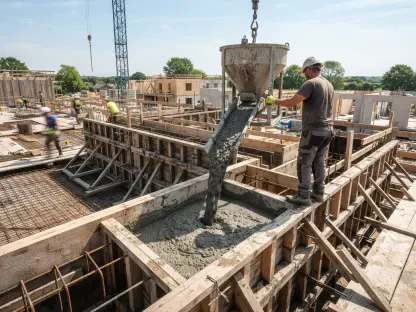

Recent rulings have effectively dismantled the long-standing 'orbit' theory which previously allowed owners to shift liability for injuries regardless of the actual source of the hazard. This tectonic shift in New York’s judicial approach to contractual indemnity marks a pivotal moment for the

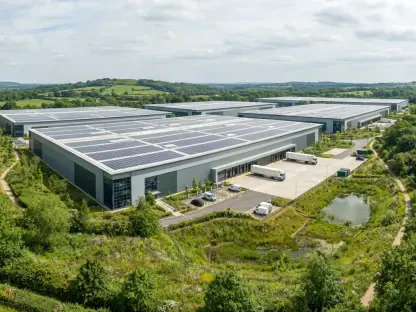
Banu Antonache's success in scoring 27 out of 33 points for energy efficiency proves that decade-old infrastructure can be fine-tuned to meet today’s strictest power standards. This specific accomplishment, achieved through the LEED v4.1 Operations and Maintenance (O+M) framework, challenges the
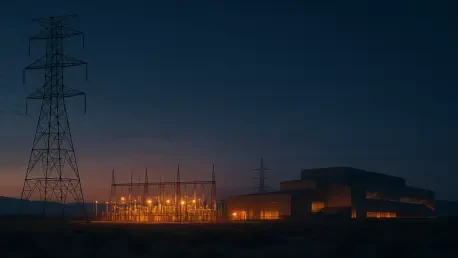
The long-term economic value of these facilities will eventually shift from physical construction to the frequent three-to-five-year cycles of high-value IT equipment refreshment. This reality defines the current Australian infrastructure landscape, which is undergoing a massive transformation as

Mineralization technology leverages the natural chemistry of the Earth to provide a definitive and verifiable method for long-term carbon sequestration. This scientific reality is currently being applied to solve one of the most persistent environmental challenges in modern manufacturing: the

Lenders allege that MG Developer neglected to pay 2025 property taxes and failed to maintain essential financial reserves required under their $105 million loan agreement. This legal challenge, initiated by Scale Lending—the specialized financing arm of a partnership between Slate Property Group
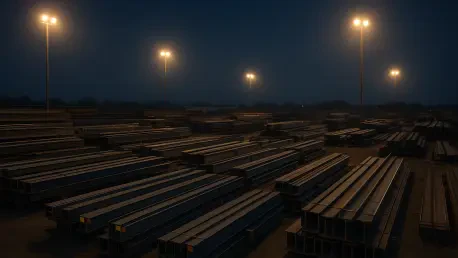
Contractors can significantly reduce field-level decision-making errors by utilizing digital tools to standardize material lists and create pre-sorted installation kits. The modern construction sector faces a challenging paradox where high demand for infrastructure meets a shrinking labor pool and