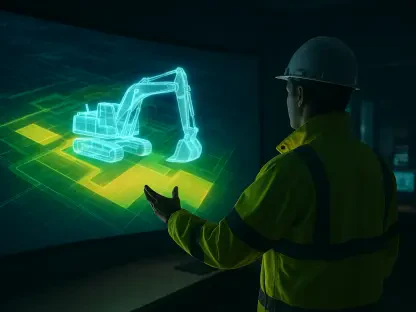

The shift from manual geometry construction to agentic design allows architects to focus on high-level decision-making while AI handles the labor-intensive task of generating 3D structures. Founded by a prominent team of veterans from the Autodesk AI Lab, Google DeepMind, and Tesla, the San

European construction firms like Besix and Comsa Corp are finding steady growth in rail modernization and urban congestion-reduction projects across the continent. This momentum reflects a broader trend where the global construction sector has hit a monumental financial milestone, seeing

Integrating cost estimation directly into the digital model allows project managers to track budgeting fluctuations in real time as design changes occur throughout the development cycle. In the current landscape of 2026, the real estate sector has moved far beyond simple three-dimensional

State and local agencies have gained a massive new resource for infrastructure support following the most significant merger in Oklahoma’s recent trade history. The official consolidation of Jackson Mechanical Service and Streets, LLC has culminated in the birth of Jackson Streets MEP Contractors,

Modernizing traditional building techniques by using engineered bamboo and treated timber can transform structures from carbon sources into effective carbon sinks. As Bangladesh navigates a period of unprecedented urban expansion, the environmental price of development has become impossible to

The traditional gap between a sophisticated architectural model and the messy reality of a dirt-filled construction site is rapidly closing as digital layout solutions redefine how structures are built from the ground up. Currently valued at approximately $2.8 billion in 2026, the global site