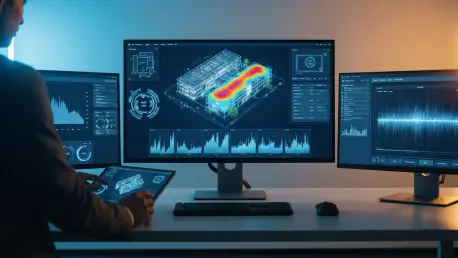
The speed at which artificial intelligence has permeated the facility management sector far exceeds any previous technological transition, leaving little room for those who view it as a mere software upgrade rather than a fundamental systemic revolution. Executives who treated early generative
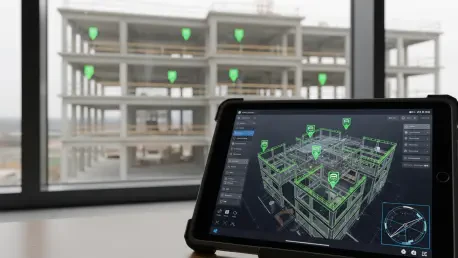
Construction firms across the United States are currently navigating a monumental shift where the historical reliance on disconnected spreadsheets and manual site reports has finally been replaced by comprehensive digital ecosystems. The sheer complexity of modern infrastructure projects
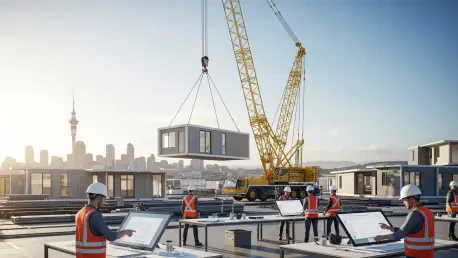
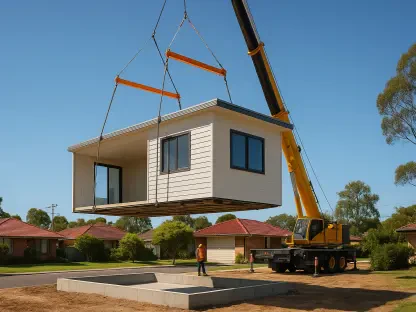
Auckland is currently grappling with a severe housing shortage that continues to outpace the rate of new residential developments, creating an urgent need for a radical shift in how the local construction industry operates. As the city expands, the traditional methods of building homes and

The construction industry has long grappled with the inherent friction that occurs when transitioning from complex design blueprints to the practical, physical installation of structural and mechanical components. Attentive.ai, a San Francisco-based technology firm, recently addressed this

The era where a construction firm could survive solely on the strength of its technical craftsmanship and project delivery has been replaced by a landscape defined by razor-thin margins and unpredictable global supply chains. Success no longer depends primarily on the ability to pour concrete or

In the high-pressure environment of contemporary urban development, the success of a multi-billion dollar project often hinges on the ability of disparate teams to synthesize vast amounts of technical data into a single, cohesive operational strategy. Visualization serves as much more than a