
Every square foot of amenity space in a build-to-rent development must be justified by its direct impact on leasing velocity and its ability to drive brand loyalty. This principle is fundamental as the Australian property sector moves through 2026, transitioning from a build-to-sell mindset toward a sophisticated long-term asset management approach. The current economic climate, characterized by high construction costs and compressed yields, has forced a comprehensive rethink of traditional residential development models. Instead of focusing on a quick project exit, developers are becoming long-term stewards who prioritize income stability and operational efficiency. This shift requires a “living” strategy where the building is treated as a dynamic service platform rather than a static product. By aligning the interests of investors, developers, and operators from the earliest conceptual stages, the industry can ensure that assets remain competitive and profitable over thirty or forty years of continuous operation.
Optimizing the Lifecycle and Economic Performance
Whole-of-Life Economics: Specification and Maintenance Part 1
The economic viability of these large-scale residential projects is increasingly dictated by whole-of-life costs rather than initial capital expenditure. In the 2026 to 2028 window, developers have realized that selecting the cheapest materials for facades or mechanical plants often leads to disastrous consequences for long-term yields. A lower-tier HVAC system might save money during the construction phase, but the subsequent energy inefficiencies and frequent repair cycles create a significant drag on the bottom line. Modern asset owners are utilizing sophisticated scenario analysis to model various maintenance regimes and energy price fluctuations, ensuring that their specifications remain robust under diverse operating conditions. By investing in higher-quality components today, they are effectively insulating the asset against the rising costs of labor and materials required for future repairs. This proactive approach to specification ensures that the net operating income remains protected from the volatility of unforeseen maintenance expenditures.
Whole-of-Life Economics: Specification and Maintenance Part 2
Environmental performance has evolved from an optional ethical consideration into a central commercial strategy that directly impacts institutional value. In 2026, the push for full electrification and the integration of renewable energy systems is no longer a niche trend but a standard requirement for attracting high-quality tenants and institutional capital. These sustainable initiatives serve a dual purpose: they significantly reduce resident utility bills, which improves tenant retention, and they mitigate the risks associated with future carbon taxes or regulatory changes. High-efficiency central plants and solar arrays are now viewed as essential infrastructure that enhances the building’s overall marketability. Furthermore, institutional investors are increasingly prioritizing assets with high ESG ratings to satisfy their own internal mandates and reporting requirements. By embedding sustainability into the building’s core design, developers are not only protecting the environment but also securing the asset’s relevance and liquidity in a green-conscious financial market.
Designing for Efficiency and Market Demand
Strategic Design: Amenities and Construction Part 1
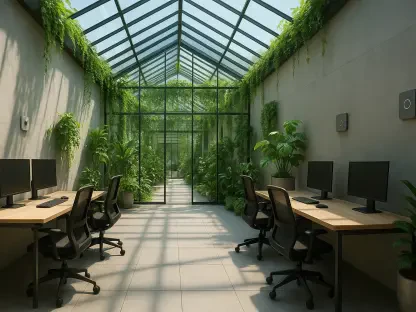
While expansive amenity packages have traditionally defined the build-to-rent experience, there is a growing trend toward right-sizing these spaces to prevent them from becoming financial burdens. In 2026, the most successful developers are those who use data-driven demographic modeling to curate a few high-utility spaces rather than offering a laundry list of underutilized rooms. Every square foot dedicated to a gym, lounge, or coworking area represents a loss of net lettable area; therefore, each space must be meticulously designed to maximize resident engagement and brand loyalty. Over-specifying common areas can lead to inflated insurance premiums and excessive staffing costs, which erode the project’s feasibility. By focusing on quality over quantity, operators can provide a premium experience that justifies higher rent premiums without saddling the owner with the ongoing expense of maintaining dead space. This disciplined approach to amenity design ensures that the physical environment remains a powerful tool for driving leasing velocity.
Strategic Design: Amenities and Construction Part 2
To address the persistent challenges of high labor costs, the Australian market is increasingly turning toward modular construction and the adaptive reuse of existing structures. Between 2026 and 2028, the use of prefabricated modules, such as standardized wet rooms and kitchen pods, has become a primary method for reducing procurement friction and accelerating delivery timelines. These repeatable design elements allow for greater quality control and significant time savings on-site, which is crucial for achieving project feasibility in a high-interest-rate environment. Simultaneously, the conversion of underperforming office buildings and hotels into residential rental assets has emerged as a viable alternative to new-build developments. However, these adaptive reuse projects require rigorous due diligence, including the use of advanced point cloud scanning and reality capture to assess existing structural and service capacities. When executed correctly, these strategies allow developers to bypass the complexities of greenfield construction and bring high-quality housing to market more efficiently.
Strengthening Operational Foundations Through Governance
Operational Excellence: Digital Governance and Procurement Part 1
Long-term operational success in the build-to-rent sector is fundamentally rooted in robust digital governance and the comprehensive application of Building Information Modeling. In 2026, BIM has transitioned from a design coordination tool to a critical operational asset that functions as a structured database for the building’s entire lifecycle. A well-governed digital model provides the operator with immediate access to warranties, maintenance schedules, and technical specifications for every installed plant and system. This data-rich environment enables the shift toward condition-based maintenance, where repairs are performed based on actual performance data rather than arbitrary calendar dates. However, the true value of these digital tools is only realized if information requirements are contractually mandated from the very beginning of the project. If the data is not captured accurately during the construction phase, the operator inherits a digital twin that is obsolete, thereby losing the ability to accurately predict and manage future operational performance.
Operational Excellence: Digital Governance and Procurement Part 2
The industry recognized that traditional procurement methods required a total overhaul to meet the unique demands of the rental sector. Stakeholders moved away from simply accepting the lowest tender in favor of strategies that prioritized cost certainty and seamless risk transfer. It became clear that the most effective path forward involved tailoring the procurement model to the specific complexity of each asset, whether through collaborative early contractor engagement or traditional lump sum contracts for mature designs. To ensure future success, developers implemented rigorous information management protocols that bridged the gap between construction and long-term operations. They focused on building deep partnerships with experienced operators who influenced the design process from the outset. This holistic approach ensured that every decision made during the development phase was filtered through the lens of long-term performance. Moving forward, the focus shifted to continuous asset optimization where data-driven insights were utilized to maintain high retention.