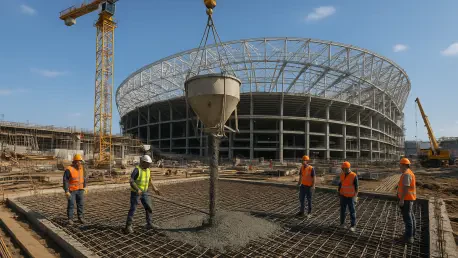

The Alassane Ouattara Stadium in Ivory Coast required 60,000 tons of high-performance cement specifically engineered to maintain structural integrity in extreme tropical humidity. This technical requirement highlights a broader trend where the construction of world-class athletic facilities is shifting from basic structural design to a sophisticated integration of environmental stewardship. As urban centers expand through 2028, Holcim is at the heart of this transformation, utilizing its advanced portfolio of brands to redefine the lifecycle of stadiums and arenas. Through innovative materials and circular construction methods, the company ensures that elite athletic performance and ecological responsibility coexist seamlessly in modern infrastructure projects. By leveraging low-carbon engineering and resource efficiency, the goal is to minimize the carbon footprint of massive sports complexes while maximizing their long-term value. This approach focuses on creating “living” infrastructure that supports both professional athletes and local residents, ensuring these venues remain functional and resilient for decades.
Reducing Carbon Through Material Science: Engineering the Modern Arena
One of the primary ways the construction industry is decarbonizing the sports sector is through the implementation of ECOPact low-carbon concrete in massive structural foundations. This material is designed to reduce embodied carbon by a significant margin compared to standard mixes, which is essential for projects with high-volume concrete requirements. By substituting traditional cement with more sustainable alternatives, developers are able to mitigate the emissions typically associated with large-scale urban developments. This shift is not merely about meeting environmental regulations; it is about establishing a new baseline for high-performance building. The use of such specialized materials ensures that the foundation of a stadium is as durable as it is environmentally responsible, providing a stable base for architectural innovations. As more cities prioritize carbon neutrality in their development plans, the adoption of low-carbon concrete is becoming a standard practice for iconic sporting landmarks, ensuring that growth does not come at the expense of the climate.
Low-Carbon Concrete: Implementing Solutions in Milan
At the Arena Santa Giulia in Milan, which was designed to host major winter sports events, thousands of cubic meters of specialized low-carbon concrete were utilized to reduce the project’s overall carbon footprint. This specific implementation allowed the construction team to meet stringent sustainability targets without compromising the structural integrity or safety of the venue. The use of ECOPact in this context demonstrates that large-scale infrastructure can be built with a significantly lower impact on the environment when material science is prioritized during the planning phase. By focusing on the carbon intensity of the most volume-heavy components, the project successfully avoided thousands of tons of potential emissions. This technical achievement highlights the scalability of low-carbon solutions in high-pressure construction environments where deadlines and performance are paramount. Furthermore, the success in Milan serves as a model for other metropolitan areas seeking to host international events while adhering to modern green building standards and community expectations.
Precast Units: Accelerating Construction with Efficiency
This commitment to low-carbon solutions is also evident in long-term legacy projects like the London Stadium, where high cement substitution rates prevented tens of thousands of tons of carbon emissions. The use of specialized precast units for venue seating further highlights how high-speed construction can meet rigorous environmental standards while serving a growing metropolitan population. These precast elements were engineered to reduce material waste and accelerate assembly times on-site, which is a critical factor for venues that must transition between different sporting seasons. By focusing on these technical interventions, developers have shown that green foundations are no longer an optional feature but a baseline for modern stadiums seeking to balance rapid development with climate goals. The integration of high-performance materials ensures that the stadium remains a viable asset for decades, proving that sustainability and durability are two sides of the same coin. This modular approach to stadium components also allows for easier repairs and future upgrades.
Circularity and Resource Management: Transforming Waste into Assets
Holcim is pioneering the circular economy in sports by ensuring that materials are recycled and repurposed rather than discarded at the end of a project’s lifecycle. Using ECOCycle technology, construction debris from stadium renovations is often integrated into local road networks or repurposed for environmental restoration projects nearby. This strategy ensures that every ton of material moved during a construction phase serves a secondary purpose, effectively turning industrial waste into a valuable resource for urban development. A notable example occurred during recent operations at major venues where specialized aggregates used for temporary playing surfaces were 100% recycled into local asphalt plants. This closed-loop system prevented thousands of tons of material from entering landfills and provided a source of high-quality aggregate for community infrastructure projects. Such initiatives demonstrate that large events can leave a positive physical legacy by contributing to the local circular economy and reducing the demand for virgin raw materials.
Resource Recovery: Repurposing Materials for Local Infrastructure
A notable example of circularity occurred during events at the London Stadium, where specialized aggregates used for temporary playing surfaces were 100% recycled into local asphalt plants. This process ensured that the materials used for a single competition could be repurposed to improve the surrounding city’s road infrastructure. Furthermore, soil and organic matter moved during site preparation were redirected to create new wetland habitats at nature reserves, demonstrating a commitment to biodiversity. This holistic approach to resource management shows that even the earth and stone moved for a stadium can have a profound ecological impact elsewhere. By planning for the second life of materials before an event even begins, the industry is moving away from the “take-make-waste” model toward a more sustainable and regenerative future. This practice not only reduces the environmental footprint of large-scale infrastructure but also strengthens the bond between professional sports organizations and the local communities in which they operate.
Physical Legacies: Donating Materials to Grassroots Organizations
The concept of circularity also extends to temporary sports events, where the high-quality materials used for elite play are donated to grassroots organizations to foster community growth. In Stuttgart, hundreds of tons of specialized quartz sand used for a professional beach volleyball tour were later gifted to local sports clubs, ensuring the event left a tangible physical legacy long after the crowds dispersed. This approach transforms what would typically be considered event waste into a valuable community asset that supports youth development and local athletics. By providing professional-grade surfaces to smaller clubs, the industry helps bridge the gap between elite performance and amateur play. This strategy not only reduces disposal costs and environmental impact but also provides a social benefit that outlasts the duration of the tournament itself. It proves that circularity is both an ecological and a social necessity in the modern era of sports management, creating a positive cycle of reuse that benefits everyone involved.
Resilience and Technical Performance: Weathering Diverse Climates
Sports infrastructure must be engineered to withstand diverse environmental pressures, ranging from tropical heat to the internal thermal demands of specialized ice rinks. In the Ivory Coast, bespoke high-performance cement mixes were developed to ensure the structural integrity of the Alassane Ouattara Stadium against intense humidity and moisture. These specialized solutions provide the necessary workability for complex architectural designs while maintaining a significantly lower carbon footprint than traditional Portland cement. The focus on durability ensures that the stadium remains a landmark for the region without requiring frequent and carbon-intensive repairs over its service life. By addressing the specific climatic challenges of West Africa, the project demonstrated how material science can be tailored to local environments to ensure longevity. This level of customization is becoming increasingly important as sports infrastructure is built in diverse geographic locations, requiring solutions that are as resilient as they are sustainable and ecologically responsible.
Thermal Control: Optimizing Energy Use in Cold Environments
In colder environments or specialized indoor facilities, the focus shifts to energy efficiency and thermal control through the installation of advanced roofing and coating systems. At the Valigloo Ice Rink in France, the implementation of thermoplastic membranes provided a waterproof seal that maintains internal temperatures, which is critical for both ice quality and operational cost reduction. These membranes reflect solar radiation and provide superior insulation, reducing the energy load required to keep the rink at optimal temperatures throughout the year. Similarly, on the professional tennis circuit, specialized sand solutions with UV-stable coatings are used to ensure that court surfaces remain playable and vibrant under intense sun exposure. These technical coatings prevent surface degradation and maintain consistent ball bounce, which is vital for professional play and athlete safety. By applying these high-tech solutions to diverse facility types, engineers are ensuring that sports infrastructure can withstand the rigors of any climate while maintaining peak performance standards.
Urban Integration: Building Resilient Sports Districts
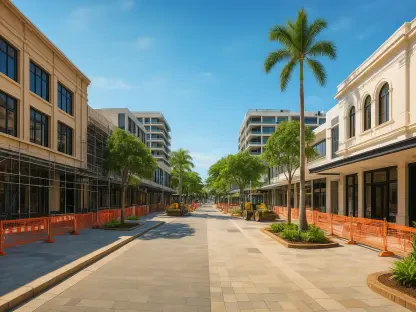
Beyond individual stadiums, modern projects often serve as anchors for broader green districts and comprehensive urban renewal initiatives. In Milan, the construction of sports infrastructure has been strategically paired with the development of office towers that achieve top-tier sustainability certifications like LEED and BREEAM. This trend shows that sports facilities are no longer isolated structures but are increasingly integrated into the fabric of sustainable urban living and professional environments. Strategic alliances with professional sports clubs, such as the partnership with Club Atlético Talleres in Argentina, further exemplify this vision of a fully integrated “Sports City.” By providing a full suite of solutions—ranging from adhesives and paints to prestressed concrete—the company acts as a long-term partner in developing world-class training environments. This holistic approach ensures that the infrastructure supports the athletic growth of the club while contributing to the overall resilience and aesthetic value of the surrounding community.
Establishing New Standards: The Future of Infrastructure Policy
The evolution of sports infrastructure through 2028 established a new paradigm where environmental performance became as vital as the final score on the field. The industry successfully moved beyond the era of massive, resource-heavy builds toward a philosophy of circularity and decarbonization that prioritized long-term community value. It was determined that the most effective path forward involved the early integration of material scientists into the architectural design process, ensuring that every foundation and roof membrane contributed to a net-zero goal. Developers recognized that the legacy of a stadium was not just defined by the trophies won within its walls but by the carbon it saved and the resources it returned to the local economy. Moving forward, the focus must remain on scaling these specialized solutions for smaller municipal projects and grassroots facilities to ensure equitable access to sustainable play. This shift in construction methodology proved that modern engineering could indeed protect the environment while fostering the spirit of competition across the globe.