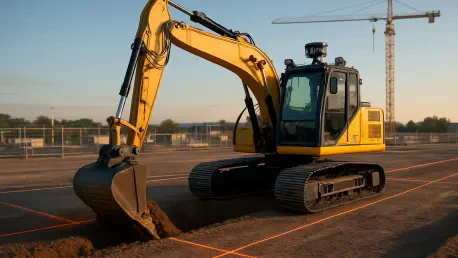
A single person requires five or more years of intensive training to master an excavator, creating a bottleneck that autonomous systems aim to eliminate. As the infrastructure demands of 2026 continue to surge across the United States, the construction industry faces a critical deficit of skilled

Commercial facility operators currently face significant financial strain as electricity prices rose by 5.2% during the early months of 2026. This sudden spike has forced a radical rethink of how commercial spaces are managed, pushing building owners beyond the low-hanging fruit of simple bulb

The philosophical shift of the GIFT framework treats model failures as training opportunities, allowing the system to continuously improve through automated error correction. Currently, engineering stands at a crossroads where the visual flair of generative models often clashes with the
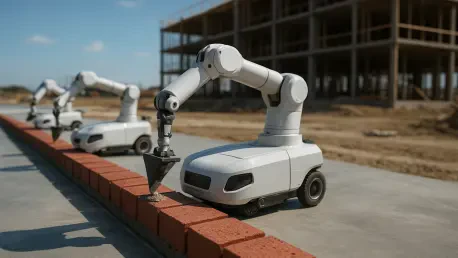
Monumental’s unique 'Robotics-as-a-Service' model effectively eliminates the financial and technical risks for builders who are often hesitant to adopt unproven technologies. The construction industry has long struggled with a widening gap between the demand for new infrastructure and the

Shelly Group's focus on local control means that even if the internet connection fails, the camera can still trigger essential smart home routines via the local network. This pivotal design philosophy was front and center during the official unveiling of the Shelly Camera at IFA 2026, where the
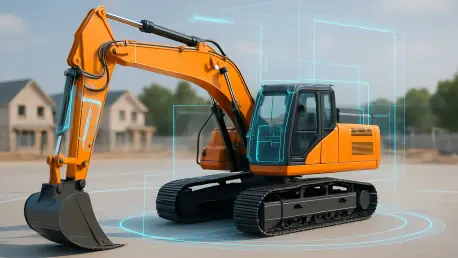
The implementation of a fully electro-hydraulic control system in the new -9 Series provides contractors with an 8 percent improvement in fuel efficiency over previous models. This advancement arrives at a critical juncture for the construction industry, where the demand for lower operating costs