
The convergence of pervasive artificial intelligence and advanced automation has transformed the modern residence from a static shelter into a dynamic, responsive ecosystem that anticipates the needs of its occupants. As the global economy navigates the complexities of 2026, the transition from fragmented novelty gadgets to deeply integrated digital frameworks is driving a massive wave of residential value. What was once a collection of isolated smart plugs and basic voice assistants has matured into a cohesive infrastructure where every climate control sensor, security camera, and lighting system operates in a unified dialogue. This shift is not merely a matter of convenience but a fundamental reengineering of the domestic environment to optimize resource consumption, enhance personal security, and provide proactive health monitoring. The industry is currently experiencing a significant influx of institutional capital as investors recognize the long-term potential of scalable, subscription-based services and data-driven insights. This financial momentum is expected to propel the global market valuation to $200 billion by 2033, reflecting a robust compound annual growth rate of 8.5%. This growth trajectory highlights the increasing reliance on sophisticated digital layers to manage the intricacies of modern daily life, ensuring the home remains at the core of the global technology landscape.
Driving Forces of the Smart Home Revolution
The proliferation of high-speed connectivity and the expansion of the Internet of Things represent the primary catalysts for the current market expansion. As of 2026, the deployment of 5G-Advanced networks has provided the low-latency backbone required for thousands of devices to communicate simultaneously within a single neighborhood. This infrastructure ensures that complex automated sequences, such as real-time energy shifting or emergency response protocols, function with absolute reliability. Over a third of the industry’s revenue growth is now directly tied to the seamless interaction of these connected devices, which have moved beyond simple remote control to autonomous operation. The reliability of these networks has built the necessary consumer trust for users to hand over critical functions, like home security and fire prevention, to automated systems. This technological stability has turned the smart home from an experimental project into a dependable utility that functions as quietly and effectively as electricity or plumbing.
Economic accessibility has undergone a significant transformation, moving the smart home from a luxury niche into the mainstream urban consciousness. The cost of essential hardware, including high-definition sensors and localized processors, has plummeted due to improved manufacturing efficiencies and economies of scale. This democratization of technology has allowed middle-income households to adopt sophisticated management systems that were once reserved for high-end custom builds. In the current urban environment of 2026, developers are increasingly including smart home packages as standard features in new residential projects to meet the demands of a tech-savvy workforce. The value proposition has shifted from mere gadgetry to tangible ROI through reduced utility bills and increased property valuation. As residents prioritize efficiency and security in densely populated areas, the demand for affordable, out-of-the-box smart solutions continues to accelerate across diverse demographics.
Governmental mandates and the global drive toward decarbonization have made intelligent energy management a non-negotiable component of modern housing. National policies focused on reducing carbon footprints are incentivizing homeowners to install smart thermostats, automated window treatments, and solar integration systems. These tools allow for dynamic load balancing, where the home automatically reduces energy consumption during peak grid demand, often earning the resident credits from utility providers. This shift toward “green” automation is a major revenue driver, as consumers seek ways to mitigate the rising costs of energy through technology. The alignment of environmental sustainability with personal financial savings has created a powerful incentive for the adoption of comprehensive energy monitoring dashboards. In many regions, digital energy infrastructure is now viewed as a critical part of the broader strategy to achieve national climate goals, further solidifying the smart home’s role in the future of urban planning.
Technological Megatrends Shaping the Next Decade
The industry is currently moving away from basic, rule-based automation toward sophisticated contextual intelligence powered by edge-based machine learning. Instead of requiring manual input or predefined schedules, modern systems analyze vast amounts of behavioral data to predict the needs of the residents before they are expressed. For instance, a home in 2026 can adjust ambient lighting and temperature based on the specific health metrics and stress levels of the occupant, detected through non-invasive sensors. This evolution toward predictive living represents the next frontier of revenue, as companies move from selling hardware to providing “living-as-a-service” models. These systems create a deeply personalized environment that adapts to the lifecycle of the family, providing different levels of support as residents age or as household dynamics change. The focus is no longer on what the device can do, but on how the entire ecosystem understands the human context of the space it inhabits.
One of the most significant historical barriers to adoption—interoperability—has been largely addressed through the widespread implementation of the Matter protocol. By standardizing the communication layer across different brands, this framework has effectively dismantled the “walled gardens” that previously forced consumers to stick with a single manufacturer. In 2026, a consumer can purchase a high-end security system from one company and expect it to work flawlessly with smart appliances and lighting from another. This openness has sparked a new wave of innovation, as smaller startups can now compete on the quality of their hardware without worrying about ecosystem lock-in. The resulting competitive environment has led to a surge in specialized devices that offer unique features while maintaining universal compatibility. This shift has significantly lowered the mental barrier for new users, who no longer fear that their investments will become obsolete or incompatible with future purchases.
To combat increasing concerns over data privacy and latency, the industry has seen a massive shift toward edge computing. Rather than sending every piece of domestic data to a centralized cloud server, modern smart homes process the majority of sensitive information locally within the residence. This localized processing ensures that facial recognition for security cameras or voice commands for personal assistants are handled with near-instantaneous response times and enhanced security. By keeping data within the physical walls of the home, manufacturers are addressing the growing consumer demand for digital sovereignty and protection against remote hacking. This architectural shift also makes the smart home more resilient to internet outages, as the core logic of the house remains functional even without an external connection. This move toward decentralized intelligence is a critical step in making the smart home a secure and reliable sanctuary in an increasingly connected world.
Diversification of Consumer Applications
The integration of health and wellness technology into the residential environment has emerged as a high-growth sector, particularly as populations in developed nations age. Modern homes are being equipped with “ambient sensing” technologies that can monitor gait, detect falls, and even track respiratory patterns without the need for wearable devices. These systems provide a safety net for the elderly, allowing them to maintain independence in their own homes for much longer than was previously possible. In 2026, smart medicine dispensers and air quality purification systems are becoming standard in many households, linking directly to telehealth providers for real-time health management. This transformation of the home into a healthcare hub is creating new partnerships between technology firms and medical institutions, expanding the market’s reach into the insurance and eldercare industries. The value of the smart home is thus expanding from comfort and security to include the fundamental preservation of human health.
Security and surveillance continue to dominate the market as the most consistent and profitable application for smart home technology. AI-enabled cameras now possess the ability to distinguish between residents, delivery personnel, and potential intruders, significantly reducing the frequency of false alarms. Biometric access control, including palm vein scanning and facial recognition, is rapidly replacing traditional keys in high-end and middle-market residential developments. Consumers in 2026 are increasingly viewing these systems as essential investments in the safety of their families and the protection of their property. The rise of remote monitoring services, where professional security firms can verify alerts through live video feeds, has created a steady stream of recurring revenue for platform providers. This sense of peace of mind is a powerful motivator, driving high adoption rates in urban and suburban areas where security is a top-of-mind concern for homeowners and renters alike.
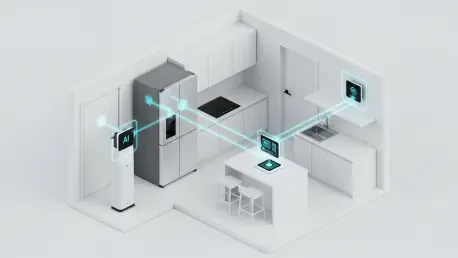
Smart appliances and comprehensive energy dashboards are redefining the modern kitchen and utility room by emphasizing efficiency and waste reduction. Refrigerators equipped with internal vision systems now track inventory and suggest recipes based on expiring items, while washing machines optimize water and detergent usage based on the weight and fabric type of each load. These appliances are no longer standalone machines but are integrated into the home’s broader energy management strategy, running during off-peak hours to save money. As utility costs fluctuate, the ability to monitor and control every kilowatt-hour used in the home provides residents with a sense of control over their household expenses. The data generated by these appliances also provides valuable insights for manufacturers, allowing them to offer predictive maintenance services that alert the user to a potential mechanical failure before it occurs. This proactive approach to home maintenance is saving consumers time and money while extending the lifespan of expensive household equipment.
Geographic Trends and Competitive Strategies
The global smart home landscape is characterized by distinct regional dynamics that reflect local economic priorities and technological infrastructure. North America remains the leader in total revenue, driven by high consumer spending power and a mature ecosystem of technology providers. However, the Asia-Pacific region is experiencing the most rapid growth, fueled by massive urbanization projects in China and the presence of high-tech manufacturing hubs in Japan and South Korea. In these markets, smart home technology is often integrated into the very fabric of new “smart city” developments, where residential data feeds into broader urban management systems. Meanwhile, Europe is carving out a niche as the leader in sustainability-focused smart technology, with strict environmental regulations driving the adoption of energy-efficient solutions. These regional variations mean that successful companies must tailor their product offerings to meet the specific cultural and regulatory requirements of each geographic market.
Competitive dominance in the 2026 market is being fought on the battlefield of vertical integration and platform loyalty. Major tech giants like Amazon, Google, and Apple are leveraging their existing smartphone and cloud ecosystems to keep users within their specific brand environments. By controlling the hardware, the operating system, and the data storage, these companies can offer a “frictionless” user experience that is difficult for smaller competitors to replicate. This strategy of vertical integration allows these firms to capture a larger share of the total consumer spend, from the initial device purchase to monthly subscription fees for cloud storage and advanced AI features. At the same time, traditional appliance manufacturers are fighting back by forming alliances and developing their own software platforms to remain relevant in the digital age. The resulting market is a complex web of competition and cooperation, where the ability to provide a consistent and easy-to-use interface is the ultimate decider of brand success.
The current industry climate is also defined by a wave of strategic mergers and acquisitions as established players look to fill gaps in their technology portfolios. Larger corporations are aggressively buying up startups that specialize in niche areas like cybersecurity, advanced sensor arrays, and specific AI applications for the home. This consolidation allows big brands to quickly integrate cutting-edge features into their existing product lines without the need for lengthy internal research and development cycles. For the startups, these acquisitions provide the capital and distribution networks needed to scale their innovations to a global audience. This trend is expected to continue as the market moves toward $200 billion, with the most successful firms being those that can effectively integrate diverse technologies into a single, cohesive user experience. The acquisition of specialized talent is just as important as the acquisition of technology, as the race for AI expertise becomes the defining factor in the next generation of smart home development.
Strategic Imperatives for Overcoming Industry Hurdles
As the market approaches its projected $200 billion valuation, the industry focused on strengthening the foundations of digital trust and system resilience. Stakeholders prioritized the development of robust cybersecurity standards to protect the vast amounts of personal data generated within the private residence. High-profile incidents in the past necessitated a shift toward “security by design,” where encryption and multi-factor authentication were integrated into every device from the start. This proactive stance on privacy was essential for maintaining the consumer confidence required for the widespread adoption of invasive technologies like indoor cameras and health monitors. Furthermore, advancements in supply chain management were required to address the volatility of the global semiconductor market. Companies that invested in diversified sourcing and localized manufacturing of critical components were better positioned to meet the surging demand without the delays that had previously hampered the industry’s growth.
The long-term success of the smart home sector depended on its ability to transition from a luxury convenience to an essential component of sustainable and safe living. To achieve this, industry leaders had to work closely with urban planners and insurers to create a holistic ecosystem that provided value beyond the individual household. Actionable steps involved the creation of community-level energy sharing programs and the integration of home security data with local emergency services. These collaborations expanded the utility of the smart home, making it a vital part of the broader social infrastructure rather than an isolated digital island. Looking toward 2033, the focus remained on refining the human-centric aspects of technology, ensuring that automation served to simplify life rather than complicate it. By prioritizing interoperability and user-centric design, the industry ensured that the smart home of the future would be accessible, secure, and truly indispensable for the next generation of global residents.