
The vast coastal and semi-rural landscapes stretching north of Perth are currently undergoing a radical metamorphosis as the City of Wanneroo emerges as the primary engine for residential development in Western Australia. This region is no longer a collection of isolated outposts but has become a meticulously planned urban corridor designed to accommodate an anticipated population surge of 150,000 residents over the coming decades. With a strategic blueprint that facilitates the construction of 50,000 new homes across 36 evolving suburbs, the city is aggressively addressing the state’s urgent requirement for diverse and sustainable housing options. This expansion represents a deliberate, long-term strategy to curb haphazard urban sprawl by replacing it with a structured growth model that prioritizes livability. By transforming the northern fringe into a hub of economic and social activity, planners are reshaping how Western Australians live, work, and interact with their environment.
Cultivating Community: The Place-Led Approach
Central to this urban evolution is a sophisticated planning philosophy known as the place-led approach, which emphasizes the unique character of the land over generic suburban layouts. Instead of implementing standard grids that ignore topographical features, the city has prioritized the cultural and historical significance of each specific site within the development zones. This involves deep collaboration with Traditional Owners, local historians, and environmental scientists to ensure that the heritage of the Whadjuk Noongar people and the legacy of early European settlers are woven into the modern fabric. By identifying significant landmarks and preservation areas before the first shovel hits the ground, the city avoids the common pitfalls of sterile modernization. This methodology ensures that as the population grows, the distinctive identity of the Northern Corridor remains fundamentally intact, fostering a sense of belonging for new residents who might otherwise feel disconnected.
This commitment to heritage extends to the region’s agricultural and equestrian history, which served as the economic backbone of Wanneroo for many generations before the current housing boom. New developments are being integrated with existing market gardening zones and bridle paths, preserving the rural charm that originally attracted people to the north. By maintaining these links to the past, the city is creating a layered urban experience where modern amenities coexist with the traditions of land stewardship and hobby farming. This approach also includes the protection of significant trees and natural landforms, which are often used as focal points for neighborhood parks and public squares. The result is a series of suburbs that feel established from the moment they are completed, rather than looking like temporary settlements. Such meticulous attention to detail proves that high-density residential growth does not have to come at the expense of local history or environmental integrity.
Integrating Infrastructure: Environmental Stewardship and Connectivity
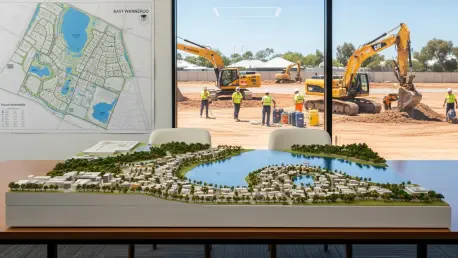
The East Wanneroo district stands as the centerpiece of this transformation, encompassing an 8,000-hectare area specifically designated to absorb the majority of the region’s future residents. This massive development is organized into five distinct neighborhoods, each anchored by a natural lake or a restored wetland system to emphasize the importance of local water ecology. These areas are designed using color palettes and architectural themes that mirror the local flora and fauna, such as the vibrant banksias and unique birdlife found in the region. To prevent the loss of natural beauty, large tracts of the eastern district are being preserved as protected state forests and rural buffer zones, creating a green lungs effect for the entire metropolitan area. This design philosophy ensures that every resident is within walking distance of significant natural spaces, promoting mental well-being and physical activity while maintaining the ecological balance of the sensitive swan coastal plain.
Sustaining such a significant influx of people requires an equally ambitious infrastructure rollout that is being synchronized with the delivery of new housing estates. The City of Wanneroo is working closely with state government agencies to ensure that over 30 primary schools and six new high schools are operational as families move into their new homes. This proactive stance prevents the lag often seen in developing suburbs where essential services struggle to keep pace with population growth. Advanced water management systems and decentralized power networks are being integrated into the early stages of ground works, providing a resilient foundation for future technological upgrades. Furthermore, the master plan prioritizes seamless transport connectivity, linking these lakeside communities to the major employment hubs of Joondalup and the Perth central business district via extended rail lines and optimized road networks. This ensures that the northern expansion remains economically viable.
Balancing Demand: Strategic Growth and Future Outlook
While the comprehensive vision for the East Wanneroo district is expected to unfold over the next fifty years, the city is also focusing on immediate housing opportunities in suburbs like Mariginiup and Sinagra. Boutique estates such as Maribelle and Botania Park are already coming online, offering a nature-led lifestyle that provides homesites adjacent to protected wetlands and mature woodlands. These developments serve as a testing ground for the city’s broader planning principles, demonstrating how tertiary education access, health services, and major freeway extensions can be balanced with environmental conservation. Market data indicates a significant surge in buyer interest for these northern suburbs, with inquiries per listing rising as more people seek a blend of modern convenience and outdoor accessibility. By delivering these smaller-scale projects now, the city is able to address the current housing shortage while the larger, more complex districts undergo the rigorous preparation required for massive residential deployment.
The transition of Wanneroo into a premier residential hub was ultimately defined by its ability to balance rapid growth with a steadfast commitment to community identity and environmental health. Stakeholders recognized that successful urban expansion required more than just building houses; it demanded the creation of a cohesive ecosystem where residents could thrive across multiple generations. By implementing a two-speed growth strategy, the region successfully provided immediate relief for the housing market while laying the groundwork for a sustainable fifty-year horizon. Future developments should continue to prioritize the place-led philosophy, ensuring that new infrastructure remains adaptable to changing climate conditions and evolving transport technologies. Planners and developers who looked toward these integrated models found that long-term value was best secured through the preservation of natural assets and the celebration of local culture. This framework provided a vital blueprint for other growing municipalities.