
Developing a reliable delivery model through institutional capital has become the primary strategy for stabilizing the UK’s rental supply. The contemporary landscape of the nation’s residential market is currently undergoing a profound structural transformation, defined by a widening gap between the exodus of traditional private landlords and the emergence of institutionalized rental solutions. According to comprehensive data, the UK is grappling with a supply-side crisis where the volume of properties leaving the private rental sector significantly outpaces the delivery of new, professionally managed accommodations. This shift carries significant implications for housing availability, investment strategies, and the overall demographic distribution of the nation’s housing stock. The move away from individual ownership toward large-scale management represents a fundamental pivot in how the country houses its population, reflecting an urgent need for modern infrastructure in a market that has long relied on fragmented, small-scale providers to meet the rising demand for quality homes.
Structural Shifts in Housing Supply
The Decline: Loss of Private Rental Units
A central theme of the current market analysis is the sustained departure of individual private landlords, who have traditionally served as the backbone of the rental sector. Since 2014, an estimated 477,000 homes have been sold by private landlords, a trend that continues to accelerate in the current environment. Critically, approximately 90% of these properties were subsequently purchased by homeowners, rather than being returned to the rental pool. This trend represents a massive transfer of housing stock out of the reach of renters and into the hands of owner-occupiers, creating a vacuum that new developments are struggling to fill. The drivers behind this mass exit involve a combination of rising compliance costs, stringent regulatory changes, and unfavorable shifts in taxation. For many smaller-scale landlords, the operational requirements of maintaining rental properties have become prohibitively demanding, leading to a systematic contraction of the traditional rental business model that once dominated the UK landscape.
Growth Potential: The Build to Rent Pipeline
In contrast to the shrinking individual landlord sector, the Build to Rent industry is experiencing robust growth and becoming a cornerstone of urban development. Recent reports indicate that 173,399 such homes have reached completion across the UK, marking a 22% increase in annual growth as of the current cycle. The development pipeline remains active, with 47,105 units currently under construction and another 125,932 units in various stages of the planning process. While these figures indicate a healthy appetite among institutional investors and developers, the total number of units—both completed and planned—is still mathematically insufficient to offset the nearly half-million homes lost to the rental market over the last decade. This suggests that while institutional housing is a vital component of the solution, the scale of delivery needs to accelerate significantly to maintain historical supply levels. The industry is in a race to replace the vanishing stock of private rentals with modern, professionally managed alternatives.
Evolving Models of Institutional Ownership
Diversification: From Urban High-Rises to Suburbs
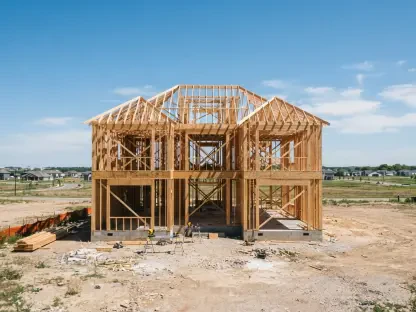
The institutional sector is evolving to meet diverse demographic needs by moving beyond the high-rise apartment model. Apartment-led multifamily developments remain the dominant force, accounting for 68% of the current construction pipeline. These projects focus on high-density, purpose-built apartment buildings that offer long-term tenure and professional management in city centers. However, a significant emerging trend is the rise of single-family housing within the modern framework. Representing more than 25% of homes under construction, the growth of this segment reflects a strategic move into suburban markets. This shift recognizes an increasing demand for professionally managed houses rather than just urban apartments, catering to families and individuals who seek the stability of a house with the service-oriented benefits of a managed rental. This expansion allows the sector to capture a wider audience, including young families who might have previously looked to the private landlord market for larger homes.
Economic Pressures: Viability and Strategic Partnerships
The transition toward institutional ownership is reshaping the residential development sector by fostering unique collaborative models. For housebuilders and developers, the expansion of these projects provides a reliable delivery model through partnerships with institutional capital and specialist operators. This relationship creates a steady stream of demand for a wide array of professional services, including architecture, engineering, and long-term property management. These partnerships allow for more predictable project cycles, as institutional investors provide the financial backing needed to initiate large-scale developments even during periods of broader economic uncertainty. However, the progress of these projects is not without significant hurdles. Development viability remains a concern, as fluctuating construction costs and inflationary pressures influence the speed at which the planning pipeline can be converted into completed units. Managing these costs requires careful negotiation and a focus on long-term value rather than short-term profit.
Strategic Pathways: Future Market Stabilization
Looking back at the shifts that occurred during the mid-2020s, the UK rental market reached a critical juncture where institutionalized management became the essential alternative to traditional ownership structures. The capacity of the construction industry to convert the existing pipeline into reality became the deciding factor in stabilizing the market. As the sector diversified from urban multifamily units to suburban single-family rentals, the role of institutional investment grew in importance, providing a necessary safety net for a shrinking private sector. Stakeholders successfully identified that relying on fragmented individual landlords was no longer a sustainable way to house a growing population. Moving forward, the focus must shift toward accelerating planning approvals and incentivizing the conversion of dormant sites into active rental communities. By fostering an environment where high-quality, professionally managed rentals can thrive, the industry established a path toward a more equitable and resilient housing market.