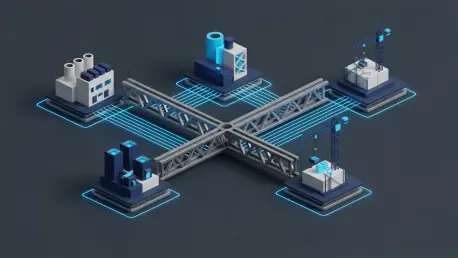

The rapid expansion of Mexico’s urban infrastructure combined with the persistent geological threats from seismic activity has prompted the federal government to implement a comprehensive overhaul of national safety protocols governing the manufacturing and deployment of structural steel components across the country. This transition signals a departure from legacy guidelines that often lagged behind the swift advancements in material science and modern architectural requirements. By establishing more stringent benchmarks for carbon content, tensile strength, and corrosion resistance, authorities aim to mitigate the risk of catastrophic failure during high-magnitude earthquakes. The new framework does not merely suggest best practices but rather mandates a series of rigorous benchmarks that every supplier, contractor, and engineer must adhere to before a project can receive final approval. This systemic shift also addresses the long-standing issue of substandard imports that have occasionally compromised the safety of mid-scale residential and commercial developments. By requiring more transparent documentation and laboratory validation, the government is effectively purging the supply chain of inferior products that cannot withstand the unique environmental pressures found in various Mexican regions. This move is expected to reshape the domestic construction landscape, forcing a shift toward higher-quality alloys and more sophisticated fabrication techniques while ensuring that structural integrity remains the paramount priority for all future developments.
Strengthening Resilience Through Rigorous Material Testing
The technical core of these updated mandates focuses on the ductility of steel alloys, which is a critical factor in how buildings absorb and dissipate energy during a tremor. Unlike previous standards that allowed for a broader range of material variance, the current regulations enforce a much narrower window for yield-to-tensile ratios. This ensures that the steel will deform predictably rather than snapping under sudden stress, providing occupants with vital extra seconds to evacuate during an emergency. Engineers must now utilize advanced spectroscopic analysis to confirm that the chemical makeup of the steel, particularly the levels of manganese and silicon, aligns with the specified grades for high-seismic zones. Furthermore, the testing frequency has been increased, requiring batch-specific certifications for every major structural project. This granular level of oversight prevents the common historical practice of using a single laboratory report to cover multiple disparate shipments of steel. By tightening these technical requirements, the ministry of economy and the housing authorities are creating a more resilient urban environment that can better withstand the inevitable natural forces that have historically devastated major population centers. The focus remains on moving toward a philosophy of “performance-based design,” where the material properties are explicitly matched to the specific environmental hazards of the construction site.
To ensure that these higher standards are maintained throughout the entire construction lifecycle, the government has introduced a mandatory digital traceability system for all structural steel products sold within the country. Each beam, column, and reinforcing bar must now carry a unique identification marker that links back to a comprehensive digital ledger containing its entire manufacturing history. This system allows inspectors to instantly verify the origin of the material, the specific mill that produced it, and the results of its most recent safety tests using a simple mobile interface. Such transparency eliminates the possibility of fraudulent certifications and holds manufacturers directly accountable for the quality of their output. Moreover, the integration of third-party accredited laboratories into the oversight process ensures that the data being fed into this system is objective and untainted by commercial interests. This technological approach to regulation not only streamlines the inspection process but also provides developers with a robust defense against liability claims. As the industry adapts to this digital-first regulatory environment, the reliance on manual paperwork is being phased out in favor of real-time data monitoring. This shift is particularly beneficial for large-scale public works, where the sheer volume of material can make traditional oversight methods prone to error. By leveraging these modern tools, the state is building a more transparent and reliable construction ecosystem.
Strategic Integration of International Standards and Sustainability
The decision to update these mandates was also heavily influenced by the need to harmonize Mexican construction codes with international frameworks like those found in the United States and Canada. Under the existing trade agreements, the alignment of structural steel standards facilitates easier cross-border collaboration and allows Mexican manufacturers to compete more effectively in the broader North American market. By adopting criteria that mirror ASTM and AISC specifications, the domestic industry reduces the technical barriers that previously hindered the export of fabricated steel components. This synchronization also benefits international investors who are looking for consistency and predictability when launching major industrial projects within Mexico. When the regulatory environment in Mexico City matches the expectations of a firm based in Chicago or Toronto, the overall risk profile of the project decreases, encouraging more foreign direct investment in the local infrastructure sector. This economic dimension of the new safety standards is just as significant as the technical improvements, as it fosters a more integrated regional market for high-quality building materials. The government’s proactive stance in this area demonstrates a commitment to maintaining a competitive edge while simultaneously raising the floor for safety and quality. This dual focus ensures that the local industry grows in a sustainable and globally recognized manner.
As the transition period ended, the industry adopted a mindset of proactive risk management that emphasized the longevity of civil works. Builders and developers recognized that the initial investment in higher-grade steel was offset by the reduced need for seismic retrofitting and long-term maintenance costs. Educational programs for structural engineers were expanded to cover the nuances of these new metallurgical requirements, ensuring that the next generation of designers understood the critical relationship between alloy composition and structural performance. Manufacturers eventually synchronized their production lines with green energy sources, proving that industrial progress and environmental stewardship could coexist effectively. This era of regulation fundamentally shifted the perception of construction safety, moving it from a matter of bureaucratic compliance to a core pillar of national resilience. Stakeholders ultimately focused on transparency as the primary driver of market confidence, which stabilized the supply chain and fostered a new level of trust between the government and the private sector for years to come. The adoption of these practices simplified the complex landscape of urban development, making the path toward safer cities clearer and more achievable for everyone involved. Final reports from the first wave of projects indicated that the enhanced standards significantly reduced the variability in material quality, leading to more predictable construction timelines and improved safety outcomes for the general public.