
Luca Calarailli brings a wealth of experience in modern architecture and construction innovation, focusing on how strategic partnerships and technology can solve pressing social issues. In this discussion, we explore the intricate dynamics of the New Milton affordable housing scheme, a project bringing essential residential units to the Gore Road area. This development represents a synergy between a leading housing association, the local council, and expert contractors, showcasing how collaborative efforts and grant funding from Homes England can transform local landscapes into sustainable residential hubs. The conversation highlights the transition from conceptual planning to the tangible construction of high-quality homes designed for social rent.
The collaboration between local councils, housing associations, and contractors often defines project success; how does this specific synergy at the Gore Road development ensure the long-term viability of affordable housing?
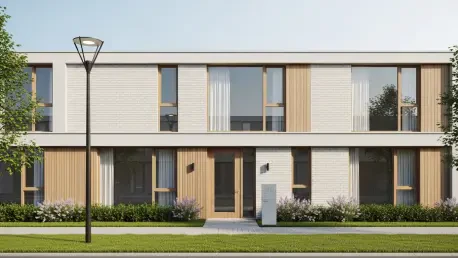
In construction, a project is only as strong as the alliance behind it, and the Gore Road scheme is a prime example of the “enabler” model working in real-time. By bringing together the New Forest District Council, the strategic expertise of VIVID, and the technical skill of Glossbrook, we see a shared vision for 14 houses and 3 flats designed specifically for social rent. The physical progress on-site feels tangible and purposeful, especially when you consider that these homes are backed by critical grant funding from Homes England. This level of coordination ensures that every brick laid is part of a larger plan to address the growing housing register while maintaining rigorous quality standards. When the council acts as a facilitator, it removes the friction often found in complex urban developments, allowing the contractor to focus on building sustainable, well-designed homes that don’t just look good but function effectively for decades.
Looking at the architectural layout of these 17 units, how does the design philosophy of these homes contribute to building a lasting sense of community and security for the residents?
Architecture isn’t just about the physical structures being built; it’s about the emotional safety and the foundation for a positive future that these spaces provide to the families who will inhabit them. When the leadership at VIVID speaks about residents “putting down roots,” they are referring to the sensory experience of moving into a home that is safe, secure, and permanent. The deliberate mix of houses and flats allows for a diverse micro-community to flourish right there on Gore Road, adjacent to Milton Barns. We are looking at a completion target of April next year, and every detail from the sustainable materials used by Glossbrook to the spatial planning is geared toward creating a “good place to live.” For a family moving in, the quality of the construction isn’t just a technical specification; it’s the quiet peace of mind that comes from knowing they have a high-quality, affordable roof over their heads in a community they can finally call their own.
With several projects currently underway across the New Forest, what is your forecast for the future of affordable housing development in the region?
I expect to see a significant acceleration in these types of partnership-led developments, as the model used in New Milton has proven to be a highly effective blueprint for addressing local needs. By the time these homes are completed next April, we will likely see an even stronger emphasis on integrating sustainable technology into social housing to lower long-term living costs for residents. The success of the Gore Road site will likely encourage local councils to leverage more land for similar schemes, potentially increasing the output of affordable units over the coming years. As we move forward, the focus will shift from simply meeting housing numbers to ensuring that every new development provides a strong foundation for individuals to build their lives upon. This trend of “high-quality social rent” will become the gold standard, proving that affordable housing can be both aesthetically pleasing and structurally superior.