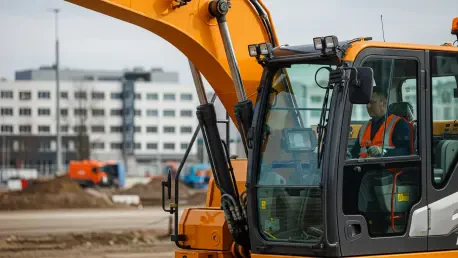

The North American heavy equipment landscape is currently undergoing a radical transformation as major manufacturers prioritize advanced digital integration alongside raw hydraulic power. As domestic construction firms face mounting pressure to complete large-scale infrastructure projects with shrinking timelines and limited labor resources, the demand for high-performance machinery has never been greater. Sany has responded to these market dynamics by rolling out a comprehensive update to its excavator portfolio, specifically engineered to tackle the rugged conditions found in North American job sites. This launch represents a strategic shift toward highly specialized machines that offer a lower total cost of ownership while maintaining the durability expected by heavy industry veterans. By focusing on both mechanical robustness and the latest electronic control systems, the new lineup positions itself as a formidable contender in a market that is increasingly prioritizing precision and environmental compliance.
Technical Advancements and Operational Efficiency
Hydraulic Optimization: Enhancing Machine Responsiveness
Modern hydraulic systems are the primary driver of productivity in excavation, and the latest revisions to these machines emphasize a more harmonious relationship between the engine and the pump. By utilizing electronically controlled hydraulic pumps that communicate instantaneously with the engine’s control module, these excavators can deliver power exactly when it is needed while minimizing energy waste during idle periods. This technological synergy results in significantly faster cycle times for digging and loading operations, which directly improves the daily output of any given crew. In addition to raw speed, the fine-tuned control allowed by these modernized valves provides operators with the delicacy required for utility work in congested urban environments. The balance of high breakout force with smooth multi-function performance ensures that these units remain versatile across a wide spectrum of applications, from heavy-duty site preparation to detailed landscaping tasks.
Operator Environments: Redefining Workplace Standards
The emphasis on operator comfort has evolved from a secondary consideration into a vital component of machine design, as ergonomic workspaces are essential for maintaining safety and productivity over long shifts. Sany’s updated cabins feature a completely redesigned interior layout that maximizes visibility while providing a quiet, climate-controlled environment that rivals modern automotive standards. Large high-definition touchscreens serve as the primary interface, allowing operators to customize hydraulic settings, monitor camera feeds, and access machine health data without excessive menu navigation. These displays are integrated into an intuitive control cluster that places the most vital functions within easy reach, reducing physical strain and mental fatigue. Advanced sound-dampening materials and vibration-isolated mounts further enhance the experience, creating a workspace where technology supports the human element and acknowledges that the operator is the critical factor in efficiency.
Strategic Growth and Fleet Management Solutions
Digital Integration: Telematics as a Competitive Edge
Building on this human-centric foundation, the machines also incorporate advanced digital tools to optimize the performance of the entire fleet. In the current era of data-driven construction, telematics systems have become indispensable tools for managers seeking to optimize asset utilization and minimize unexpected downtime. The modernized excavator lineup comes standard with integrated communication modules that broadcast real-time performance metrics to a centralized cloud platform. This system allows owners to track fuel consumption and specific fault codes from a remote dashboard, facilitating proactive maintenance schedules that prevent minor issues from escalating into major repairs. By analyzing idle time versus working time, companies can identify opportunities to improve site logistics and reduce fuel expenditures. Furthermore, the ability to perform remote diagnostics means that service technicians can identify necessary parts before arriving on the job site.
Sustaining Performance: Lifecycle Management and Support
The introduction of this modernized machinery provided a clear pathway for contractors to upgrade their fleets with technology that balances high performance with manageable operating costs. Throughout the initial rollout, it became evident that those who successfully integrated these advanced hydraulic and telematics features into their daily workflows achieved a measurable advantage in project efficiency. To capitalize on these advancements, construction firms should prioritize operator training programs that focus specifically on the nuances of electronically controlled systems and digital monitoring. Implementing a rigorous data-analysis protocol will allow fleet owners to fully leverage the insights provided by the telematics platforms, turning raw operational data into actionable strategies for deployment. Looking ahead, the focus must shift toward maximizing the lifecycle of these assets through scheduled preventative maintenance. By embracing this structured approach, companies ensured their competitiveness.