
The speed at which artificial intelligence has permeated the facility management sector far exceeds any previous technological transition, leaving little room for those who view it as a mere software upgrade rather than a fundamental systemic revolution. Executives who treated early generative models as passing novelties now find themselves operating at a distinct disadvantage compared to peers who integrated these tools into their daily workflows. This shift is not merely an incremental improvement in information technology but is more accurately compared to the introduction of electricity, where the absence of adoption means a total loss of operational capability. The primary obstacle preventing progress in the current landscape is rarely a lack of available budget or the maturity of the technology itself, but rather a profound decision gap at the highest levels of leadership. While many organizations remain stuck in pilot purgatory, the market has moved toward a model where AI literacy is the base requirement for effective capital stewardship and operational resilience across all commercial assets.
1. The Fundamental Shift: Why Delayed Adoption Is a Career Risk
The chasm between leaders who utilize automated intelligence and those who remain tethered to traditional manual oversight is expanding at a rate that threatens long-term career viability. In the current environment, the ability to synthesize massive datasets regarding building performance and occupant behavior has become a non-negotiable skill for high-level facility executives. Those who hesitate to embrace these advancements often find that their competitors are achieving efficiency gains of thirty percent or more, rendering legacy management styles fundamentally uncompetitive. This paradigm shift requires a total recalibration of how value is perceived within the built environment, moving away from reactive maintenance toward proactive, algorithm-driven decision making. Executives must recognize that fluency is not an optional specialization but a core competency that determines their ability to navigate complex real estate portfolios. Stagnation in this area results in a slow but certain slide into obsolescence as the industry standard rapidly evolves.
Current delays in organizational transformation are frequently misattributed to insufficient funding or immature software, yet the reality points toward a crisis of decisive leadership. Many facility teams possess the necessary hardware and data streams to implement sophisticated AI models, but they lack the executive mandate to deploy them effectively across the entire enterprise. This decision gap creates a vacuum where innovation is stifled by a fear of the unknown rather than any actual technical limitation found in modern computing. Leadership must take the initiative to bridge this divide by setting clear benchmarks for adoption and signaling that technological stagnation is no longer acceptable within the corporate culture. By prioritizing the development of internal expertise, executives can ensure that their organizations remain agile enough to respond to fluctuating energy costs and changing tenant demands. Realizing that the cost of inaction is significantly higher than the price of implementation is the first step toward reclaiming a competitive advantage.
2. Bridging the Industry Divide: Managing Vendor Integration and Knowledge Gaps
Service providers have already transitioned to AI-driven models, utilizing real-time sensor data to optimize everything from HVAC cycles to janitorial schedules. For an executive to manage these vendors effectively, they must understand the underlying logic of the predictive maintenance systems being pitched and implemented. Without this baseline fluency, there is a significant risk of becoming overly dependent on proprietary vendor algorithms that may not align with the long-term interests of the property owner. Understanding how these tools process building telemetry allows leaders to verify performance claims and ensure that service level agreements are being met with precision. This technical literacy transforms the relationship from one of blind trust to one of informed collaboration, where both parties are working toward optimized outcomes. Furthermore, the ability to interpret AI-generated reports is essential for identifying which contractors are truly adding value and which are simply using the technology as a marketing buzzword to justify higher fees.
A widening knowledge gap between sophisticated service providers and less-informed facility owners creates substantial financial and operational risks for any real estate portfolio. When vendors utilize high-level automation while executive leadership remains in the dark, the potential for mismanagement of capital expenditures increases significantly. Organizations that fail to build internal fluency before making major investments in smart building technology often find themselves locked into expensive, inflexible systems that do not deliver the promised return on investment. Building this fluency must happen as a prerequisite to large-scale procurement rather than an afterthought during the implementation phase. Leaders who take the time to study the nuances of data integration and machine learning are better equipped to challenge assumptions and negotiate better terms for their organizations. This proactive approach ensures that technology serves the operational goals of the facility rather than forcing the facility to adapt to the limitations of a poorly understood software suite.
3. Implementing the Third Screen: Normalizing AI in Daily Operational Workflows
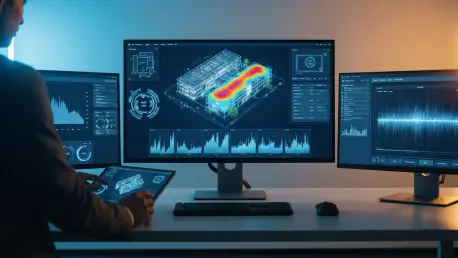
Moving beyond the traditional two-monitor setup has become a symbolic and practical necessity for facility managers seeking to maintain a high level of operational awareness. By dedicating a literal “third screen” solely to an active AI interface, executives can ensure that cognitive assistance is always visible and ready to provide instant analysis of incoming data. This configuration prevents the technology from being relegated to a background task or a hidden browser tab that is only accessed when a specific problem arises. Instead, the persistent presence of the interface encourages a habit of constant inquiry and rapid verification of architectural or mechanical assumptions. Such a setup facilitates a more fluid interaction between the manager and their digital assistant, allowing for real-time brainstorming regarding energy spikes or staffing shortages. When the tool is integrated into the physical workspace in this manner, it ceases to be an alien concept and becomes a natural extension of the executive’s own decision-making process during the workday.
Integrating advanced computational tools into the daily routine transforms them from sidelined IT projects into core components of the organizational structure. This strategy moves the conversation away from periodic technology updates toward a continuous cycle of learning and application that keeps pace with market changes. When AI is treated as a visible and active participant in the facility management office, it sends a powerful signal to the entire staff about the importance of technological literacy. This cultural shift is essential for overcoming the natural resistance that often accompanies the introduction of disruptive tools in traditional industries. By normalizing the use of large language models and predictive analytics in every meeting and report, executives demonstrate that they are leading from the front. This hands-on approach ensures that the technology is being used to solve actual operational problems rather than just serving as a vanity metric for the board of directors. Over time, this constant exposure builds the organizational muscle memory required to handle even more complex future integrations.
4. Practical Pathways: Platform Diversity and Risk Management Protocols
Building a robust foundation in artificial intelligence requires facility teams to move beyond basic, consumer-grade tools and explore a wide variety of enterprise-level platforms. Relying solely on a single provider like Microsoft Copilot can limit an executive’s perspective on what is truly possible within the realm of data synthesis and automation. By experimenting with diverse options such as ChatGPT, Claude, and Gemini, managers can identify which specific models are best suited for different tasks, such as contract review or energy modeling. Providing the entire management team with professional-level access to these tools encourages a culture of genuine exploration and allows for a more nuanced understanding of their respective strengths. Each platform has its own unique logic and training data, which means that a multi-platform strategy can provide a more comprehensive view of complex operational challenges. This diversity of thought is crucial for developing a sophisticated internal ecosystem that can adapt to the rapid advancements occurring within the software industry.
While concerns regarding cybersecurity and data privacy are valid, they must not be allowed to act as a permanent barrier to technological progress within the facility. Executives should work closely with IT professionals to establish reasonable safety measures that protect sensitive building data while still allowing for meaningful innovation. Establishing clear protocols for what information can be uploaded to external models is a more productive approach than simply banning the use of these tools altogether. This collaborative framework ensures that the organization can reap the benefits of automated intelligence without exposing itself to unnecessary risks or legal liabilities. Once these guardrails are in place, teams can move forward with confidence, knowing that they have a secure environment in which to test new ideas and workflows. By proactively addressing security issues, leadership removes one of the most common excuses for procrastination and sets a clear path for digital transformation. Innovation flourishes best when it is supported by a robust safety net that allows for experimentation without fear of failure.
5. Knowledge Management: Analyzing Records and Supporting Internal Power Users
Modern facility organizations sit on mountains of untapped data, from historical maintenance logs and equipment manuals to complex vendor contracts and utility bills. Utilizing AI to scan and analyze these existing records can reveal hidden patterns of inefficiency that would take a human analyst months to identify manually. By uploading these documents into a secure analysis tool, executives can ask specific questions about operational performance and receive detailed answers in a matter of seconds. This capability allows for a much more granular understanding of building life cycles and helps in the creation of more accurate long-term maintenance budgets for the period from 2026 to 2030. Furthermore, the ability to quickly cross-reference current performance against historical benchmarks provides a powerful tool for holding service providers accountable for their results. This data-driven approach ensures that capital decisions are based on hard evidence rather than anecdotal reports or outdated industry assumptions. The result is a more resilient and cost-effective portfolio that is managed with unprecedented levels of precision.
One of the most significant risks facing the industry today is the loss of institutional knowledge that occurs when experienced staff members retire or move to other organizations. Facility executives can mitigate this risk by using automated transcription and summarization tools to capture the expertise shared during meetings and on-site diagnostic sessions. This process ensures that the “tribal knowledge” often held by senior technicians is codified and made available to the entire team through a searchable digital library. Identifying and supporting “power users” within the existing staff is another critical component of a successful long-term AI strategy. These individuals are often already experimenting with new tools on their own time and can serve as internal champions for broader technological adoption. By providing these early adopters with the resources and freedom to conduct internal research, leadership can foster a bottom-up innovation culture that complements top-down strategic goals. This dual approach ensures that the organization remains at the cutting edge of the industry while preserving the valuable insights of its most experienced people.
6. Strategic Outcomes: Future-Proofing Capital Decisions and Industry Evolution
The long-term impact of building AI fluency is characterized by a compounding set of benefits that fundamentally alter the trajectory of a facility management organization. Teams that utilize these tools on a daily basis gradually become both faster and more accurate, developing an organizational instinct for efficiency that is difficult for competitors to replicate. This increased speed of execution allows for more frequent and detailed reviews of building systems, leading to lower operating costs and improved occupant satisfaction scores. As the technology continues to evolve, the gap between fluent organizations and those falling behind will only widen, creating a permanent divide in market performance. Facilities that have mastered the use of predictive analytics are better positioned to weather economic downturns by identifying savings opportunities that others simply cannot see. This high level of operational agility is the ultimate reward for the hard work of building a culture that prioritizes technological literacy and continuous improvement.
History demonstrated that companies like Blockbuster and Kodak failed because they drastically underestimated the speed at which their respective industries would be transformed by digital innovation. Facility executives avoided this fate by recognizing that the current pace of change required an immediate and total commitment to understanding the mechanics of automated intelligence. They prioritized the development of a literate workforce that understood how to distinguish between truly advanced vendors and those merely using technology as a facade. By the time high-level board approvals were required for next-generation equipment, the leadership team had already established a clear track record of success with smaller AI-driven initiatives. This strategic foresight ensured that capital was allocated efficiently toward projects that offered the highest possible returns in an increasingly complex global market. Moving forward, the focus shifted toward refining these established systems and exploring even more advanced applications of machine learning in sustainable building design. The transition was completed when data-driven decision making became the standard operating procedure for every asset in the portfolio.