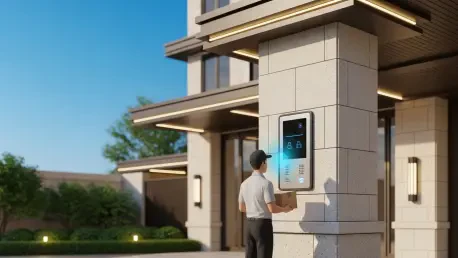

Residents entering a modern multi-million dollar high-rise often encounter a sleek environment defined by automated lighting and biometric sensors, yet they are frequently forced to communicate with guests through a grainy, buzzing speaker that seems like a relic from the previous century. This glaring discrepancy illustrates a growing issue known as the proptech paradox, where the interior sophistication of luxury living environments is severely bottlenecked by external communication systems that remain decades behind modern expectations. Despite the rapid advancement of smart building features, the primary entry point often relies on infrastructure that is remarkably stagnant, creating a significant security and functional blind spot for property owners. Because these systems are frequently tucked behind walls or hidden in basements, they are overlooked during renovation cycles until a total failure occurs. This neglect turns the front door into the weakest link of an otherwise intelligent building.
Overcoming Structural and Management Barriers
The primary reason intercom systems lag behind other smart building technologies is their invasive and inherently physical nature, which requires significant labor to modernize. Unlike a simple software update or the installation of a new lobby camera, traditional intercom systems are hardwired into the very core of the building, with thick bundles of proprietary cabling running through internal shafts to every individual unit. Replacing such an extensive system is a massive undertaking that inevitably disrupts the daily lives of every resident in the building, making property owners extremely hesitant to modernize until it becomes absolutely necessary. The sheer scale of the construction work required to pull new wires or install wireless repeaters often leads to a cycle of procrastination that lasts for decades. Consequently, buildings that pride themselves on being state-of-the-art often retain communication hardware that was installed during the initial construction phase, regardless of how much technology has progressed.
Compounding the physical difficulty of upgrading these systems is a widespread lack of accountability among property management companies and condominium boards who oversee these properties. Intercom systems are frequently managed with a reactive “run-to-failure” mindset, receiving almost no preventative care or routine maintenance while more visible utilities like elevators or HVAC systems are strictly regulated. This hands-off approach leaves the building’s most vital security link untouched for years, even as peripheral technologies like lobby displays or lighting controls are upgraded multiple times. Without a standardized maintenance schedule or a dedicated technology budget, the intercom remains a dormant liability that only gains attention when a visitor cannot gain access or a package cannot be delivered. This failure to treat the entry system as a critical infrastructure component creates an environment where security is compromised by neglect. By the time a failure is acknowledged, the costs of repair often exceed those of a total replacement.
Navigating the Three Generations of Intercom Hardware
The first generation of intercom hardware consists of analog systems that were widely installed before the turn of the century and are characterized by their extreme mechanical durability. While these units are known for lasting thirty years or more without significant intervention, they are now fundamentally limited by their inability to support video streaming or smartphone integration. As manufacturers begin to phase out legacy parts and components, these reliable workhorses are rapidly becoming technological dead ends that simply cannot meet the security or convenience expectations of modern residents. Many buildings currently operating on these analog systems find themselves in a precarious position where a single component failure could render the entire network inoperable without any hope of a quick fix. This reliance on aging circuitry makes it impossible to implement the modern features that define contemporary living. Moving away from these legacy systems requires a strategic shift that recognizes the total obsolescence of analog signals in a digital world.
The transition to Internet Protocol or IP-based systems in the mid-2010s transformed the intercom into a sophisticated network device capable of providing high-definition video and remote management capabilities. However, this shift toward connectivity introduced a suite of new vulnerabilities that are often invisible to the naked eye, such as firmware bugs and complex network configuration errors. Building staff must now navigate intricate IT issues that require a level of technical expertise that traditional mechanical maintenance teams often lack. If the local area network in the building experiences downtime or if a router is configured incorrectly, the entire entry system can fail, leaving residents unable to screen their visitors properly. Moreover, because these devices are connected to the internet, they require regular security patching to protect against unauthorized access or data breaches. This complexity means that the durability of the hardware is no longer the only metric of success; the stability of the underlying network is now just as critical.
The most recent shift in entry technology moves toward cloud-based and mobile-first paradigms that eliminate the need for traditional in-unit hardware by routing calls directly to smartphones. While this transition significantly lowers installation costs and increases convenience for mobile residents, it introduces a heavy reliance on the manufacturer’s server uptime and financial stability. If a service provider goes out of business or decides to stop supporting a specific platform, the building’s front door hardware can become instantly useless, regardless of its physical condition. This bricking of hardware is a unique risk of the modern era, where a building’s security is tied to the longevity of a third-party technology firm. Furthermore, this model assumes that all residents have consistent access to smartphones and data plans, which may not always be the case for every demographic. Managing this risk requires property owners to perform deep due diligence on their technology partners before committing to a platform that lacks a local fallback mechanism.
Moving Toward a Proactive Integration Strategy
To effectively secure a smart building, owners must move away from treating the intercom as a secondary utility and recognize it as the primary gateway for both people and logistics. Future planning for residential and commercial properties now requires a clear understanding of which technological generation a building currently uses so that management can anticipate specific operational risks. Whether the primary challenge is analog obsolescence, IP network stability, or cloud vendor dependency, each system requires a tailored maintenance and upgrade strategy to ensure longevity. By viewing the intercom as a vital node in the building’s digital infrastructure, managers prioritize budget allocations for hardware that supports modern delivery demands. This perspective shifts the focus from mere communication to comprehensive access control, where every interaction at the door is logged and analyzed for security trends. This data-driven approach allows for a more nuanced understanding of resident needs and high-traffic periods within the facility.
Ultimately, the goal of modernizing these systems involved fully integrating the entry point into the building’s broader digital ecosystem rather than leaving it as an isolated legacy component. By shifting from emergency repairs to long-term technological planning, property managers balanced the durability of older hardware with the connectivity required by the modern world. They recognized that the front door served as the first point of contact for every resident or visitor, and ensuring its reliability became a cornerstone of property value. Modernizing the entry experience ensured that the first impression of the building matched the high standards of the rest of the smart ecosystem. Stakeholders who invested in these upgrades discovered that a robust intercom system reduced the burden on front-desk staff and improved the security of the entire premises. This proactive strategy successfully bridged the gap between historical architecture and the digital future. These efforts laid the groundwork for a more resilient and connected urban living environment.