
The radical transformation of the commercial real estate landscape has moved far beyond the initial disruption of remote work, settling into a sophisticated era where office space is treated as a strategic service rather than a static overhead cost. This roundup explores the current shift in how managed workspaces serve as the primary infrastructure for the modern, decentralized organization. By synthesizing market data and design philosophies, the following analysis details how coworking has matured into an enterprise-grade necessity that balances the needs of a mobile workforce with the financial objectives of global corporations.
From Niche Alternative to Enterprise Necessity: The New Geography of Work
Industry analysts observe that the coworking sector is undergoing an unprecedented expansion, with a massive surge in square footage dedicated to flexible leases throughout the current market cycle. Large organizations are moving away from centralized headquarters in favor of “hub-and-spoke” models, utilizing coworking sites as localized corporate satellites. This shift allows employees to avoid long commutes while still having access to a professional, collaborative environment that the home office simply cannot replicate.
The concept of the “third space” has moved from a sociological theory to a core business strategy. These environments bridge the gap between the isolation of remote work and the rigid, often uninspiring atmosphere of the traditional corporate office. By positioning work hubs in diverse geographic locations, companies are tapping into talent pools that were previously inaccessible, all while reducing the carbon footprint associated with long-distance commuting and massive, underutilized building operations.
The Bilateral Strategy of Success: Balancing Human Experience with Operational Rigor
The most successful managed workspaces in the current landscape are those that employ a dual-layered approach to design and management. This strategy focuses on providing an exceptional experience for the individual user while maintaining the operational efficiency required for institutional-grade real estate. Balancing these often-competing interests requires a deep understanding of both human psychology and financial management, ensuring that every square foot serves a specific, productive purpose.
Hospitality at Scale: How “Hotelization” Is Replacing the Traditional Cubicle
Designers are increasingly looking toward the hospitality industry to define the look and feel of the modern workplace. The era of the clinical, grey cubicle is being replaced by environments that mirror luxury hotels, featuring upscale beverage stations, professional eateries, and concierge-level service. This “hotelization” of the office is intended to increase user engagement, making the physical trip to a workspace feel like a premium experience rather than a mandatory chore.
Service-oriented staffing has become a major differentiator for top-tier operators. On-site teams no longer function merely as building managers; they act as experience curators who facilitate networking and handle administrative friction. By providing residential-style comfort combined with high-end professional services, these hubs foster a sense of belonging and community that enhances member retention and overall satisfaction for corporate clients.
Prioritizing the Human Element: Biophilic Design as a Countermeasure to Burnout
With high percentages of the workforce reporting symptoms of burnout, modern hubs are integrating holistic wellness into their architectural DNA. Biophilic design, which incorporates natural light, living plants, and organic materials, is now a standard requirement for high-performance spaces. These elements are not merely aesthetic; they are functional tools used to reduce cortisol levels, improve cognitive function, and create a calming atmosphere that supports deep focus.
Restorative zones are also becoming a staple in these facilities, providing dedicated areas for meditation or silent contemplation away from the noise of collaborative zones. By acknowledging that productivity is not a constant state, operators are designing for the full spectrum of human needs throughout the workday. This intentional approach to wellness ensures that the environment supports mental health, which in turn leads to more sustainable levels of employee performance.
Smart Infrastructure: Leveraging Digital Tools to Shape Workplace Behavior
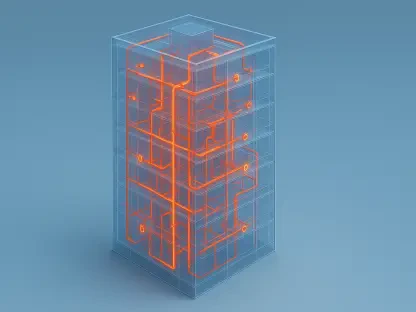
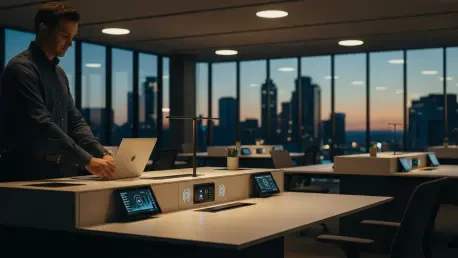
Technology is the invisible layer that makes the modern hub functional and frictionless. Digital-first environments rely on high-speed, secure connectivity that can handle the demands of a fully mobile workforce. Beyond basic Wi-Fi, smart integration now includes desks with wireless charging and IoT-enabled climate controls that adapt to occupancy levels in real time. This ensures that the physical environment is always optimized for the people using it.
Advanced booking systems and behavioral analytics tools allow operators to see how space is being utilized, enabling them to reconfigure layouts based on actual demand. These digital tools reduce the logistical hurdles of finding a meeting room or a quiet desk, allowing workers to focus entirely on their tasks. Furthermore, seamless tech integration allows for a fluid transition between different work zones, supporting a more dynamic and less structured approach to the workday.
The Economics of Flexibility: Redefining Interior Assets as Profit Generators
The financial viability of a coworking space depends on its ability to treat every piece of furniture as a strategic asset. Unlike traditional offices where furniture is a sunk cost, flexible hubs use modular and mobile furnishings that can be reconfigured for different revenue-generating activities, such as evening events or weekend workshops. This adaptability ensures that the space remains profitable even outside of standard business hours.
This focus on modularity also allows for rapid scalability, enabling operators to adjust their offerings as market demands shift. High-performance furnishings are viewed through the lens of return on investment, where durability and multi-functionality are prioritized. By maximizing the utility of every asset, managed workspaces can maintain a more resilient business model that withstands the fluctuations of the broader real estate market.
Strategic Implementation: Best Practices for Navigating the Hybrid Landscape
Successfully integrating into a managed workspace requires more than just signing a membership agreement; it involves a fundamental shift in corporate culture. Companies must establish clear protocols for how and when these satellite hubs are used to ensure consistency across the organization. This includes aligning digital security measures and ensuring that the brand identity is felt even in a shared environment, maintaining a cohesive experience for all employees regardless of their physical location.
Moreover, the transition to a hybrid model necessitates a rigorous analysis of real estate costs and occupancy metrics. Managed workspaces offer the advantage of “right-sizing” an office portfolio in real time, allowing firms to expand or contract their footprint without the penalties of traditional leasing. By treating office space as a variable expense, organizations can protect their capital and remain agile in a rapidly changing economic climate.
Securing the Corporate Satellite: The Long-Term Viability of Managed Workspaces
The integration of flexible workspaces into the global corporate portfolio solidified a new standard for operational agility. Organizations discovered that by prioritizing user experience alongside modular infrastructure, they established a sustainable framework for the modern workforce. This transition allowed businesses to mitigate the risks associated with long-term real estate exposure while maintaining a consistent cultural footprint across various geographic locations.
Moving forward, the industry prioritized the diversification of space types to meet specialized departmental requirements, from high-security tech labs to creative studios. These managed environments provided the necessary stability for companies to navigate market shifts without sacrificing productivity or employee well-being. Ultimately, the evolution of these hubs represented a definitive step toward a more resilient and human-centric approach to commercial real estate management.