
The dream of a fully automated living space, once a complex and prohibitively expensive endeavor reserved for the elite, has undergone a radical transformation into a budget-friendly reality for the average consumer. Modern households are witnessing a significant shift in how technology is integrated into daily routines, moving away from high-end, professionally installed systems toward modular, user-friendly gadgets that cost less than a week’s worth of groceries. This evolution is driven by the mass production of specialized microchips and the standardization of wireless protocols, which have collectively lowered the barrier to entry for anyone looking to modernize their home. What was once considered a series of flashy gimmicks has matured into a practical suite of tools designed to eliminate the physical effort associated with household management while keeping financial investment minimal. By prioritizing functionality over brand prestige, homeowners are finding that they can achieve a sophisticated level of automation without the traditional “luxury tax” that previously defined the smart home industry.
Building a dependable smart home system on a tight budget requires a strategic focus on products that offer a high performance-to-cost ratio and consistently positive user feedback. The current market is saturated with options, but the most successful implementations rely on devices priced under the thirty-dollar mark that still offer robust security and seamless integration. These gadgets are no longer isolated islands of technology; instead, they converge into unified ecosystems that can be controlled through a single smartphone application or a centralized voice assistant. This convergence ensures that even the most affordable sensors and plugs contribute to a cohesive environment where different devices communicate to improve efficiency. For those entering the market today, the emphasis has shifted from simply owning a smart device to creating a reliable infrastructure that provides long-lasting utility. This foundation of affordability and reliability is precisely what allows the modern consumer to scale their system one room at a time, ensuring that every dollar spent results in a tangible improvement to their quality of life.
Lighting and Power Management for Every Room
Smart lighting often serves as the primary entry point for those beginning their journey into home automation, and affordable options like Govee bulbs have made this transition incredibly accessible. These devices provide more than just the ability to change colors; they offer a sophisticated level of functional scheduling that can significantly alter the daily atmosphere of a living space. For instance, a user can program their lights to mimic the natural progression of daylight, shifting from cool whites in the morning to warm, amber tones in the evening to support natural circadian rhythms. Beyond aesthetics, the integration of these bulbs into a home network allows for enhanced security measures, such as vacation modes that simulate occupancy by toggling lights at random intervals. Because these bulbs connect directly to existing Wi-Fi networks without the need for expensive proprietary hubs, they represent a high-value investment for those looking to modernize their environment on a shoestring budget.
Effective power control is another pillar of a functional smart home, frequently managed through versatile tools like the Amazon Smart Plug or similar high-quality alternatives. These devices act as a bridge between traditional “dumb” appliances and the world of modern connectivity, allowing users to bring remote control and automation to everything from vintage lamps to coffee makers. The latest designs have become increasingly compact, ensuring that a single smart plug does not obstruct the adjacent outlet on a standard wall plate, which was a common design flaw in earlier generations of the technology. By utilizing these plugs to manage charging cycles for laptops and mobile devices, users can effectively preserve the health of their batteries by cutting power once a full charge is reached. This level of granular control over electricity usage not only provides convenience but also serves as a proactive method for managing energy consumption across the entire household, proving that even a simple plug can offer substantial long-term benefits.
Protecting Your Property with Smart Security
Indoor security has moved away from the era of expensive monthly subscriptions and complicated wiring, thanks to the advent of high-definition cameras that deliver crisp 2K quality at a fraction of the cost. These modern budget cameras often feature motorized bases that provide nearly 360-degree room coverage, ensuring that there are no blind spots in critical areas like living rooms or entryways. The inclusion of two-way audio transforms these devices into multi-purpose communication tools, often utilized as baby monitors or a means to interact with pets throughout the workday. Advanced motion detection algorithms are now standard, capable of distinguishing between the movement of a curtain and the presence of a person, which significantly reduces the number of false alerts sent to a user’s smartphone. This constant, high-level monitoring provides a sense of security that was once only available through professional security firms, empowering homeowners to maintain a watchful eye on their property regardless of their physical location.
The perimeter of a home can be further secured through the use of contact sensors that monitor doors and windows without requiring any permanent modifications to the building. These small, unobtrusive gadgets function by using magnetic contacts to detect when a circuit is broken, immediately triggering a notification to the homeowner’s mobile device. They are particularly useful for keeping a detailed history log of entry and exit times, which can be invaluable for families managing the schedules of children or service workers. Operating on standard, long-lasting batteries and utilizing low-energy wireless protocols, these sensors provide a low-maintenance solution for real-time awareness within the home. This type of preventative automation is a major trend for those seeking efficient protection, as it allows for the creation of complex security routines—such as automatically turning on hallway lights if a door is opened after midnight—without needing a complex or expensive control panel.
Managing the garage, which is often one of the most vulnerable entry points in a modern residence, has become remarkably simple with the introduction of low-cost smart openers. These devices eliminate the nagging anxiety of wondering whether the garage door was left open after a morning commute, providing a clear status indicator right on the user’s phone. Many of these systems allow for the creation of automatic closing schedules, ensuring the house is locked down at a specific time every night even if the residents forget to check. Integration with voice-activated assistants further enhances this convenience, allowing for hands-free operation when a driver arrives home with a vehicle full of groceries or equipment. By bringing such a critical component of home infrastructure into the digital ecosystem, these affordable upgrades provide a level of safety and operational ease that traditional mechanical openers simply cannot match, reinforcing the idea that effective security does not require a massive financial commitment.
Prevention and Energy Efficiency Tools
In modern environments where a multitude of electronics are clustered together, such as home offices or media centers, smart power strips offer a sophisticated layer of control that single plugs cannot provide. These strips enable users to toggle individual outlets on or off independently, which is a game-changer for reducing “vampire” power—the electricity consumed by devices like printers or game consoles while they are in standby mode. Many of these advanced strips are equipped with energy-monitoring technology that tracks the specific kilowatt-usage of each connected device, offering users the data-driven insights necessary to trim their monthly utility bills. This visibility into energy habits allows for more informed decisions regarding which appliances to replace or when to limit the use of high-drain hardware. Furthermore, the inclusion of built-in surge protection safeguards expensive computer equipment and televisions against unexpected voltage spikes, adding a vital layer of physical protection to the digital convenience.
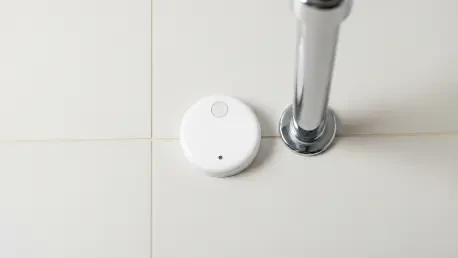
Beyond the realm of simple convenience, certain smart gadgets are specifically engineered to prevent catastrophic financial losses resulting from undetected water damage. Smart leak detectors serve as a permanent safety net, utilizing sensitive metal probes to detect the presence of moisture in areas prone to drips, such as under sinks or near water heaters. When a leak is identified, these devices trigger a loud audible alarm while simultaneously sending an urgent notification to the homeowner’s smartphone, allowing for immediate intervention before a minor drip turns into a flood. Because these sensors are designed with extreme water resistance and exceptionally long battery lives, they can remain stationed in dark, damp corners for years without needing attention. The cost of one of these inexpensive sensors is a microscopic fraction of the thousands of dollars typically required for mold remediation or floor replacement, making them perhaps the most practical investment any homeowner can make in the long-term health of their property.
Tracking Wellness and System Sustainability
The scope of the modern smart home has expanded to include personal health and wellness, primarily through the use of affordable smart scales that track a wide array of physiological metrics. Unlike traditional scales that only provide a total weight, these advanced devices use bioelectrical impedance analysis to calculate body mass index, body fat percentage, and muscle mass. This data is automatically synchronized with popular health applications, allowing users to visualize their fitness progress through detailed charts and trends over several months. This shift toward a data-driven lifestyle helps individuals make more precise adjustments to their exercise routines and nutritional intake, demonstrating that smart technology is as much about self-improvement as it is about environmental control. By integrating health data into the broader home ecosystem, users can create a more holistic view of their well-being, proving that technology can be a powerful ally in maintaining a healthy lifestyle.
The move toward a “modular” smart home philosophy proves that high-quality automation is no longer dependent on a massive initial investment or professional expertise. By selecting individual devices that adhere to open standards and carry high community ratings, anyone can build a sophisticated, interconnected system one piece at a time. This approach allows the smart home to grow alongside the user’s needs and budget, ensuring that each new addition provides immediate value without complicating the existing setup. The sustainability of such a system relies on the continued availability of affordable, high-performing components that offer lasting utility to a broad demographic. Ultimately, the true value of these devices is found in their ability to provide peace of mind, physical safety, and time efficiency. As technology continues to advance, the ability to maintain a high-tech living environment for a nominal cost will become the standard for modern living, ensuring that the benefits of automation remain accessible to everyone.
The path toward a fully integrated smart home became much clearer once the focus shifted from expensive all-in-one solutions to affordable, high-quality components. Homeowners discovered that by investing in specific gadgets under the thirty-dollar mark, they could address immediate needs like security and energy efficiency without straining their finances. This modular strategy allowed for a gradual expansion, where each new device added a layer of convenience or protection that felt earned rather than forced. The success of this approach was rooted in the careful selection of devices with proven track records and strong ecosystem compatibility. By prioritizing the most critical areas of the home first, such as lighting and entry points, users built a foundation of technology that remained reliable over time. Moving forward, the most effective way to maintain this system was to stay informed about emerging standards and to continue adding specialized sensors that solved specific household problems. This method of intentional, budget-conscious growth ensured that the smart home remained a helpful tool rather than a complicated burden.