
Integrating field construction expertise during the initial 10% of a project’s lifecycle significantly increases the probability of meeting long-term reliability targets. In an era where the demand for consistent and high-capacity electrical power is surging due to the mass adoption of electric vehicles and the expansion of energy-intensive data centers, the infrastructure supporting these needs remains precariously outdated. The current state of the utility sector reveals a troubling trend where large-scale transmission and substation projects are frequently mired in bureaucratic and logistical delays that extend well beyond their original completion dates. These setbacks are no longer isolated incidents but represent a systemic crisis that threatens the stability of the modern grid. To address these challenges, the industry must look beyond simple site management and reconsider the fundamental architecture of project planning and execution. The complexity of modern utility work necessitates a departure from traditional linear workflows, moving instead toward a more integrated and proactive model that anticipates friction points long before they manifest in the field. This shift requires a deep understanding of the interlocking factors that cause projects to stall, from initial regulatory filings to the final commissioning of critical assets.
The persistent nature of these delays has created a bottleneck in the transition toward a cleaner and more diversified energy portfolio. While thousands of megawatts of renewable energy capacity are ready for deployment, the physical connection to the grid remains the primary barrier to entry. This congestion not only limits the availability of green power but also puts immense strain on existing, aging infrastructure that was never designed to handle such variable loads. Solving the utility construction delay crisis is therefore not just a technical or financial necessity; it is a fundamental requirement for maintaining national energy security and fostering economic growth. As utility leaders and project managers navigate this landscape, the focus must remain on bridging the gap between high-level engineering designs and the practical, often messy reality of field construction. By addressing the root causes of these delays with precision and transparency, the industry can begin to reclaim lost time and build the resilient energy network required for the decades ahead.
The Financial Impact: Economic Consequences for Consumers
Delays in major utility infrastructure projects create a massive financial burden that eventually trickles down to every household and business in the country. When a high-voltage transmission line or a critical substation project stalls, it creates a phenomenon known as grid congestion. This congestion prevents the most cost-effective energy from reaching its destination, forcing regional transmission organizations to rely on older, more expensive local power plants to meet immediate demand. Recent industry reports suggest that these inefficiencies are costing the economy billions of dollars annually in unnecessary expenditures. These costs are rarely absorbed by the utility companies themselves; instead, they are often passed directly to consumers through increased electricity and gas rates. In many jurisdictions, the public utility commissions are seeing a rise in rate cases specifically designed to recoup the interest and overhead costs associated with projects that have languished for years beyond their initial schedules.
The broader economic reality changes the perspective on project management from a purely corporate concern to a vital public service mandate. Allowing a project to drift off schedule is not merely a loss of efficiency for a private developer or a public utility; it is a direct failure to provide the public with a competitive and stable energy market. When industrial manufacturing facilities face unpredictable energy costs or localized brownouts due to delayed grid reinforcements, they lose their global competitiveness, which can lead to job losses and reduced regional investment. Solving the delay crisis is therefore essential for maintaining national economic stability and ensuring that energy remains affordable for all sectors of society. By treating every day of a delay as a direct drain on the national economy, stakeholders can foster a sense of urgency that is often missing from the current, more relaxed approach to infrastructure development.
The Regulatory Landscape: Navigating Inter-Agency Friction
Utility construction is significantly more complex than standard commercial building because it involves a tangled web of regulatory and physical obstacles that are unique to the energy sector. Projects often cross several different municipal, state, and federal jurisdictions, requiring a difficult synchronization of approvals that rarely align perfectly in terms of timing or requirements. For instance, a transmission line passing through multiple counties might require separate environmental impact studies, land-use permits, and historical preservation clearances, each with its own public comment period and appeal process. The lack of a unified or streamlined federal permitting process means that even a minor local objection can trigger a ripple effect that halts progress across an entire multi-state corridor. This regulatory friction is often cited as the single largest contributor to project timelines stretching from a planned five years to an actual ten or fifteen years.
Beyond the administrative hurdles, working on aging rights-of-way often reveals decades of legal disputes or undocumented physical obstructions that can stop a project in its tracks. As utilities attempt to upgrade existing paths, they frequently encounter modern encroachments—such as buildings, pools, or landscaping—that were added by property owners who were unaware of the utility’s legal easement rights. Resolving these disputes often requires lengthy legal intervention or expensive redesigns to reroute the infrastructure around the new obstacles. Furthermore, public scrutiny of new infrastructure has reached an all-time high, with local communities becoming increasingly active in debating and litigating project sites through social media and organized advocacy. These factors create an environment where any small oversight during the initial routing or permitting phase can snowball into a multi-year delay during the actual construction phase, making meticulous early planning more critical than ever.
Project Failure Roots: The Impact of Poor Preconstruction
Most significant delays in the utility sector are actually the result of decisions made long before the first piece of heavy machinery arrives at the job site. Statistical analysis of failed or delayed projects suggests that approximately 80% of the problems encountered during the build phase are the “seeds” of poor preconstruction planning and unrealistic schedule baselines. When a project starts with a vague scope or fails to account for the actual field conditions, it is almost certain to face significant hurdles that lead to change orders and work stoppages. Often, owners choose contractors based solely on the lowest initial bid rather than specialized skill or proven track record in complex environments. This “race to the bottom” in pricing frequently leads to the selection of teams that lack the experience to navigate the specific technical or environmental challenges of a high-voltage project, resulting in costly rework and safety incidents that further jeopardize the schedule.
The supply chain has also emerged as a major breaking point in the current construction landscape, particularly regarding critical long-lead equipment like large power transformers and high-voltage circuit breakers. Lead times for these essential units have increased dramatically, sometimes stretching to nearly three years due to limited domestic manufacturing capacity and high global demand. The traditional method of waiting until a design is 100% complete before ordering equipment is no longer a viable strategy; waiting too long to secure a manufacturing slot can push a project’s completion date back by half a decade or more. This necessitates a shift toward preliminary procurement, where utilities must commit to purchasing major assets based on early-stage engineering. Without this proactive approach, projects are often left in a state of limbo, with civil work completed and crews ready, but no equipment available to install, leading to massive mobilization and demobilization costs.
Workforce Realities: Addressing the Skilled Labor Shortage
Compounding the logistical and supply chain issues is a severe shortage of skilled labor and an aging workforce that is quickly heading toward retirement across the North American utility sector. The industry requires hundreds of thousands of additional workers at the exact moment that grid investment is reaching record-high levels to support the energy transition. This “silver tsunami” of retiring journeymen means that decades of institutional knowledge and field expertise are leaving the industry faster than new talent can be recruited and trained. The specialized nature of utility work, particularly in high-voltage substations and transmission lines, requires years of rigorous training and apprenticeship. There is a growing gap between the demand for these high-skill roles and the number of qualified individuals available to fill them, leading to a fierce competition for talent that drives up project costs and creates scheduling bottlenecks.
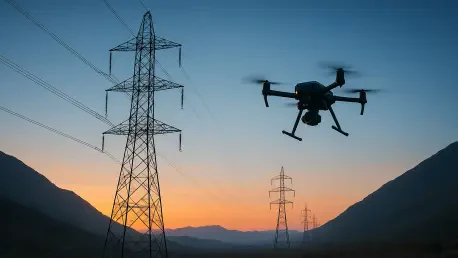
Without a sufficient pool of qualified lineworkers, substation electricians, and specialized project managers, utility companies are often forced to make difficult choices between waiting for experienced labor or taking risks with less seasoned crews. Utilizing less experienced workers can lead to a significant increase in safety concerns and a higher frequency of technical errors, both of which are primary drivers of construction delays. Furthermore, the specialized equipment required for utility work—from bucket trucks to heavy-duty wire tensioners—is only as effective as the people operating it. The labor shortage is not just a numbers game; it is a quality and safety issue that directly impacts the reliability of the construction process. To solve the delay crisis, the industry must invest heavily in workforce development programs and embrace technological aids, such as augmented reality for training and drone-based inspections, to maximize the productivity and safety of the available labor force.
Proactive Management: Strategies for Modern Infrastructure
To combat the multifaceted challenges of modern utility construction, successful project owners are moving toward the early integration of construction management experts. By bringing in field experts during the preliminary design phase, potential constructability problems can be identified and solved on paper rather than in the mud of a construction site. This ensures that the final engineering design is actually buildable within the real-world constraints of the site, the available budget, and the current labor market. For example, a construction expert might identify that a proposed foundation design is impractical due to high groundwater levels or that a specific access road cannot support the weight of a transformer delivery. Identifying these issues early allows for design modifications that avoid the catastrophic delays and expensive change orders that occur when these problems are discovered in the middle of the build phase.
Another key strategy involves treating permitting and procurement as active operational disciplines rather than simple administrative tasks. Leading utilities are now locking in manufacturing slots for critical equipment based on preliminary designs to avoid the long wait times that have become common in the current market. This proactive procurement model requires a high level of trust and collaboration between the utility, the engineering firm, and the equipment manufacturer. Likewise, engaging with regulatory agencies and local communities early and often helps to compress approval timelines and prevents the “domino effect” where one missed permit window causes a procurement or labor crisis. By establishing a transparent and collaborative relationship with all stakeholders, project managers can build the social and political capital necessary to navigate the inevitable challenges that arise during a multi-year infrastructure project.
Integrated Oversight: Building a Resilient Future Grid
Managing modern utility projects requires a fundamental shift from simply monitoring a contractor to providing active, integrated oversight throughout the entire project lifecycle. The most critical period for any infrastructure project is the first ten percent of its duration, where high-level decisions regarding contracts, procurement, and risk allocation are made. Having a knowledgeable advocate for the owner who understands both the complex engineering requirements and the harsh reality of field work can ensure that the project stays on its intended track from day one. This advocate acts as a bridge between different silos—such as legal, environmental, engineering, and construction—ensuring that information flows freely and that decisions are made with the total project goal in mind rather than just a single department’s narrow objectives.
The industry successfully transitioned toward a model where shared ownership of the construction schedule became the new standard for excellence. Instead of allowing a general contractor to hold all scheduling information in a vacuum, owners and builders co-developed the timeline as a dynamic, shared tool. This level of transparency allowed project managers to identify early warning signs and make adjustments weeks before a minor delay reached a point of no return. By moving away from old, adversarial ways of working and embracing a more collaborative, proactive approach, utility leaders protected their projects from significant financial and reputational damage. These integrated oversight practices ensured that the massive investments in the energy grid resulted in a modern, reliable system that was delivered on time and within budget, effectively securing the national energy future through disciplined management and strategic foresight.