
Expanding the federal safety and construction framework to include larger-scale residential buildings could significantly increase the density of affordable housing units in urban areas. This initiative, formalized under the Next Generation Manufactured Housing Action Plan, represents the most substantial update to federal housing standards in decades. By reimagining the structural requirements for factory-built homes, the Department of Housing and Urban Development is dismantling regulatory barriers that once limited these structures to rural environments. The primary objective is to align assembly-line efficiency with the aesthetic and functional needs of modern neighborhoods. This shift comes at a critical juncture where the gap between housing supply and demand has reached record levels. The federal government is moving beyond the legacy of the HUD Code to embrace a flexible system that prioritizes innovation, sustainability, and rapid deployment across diverse geographic regions.
The Evolution: Chassis-Free Construction Standards
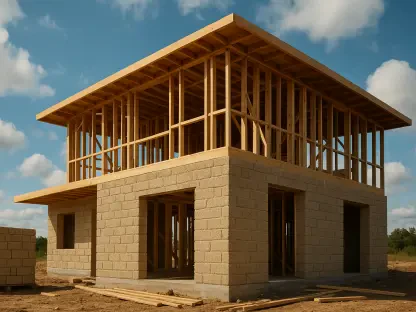
A pivotal element of this modernization is the repeal of the mandatory permanent steel chassis requirement, a move enabled by recent legislative shifts. Historically, manufactured homes were tethered to a mobile frame, which dictated their floor plans and often relegated them to specific zoning districts. Under the new guidelines, manufacturers can now employ chassis-free designs that utilize traditional perimeter foundations or advanced anchoring systems. This change allows factory-built homes to integrate seamlessly into existing residential streetscapes, appearing indistinguishable from site-built homes while retaining the speed and cost benefits of a controlled environment. By removing the weight and height constraints associated with a permanent steel frame, builders are experimenting with multi-story designs and more complex architectural footprints. This freedom encourages a new generation of designers to enter the space, creating homes that meet the diverse needs of families.
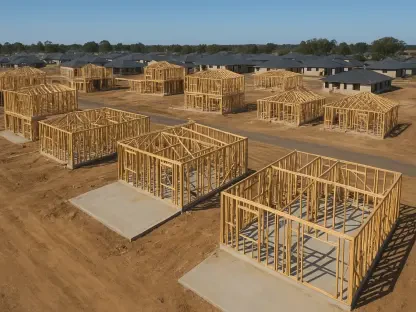
The transition to these updated standards is also facilitating a merger between the modular and manufactured housing sectors. Previously, these two industries operated under distinct regulatory silos, with modular builders adhering to local codes and manufactured builders following federal rules. By streamlining the federal oversight process, HUD is making it easier for traditional off-site builders to transition into the federal framework, which provides a more consistent regulatory environment across state lines. This regulatory reciprocity is expected to attract significant private investment between 2026 and 2028, as developers seek to capitalize on the reduced lead times offered by high-tech factory production. Furthermore, the inclusion of modern materials and digitized fabrication techniques ensures that these homes meet the same durability standards as their site-built counterparts. The industry is witnessing a shift where the factory is now a sophisticated hub for construction.
Strategic Implementation: Outcomes and Forward Progress
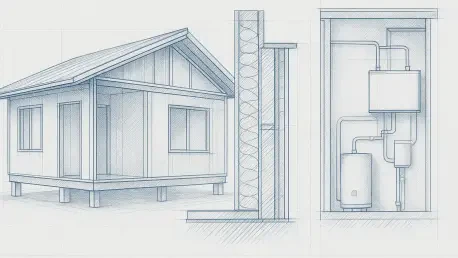
Alongside structural changes, the modernization plan introduces stringent new performance-based standards for energy efficiency. These updates are designed to lower the total cost of homeownership by significantly reducing monthly utility expenditures for residents. The department is implementing guidelines that require improved thermal envelopes, high-efficiency mechanical systems, and the integration of smart home technologies as standard features. These requirements are not merely suggestions; they are integrated into the federal certification process, ensuring that every home leaving the factory meets a high baseline for environmental performance. This focus on sustainability aligns with broader national goals to modernize the power grid and reduce carbon emissions from the residential sector. By mandating these improvements at manufacturing levels, the federal government is ensuring that families are not left behind in the transition to a greener economy for the nation.
The successful deployment of this modernization plan relied on a multi-faceted approach that addressed practical hurdles such as zoning, appraisals, and lending practices. HUD provided comprehensive resources to local jurisdictions to help them update their land-use policies, ensuring that chassis-free homes were treated fairly in the marketplace. Financial institutions also received guidance on how to properly appraise and finance these new housing types, which helped stabilize the secondary mortgage market for factory-built homes. By fostering a collaborative environment between regulators, manufacturers, and lenders, the department created a robust ecosystem capable of delivering high-quality housing at scale. Moving forward, the focus shifted toward continuous improvement and the adoption of advanced construction robotics to further drive down costs. Policymakers recognized that maintaining this momentum required ongoing dialogue with industry stakeholders to ensure that the code remained responsive.