
A notable rise in hip to gable loft conversions across residential streets like Nightingale Lane reflects a growing trend of homeowners expanding upward to avoid the high costs of relocating. This architectural shift serves as a microcosm for the broader evolution occurring throughout the London Borough of Bromley, where the pressure for modern living space meets a steadfast commitment to suburban preservation. As the largest borough in London by area, Bromley occupies a unique position, acting as a gateway between the dense urban sprawl of the inner city and the sprawling greenery of the North Downs. The current planning landscape is characterized by a sophisticated balancing act where every major development proposal is weighed against its impact on the local character. This is not merely about adding square footage; it is about a strategic reconfiguration of existing land to accommodate a growing population without sacrificing the very green identity that makes the area desirable. From the bustling High Street to the quieter enclaves of Chislehurst, the borough is witnessing a transformation that prioritizes efficiency, sustainability, and aesthetic continuity in an increasingly crowded metropolitan region.
The tension between growth and heritage is most visible in the way the local council manages the intersection of private property rights and public environmental benefits. While developers push for higher density and more modern aesthetics, the planning authority remains a vigilant gatekeeper of the borough’s historic and natural assets. This involves a rigorous review process for everything from large-scale commercial renovations to minor residential tweaks like the installation of solar panels or the pruning of a protected oak tree. By enforcing strict design codes and environmental standards, the council ensures that new additions to the skyline do not overshadow the existing architectural fabric. This methodical approach allows the borough to evolve into a more functional urban hub while maintaining the leafiness and tranquility that define its suburban appeal. As we look at the specific projects taking shape across the region, it becomes clear that Bromley is not just growing larger; it is growing smarter, utilizing advanced planning tools and community-driven initiatives to navigate the complexities of modern urbanism in the mid-2020s.
Modernizing Civic Assets and Retail Centers
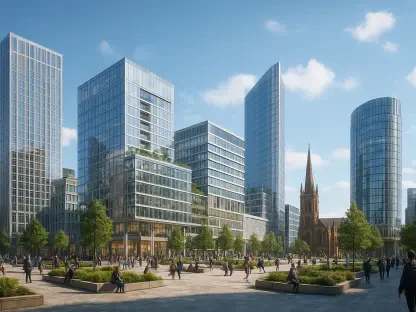
The modernization of Bromley’s central core is perhaps best exemplified by the ambitious plans for the Central Library on the High Street. This project aims to go beyond simple maintenance, proposing a comprehensive recladding of the building’s exterior to provide a more contemporary aesthetic while simultaneously updating its internal functions. By shifting the building’s designation toward a more flexible Use Class E category, the council is preparing for a future where civic buildings serve multiple purposes, integrating commercial, office, and community spaces under one roof. This transition is essential for ensuring that high-street assets remain viable and vibrant in an era where traditional retail and administrative functions are being redefined. The focus is on creating a multi-functional hub that can adapt to the changing needs of the local population, providing a centralized location for both work and leisure that supports the local economy. Such developments are crucial for maintaining the relevance of the town center as a primary destination for residents and visitors alike.
Complementing the changes at the library, major retail and leisure facilities are also undergoing significant technical upgrades to meet the demands of a modern consumer base. At The Glades shopping center, recent initiatives have focused on enhancing the underlying infrastructure, including sophisticated refinements to power distribution and ventilation systems. These updates are designed to support a higher density of retail activity and provide a more comfortable environment for shoppers, ensuring the facility remains a cornerstone of the borough’s commercial identity. Simultaneously, Bromley Football Club has taken a leadership role in sustainability by proposing the installation of high-efficiency solar panels on its South Stand. This move represents a wider borough-wide trend toward integrating renewable energy into large-scale community and sports facilities. By investing in green technology, these institutions are not only reducing their operational costs but also setting a precedent for environmental responsibility that resonates across both the public and private sectors.
Residential Trends: The Rise of Domestic Engineering
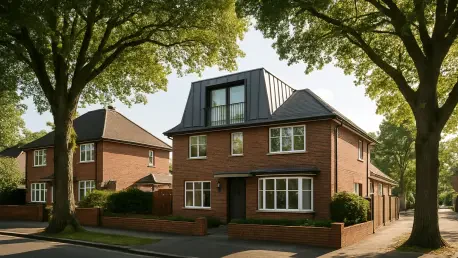
The residential sector is currently defined by a “renovate over relocate” philosophy, as homeowners seek to maximize the value and utility of their existing properties. This has led to a sophisticated wave of “hip to gable” loft conversions, particularly in neighborhoods where traditional semi-detached housing is prevalent. These projects are often paired with the installation of rear dormers and Juliet balconies, which transform underutilized attic spaces into bright, expansive master suites or home offices. The architectural challenge in these cases is to provide significant internal volume while ensuring the external profile remains sympathetic to the original streetscape. By utilizing high-quality materials and thoughtful design, residents are able to achieve a modern living standard within a traditional suburban framework. This trend highlights a shift toward more permanent, high-investment residential improvements that cater to the long-term needs of growing families who are committed to staying within the Bromley community.
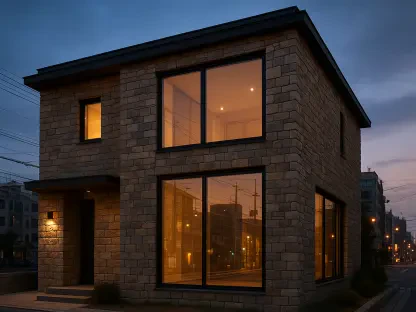
Beyond the roofline, the ground floors of many Bromley homes are being reimagined through substantial rear and side extensions. These projects frequently involve the removal of outdated conservatories or detached garages to make way for large, open-plan kitchen and dining areas that blur the line between indoor and outdoor living. The emphasis is on creating functional, light-filled spaces that can accommodate the multi-faceted demands of contemporary life, from hosting family gatherings to providing dedicated areas for remote work. This “infilling” of the property footprint allows for a more efficient use of land in established areas like Beckenham and West Wickham, where available space is at a premium. Furthermore, the conversion of remaining garage spaces into gyms, studios, or secondary living annexes reflects a declining need for traditional car storage in favor of specialized lifestyle rooms. These modifications demonstrate how the borough’s residents are proactively adapting their environments to better suit a world where the home has become the central hub for nearly all daily activities.
Preserving the Canopy: Environmental Stewardship in the Suburbs
Maintaining Bromley’s reputation as a “green” borough requires an intensive and often granular approach to environmental management, particularly regarding the local tree population. A substantial portion of the planning department’s daily activities is dedicated to reviewing applications for work on trees located within conservation areas or those protected by specific Tree Preservation Orders. Residents must navigate a complex set of regulations even for routine maintenance tasks such as crown thinning, deadwood removal, or height reduction. This level of oversight is vital for preserving the health and aesthetic value of the local canopy, which provides essential ecosystem services including air purification, temperature regulation, and habitat for local wildlife. The council’s rigorous standards ensure that the removal of any tree is a measure of last resort, typically reserved for instances where disease, decay, or structural instability pose a direct threat to public safety or property integrity.
The protection of specific heritage species, such as mature Oak, Walnut, and Sweet Chestnut trees, is a particular priority for the borough’s arboricultural officers. When homeowners propose work on these protected specimens, they are often required to provide detailed justifications and professional assessments to prove that the proposed interventions will not compromise the tree’s long-term viability. This defensive posture toward the natural environment acts as a necessary counterweight to the constant pressure for urban expansion and property development. By treating the borough’s greenery as a critical piece of infrastructure rather than a mere aesthetic backdrop, Bromley successfully maintains its unique character as a wooded suburban retreat. This commitment to environmental stewardship ensures that as the built environment becomes more dense, the natural world continues to thrive, providing a high quality of life for residents who value their proximity to nature within the Greater London area.
Urban Infilling and Adaptive Property Use
As the demand for housing continues to outpace new construction, Bromley has embraced the strategy of adaptive reuse, particularly through the conversion of redundant commercial spaces into residential units. This process, often facilitated by permitted development rights, allows for the rapid creation of modern flats within existing building envelopes, particularly in well-connected areas like Penge and Beckenham. By repurposing former offices and retail outlets, the borough is able to increase its housing stock without encroaching on greenfield sites or the protected Green Belt. These projects are often targeted at younger professionals and small families, providing a more affordable entry point into the local property market while breathing new life into underutilized urban corners. The success of these conversions relies on careful internal reconfiguration to ensure that the new residential units meet modern standards for light, space, and energy efficiency, proving that old structures can indeed be taught new tricks.
In addition to large-scale conversions, the borough is seeing an increase in small-plot infilling, where single older dwellings or vacant parcels of land are replaced with multiple high-quality homes. This approach to densification requires a delicate touch to ensure that the new developments do not overwhelm the existing neighborhood character or place an undue burden on local infrastructure. Planning applications for these projects are scrutinized for their impact on privacy, sunlight, and traffic, with a strong emphasis on maintaining a harmonious streetscape. We are also seeing more creative uses for vacant or agricultural land, such as the strategic placement of commercial facilities like car washes or storage units, provided they adhere to strict environmental and noise mitigation standards. This flexible approach to land use ensures that every square meter of the borough is utilized to its highest potential, supporting a diverse range of economic activities while maintaining the orderly development patterns that define the region’s suburban charm.
Technical Governance and Sustainable Development Standards
Modern planning in Bromley is increasingly governed by a set of rigorous technical and environmental benchmarks that every developer must meet before a single brick is laid. One of the most significant requirements in the current landscape is the submission of biodiversity enhancement plans, which mandate that new projects must contribute a measurable net gain to the local ecosystem. This might involve the installation of green roofs, the planting of native hedgerows, or the creation of specialized habitats for bats and birds, ensuring that development does not lead to a loss of natural variety. By integrating these ecological requirements into the earliest stages of design, the borough ensures that sustainability is not just an afterthought but a foundational element of every new construction project. This technical oversight extends to the selection of sustainable building materials and the implementation of energy-efficient heating and cooling systems, aligning local growth with national environmental targets.
Beyond environmental factors, the council maintains a high standard for construction management to minimize the impact of development on the daily lives of existing residents. Applicants are often required to provide comprehensive plans detailing how they will manage noise, dust, and light pollution during the building phase, as well as strategies for coordinating construction traffic to avoid local congestion. Acoustic assessments are a common requirement for new commercial or industrial units, ensuring that their operation will not disturb the peace of adjacent residential areas. Even the smallest details, such as the specific materials used for window frames or the placement of external lighting, are subject to review to ensure they meet the borough’s high quality-of-life standards. This meticulous level of technical governance provides a sense of security for the community, knowing that while the borough is constantly evolving, it is doing so under the watchful eye of an authority committed to maintaining a high-quality, sustainable environment.
Strategic Evolution of the Suburban Landscape
The successful navigation of Bromley’s growth during this period demonstrated that the preservation of green identity was not an obstacle to progress, but rather a catalyst for higher quality development. By requiring developers to integrate biodiversity net gains and energy-efficient technologies from the outset, the local authority fostered a culture where architectural innovation was tied directly to environmental performance. Homeowners who invested in sophisticated loft and garage conversions contributed to a more resilient housing market that prioritized the optimization of existing assets over the consumption of new land. This collective effort ensured that the borough remained a highly desirable location for those seeking a balance between urban opportunity and suburban tranquility. The rigorous oversight of the local canopy and the strict enforcement of tree preservation orders proved essential in maintaining the aesthetic and ecological health of the region, even as the population density increased in key transport hubs.
To build on these past successes, future planning strategies should focus on further integrating smart-city technologies and decentralized energy grids into the existing residential fabric. Residents and local businesses would benefit from exploring community-led energy cooperatives, potentially utilizing the rooftops of expanded residential blocks for collective solar power generation. The lessons learned from the successful conversion of commercial assets in Penge and Beckenham suggested that more aggressive incentives for adaptive reuse could further alleviate housing pressures without compromising the Green Belt. Moving forward, it is recommended that the borough continues to refine its design codes to encourage even more ambitious sustainable architecture while simplifying the application process for minor environmental enhancements. By maintaining this proactive stance, Bromley can ensure that its evolution remains a model for other metropolitan fringes, proving that a borough can grow into a modern urban powerhouse while keeping its roots firmly planted in its green heritage.