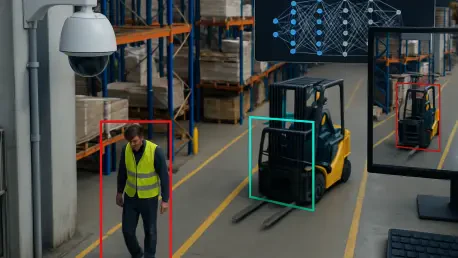
The transition to AI-driven safety management is driven by the need for structured data processing in environments where manual oversight is prone to error. Industrial sites currently face an unprecedented volume of operational data, making it nearly impossible for human safety officers to monitor

The core issue hindering the smart home revolution is the consistent inability of advanced AI models to perform foundational tasks like managing lights and climate control. Despite the immense hype surrounding multi-modal reasoning and natural language processing, the translation from a digital

During the final reveal of the property, the production team had to maintain a summer-ready appearance for the cameras despite a rare Florida cold snap with near-freezing temperatures. This logistical hurdle required creative lighting and wardrobe choices to ensure the televised segment matched the

The decision to merge three separate construction phases into a single intensive build has created a temporary financing vacuum that keeps the Ahwatukee project's building permits on a requested hold. This architectural and financial pivot at the Southpointe Apartments site, formerly known as the

The bottleneck created when site data remains trapped in physical notebooks is a primary target for new field-service management software solutions. For years, the American construction industry relied on fragmented communication and manual recording, which led to significant delays and

Successful early adopters have demonstrated that starting with high-impact systems like chillers and air handlers provides the necessary proof of concept for broader rollouts. This tactical entry point allows facility managers to witness immediate gains in energy efficiency and predictive