

Gurgaon, a prominent business epicenter in India, is undergoing a significant transformation with the rise of smart buildings that are revolutionizing the concept of modern workspaces. Beyond merely redefining office environments, these structures serve as vibrant communities catering to the needs

Artificial intelligence has transformed countless industries through enhanced efficiency and novel capabilities, profoundly impacting the construction sector. This industry has increasingly acknowledged AI's potential to improve operational processes, particularly in architecture and engineering. A
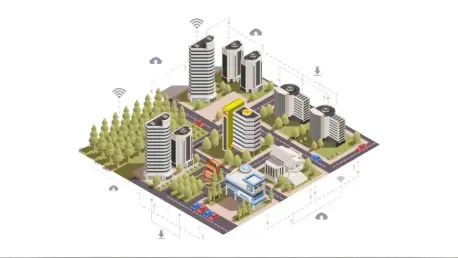
In an era where climate change and sustainability dominate the architectural discourse, the FlectoLine façade system emerges as a groundbreaking innovation. This smart façade solution is engineered to enhance building energy efficiency by dynamically adapting to varying weather conditions.

The smart home technology landscape continues to evolve rapidly, with companies racing to deliver more seamless and integrated solutions to meet consumers' growing expectations. Hisense has embarked on a notable strategic initiative to enhance its smart home ecosystem by integrating Google's new
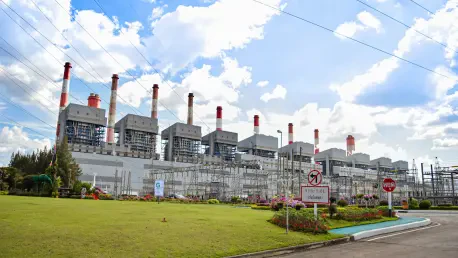
The global offshore energy industry is witnessing a pivotal transformation with the recent strategic partnership between GATE Energy and HD Hyundai Heavy Industries (HHI). This significant alliance was formalized through a Memorandum of Understanding (MOU), signifying a robust collaboration in

In the ever-evolving world of home design and innovation, HGTV has unveiled a stunning transformation that redefines contemporary living standards with an impressive blend of technology and design. The result is an awe-inspiring renovation of a classic mid-century modern home, originally built in