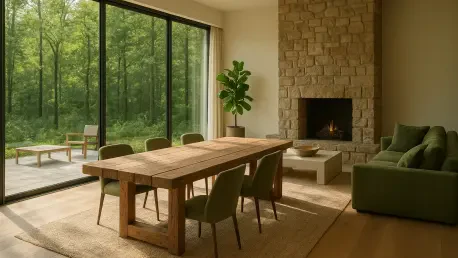

The integration of tactile materials like wood and stone is essential for creating the visual continuity Joanna Gaines seeks in her renovation projects. In the current design landscape of 2026, the focus has shifted significantly toward intentionality, where the environment is treated as the primary inspiration for indoor living. Gaines has championed this movement by suggesting that nature is the ultimate mentor for aesthetic harmony. When creative obstacles arise, she often advocates for stepping away from the digital noise of social media and design catalogs to find clarity in the outdoors. She believes that the natural world achieves a level of effortless perfection that human-made structures should strive to emulate. This philosophy ensures that a home feels both timeless and organically alive rather than just decorated. By viewing the residence as an extension of the surrounding landscape, she provides a roadmap for homeowners to create spaces that feel grounded and deeply connected to the physical world.
From Waco to the World
The Rise of the Magnolia Empire
The journey began in Waco, Texas, where the television series “Fixer Upper” served as the primary catalyst for a massive cultural shift in American interior design. This platform allowed for the popularization of the “modern farmhouse” aesthetic, a style defined by its neutral color palettes, rustic textures, and clean architectural lines. What was initially a local renovation endeavor quickly transformed into a sprawling business empire that includes the Magnolia Network and various retail partnerships. This evolution reflects a broader trend in 2026 where television personalities transition into lifestyle curators who influence how people inhabit their domestic spaces. The success of this model is rooted in the accessibility of the design language, which combines high-end concepts with the practicalities of everyday life. By focusing on the “home base,” Gaines has managed to maintain a consistent aesthetic across multiple platforms, ensuring that her message of hospitality and comfort resonates with a global audience.
Beyond the television screen, the expansion of the brand into diverse markets has solidified its presence in the daily lives of consumers. This growth includes the development of physical destinations such as boutique hotels and shopping districts that embody the core design values of the Magnolia brand. These spaces are not merely retail outlets but are designed to be immersive experiences that reflect a commitment to community and domesticity. The business strategy prioritizes physical interactions, encouraging visitors to experience the textures and atmospheres firsthand. This commercial success is anchored in the ability to make sophisticated design concepts feel attainable for the average person. By authoring various books and lifestyle literature, Gaines has provided a theoretical framework for her work, emphasizing the importance of creating a sanctuary within the home. This comprehensive approach has allowed her to move beyond the limitations of a single show, creating a lasting legacy that continues to shape the interior design industry.
Scaling the Magnolia Vision
As the Magnolia empire grew, the design philosophy matured, leading to a focus on scaling these principles to a variety of different environments. This necessitated a shift from purely residential renovations to a broader lifestyle strategy that incorporates retail and hospitality. The physical manifestations of the brand, such as the Silos in Waco, act as a blueprint for how commercial spaces can feel as welcoming and grounded as a private residence. This strategy involves a deep understanding of how physical environments influence human behavior, promoting a sense of ease and connection. In the current year, 2026, the emphasis remains on creating “home bases” that serve as centers for gathering and storytelling. By integrating these values into every product and project, the brand ensures a cohesive identity that resists the fleeting nature of internet trends. This dedication to a nature-inspired vision has proven that the most resonant styles are those that remain rooted in the physical world and prioritize human experience.
The transition to global design influence has also been marked by a significant emphasis on educational content that empowers homeowners to take control of their own spaces. Through various digital and print media, the focus has remained on the idea that design should be an inclusive process. This educational push helps individuals understand the logic behind design choices, such as the use of natural light or the placement of organic materials. By democratizing design knowledge, Gaines has created a community of followers who are equipped to transform their own environments. This movement is part of a larger trend in 2026 toward self-sufficiency and personalization in home improvement. The result is a more informed consumer base that values quality and longevity over disposable decor. By fostering this connection between the creator and the audience, the brand has built a foundation of trust that supports its continued expansion into new territories, reinforcing the idea that a well-designed home is the cornerstone of a fulfilling lifestyle.
The Principles of Organic Aesthetics
Harmonizing the Indoors with the Landscape
A pivotal moment in the development of this organic style was the renovation of a 1960s lakehouse, which required a significant departure from the standard farmhouse aesthetic. This project showcased a commitment to the concept of “bringing the outdoors in,” a practice that utilizes earthy color palettes to mirror the surrounding geography. Instead of relying on traditional whites and grays, the design incorporated mossy greens and stone grays to create a seamless transition from the interior to the external environment. This methodology emphasizes the importance of using materials such as raw wood, natural stone, and woven fibers to provide a tactile experience. By mimicking the textures found in nature, the home becomes a sanctuary that feels grounded and tranquil. The objective is to replicate the sensory peace found in the natural world, using specific tones to evoke a sense of calm and energy. This approach ensures that the residence does not disrupt the landscape but rather serves as a harmonious extension of it.
The focus on visual continuity is a defining characteristic of this organic design philosophy, as it ensures that the movement between spaces feels logical and fluid. In 2026, this technique is widely recognized as essential for creating a sense of balance within a home. By aligning interior design with the local topography, designers can create an atmosphere that feels both unique and universal. The use of large windows and open floor plans further enhances this connection, allowing natural light to become a primary design element. This focus on the sensory aspects of a space—such as the way light hits a textured wall or the coolness of a stone floor—creates a deeper level of comfort for the inhabitants. The design is intended to be a living entity that evolves with its surroundings, reflecting the changing patterns of the day and the specific character of the local climate. This commitment to organic aesthetics results in homes that are not just visually pleasing but are also psychologically restorative.
Embracing Heritage and Natural Imperfection
Respect for the inherent history of a structure is a fundamental pillar of the Magnolia approach, often manifesting in the careful preservation of original architectural details. Every older house is viewed as a vessel of storytelling, containing unique woodwork, built-in nooks, and historical quirks that deserve to be highlighted. This reverence for craftsmanship helps to uncover the “soul” of a home, creating a bridge between the past and the present. This methodology is balanced by a modern rejection of clinical perfection, advocating instead for the embrace of daily life’s natural “mess.” A home is viewed as a functional space meant for living rather than a curated museum where every object must remain in a fixed position. This perspective allows for a more authentic and vulnerable domestic experience, where thriving happens amidst the imperfections of reality. By celebrating the history of a building and the reality of the people living within it, Gaines fosters an environment where healing can take place.
The final considerations for a well-designed home focused on the dynamic nature of domestic spaces, which were expected to change alongside the seasons. This was particularly evident during the “reawakening” of spring, when the influx of natural light and the return of greenery prompted a refresh of the interior atmosphere. Homeowners were encouraged to view their residences as living entities that required seasonal adjustments to maintain a sense of vitality. This approach reinforced the idea that design was not a static achievement but a continuous process of evolution and connection. The design strategy aimed to facilitate community and storytelling, suggesting that the physical environment played a crucial role in fostering relationships. By creating spaces that celebrated both the beauty of nature and the inevitable imperfections of life, a framework for authentic interaction was established. Ultimately, the next steps for modern designers involved prioritizing human vulnerability and the restorative power of natural materials through 2026.