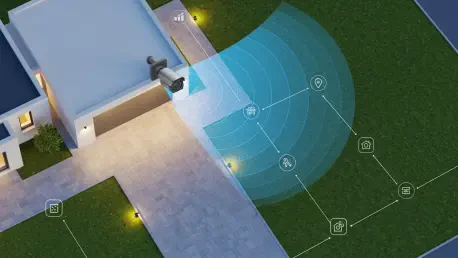
The threshold for home security has shifted significantly as the digital landscape matures, making it necessary to view hardware not as a permanent fixture but as an evolving asset. Homeowners often wait for a device to fail completely before considering a replacement, yet in the realm of smart
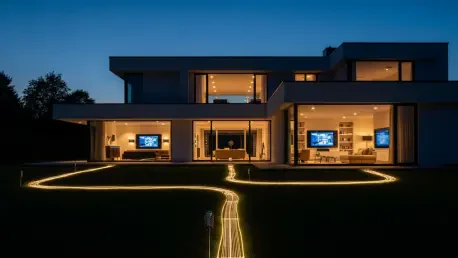
The transition from a simple living space to a fully integrated digital ecosystem has occurred with such velocity that many residential properties now consume more data than small offices did just a few years ago. This evolution is spearheaded by the Internet of Things, a network of interconnected
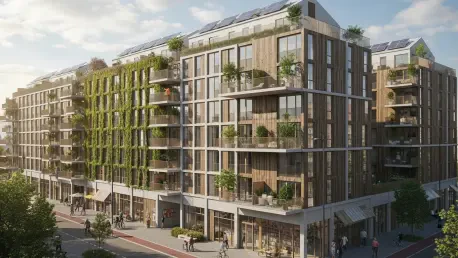
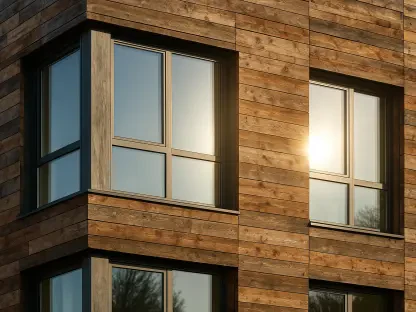
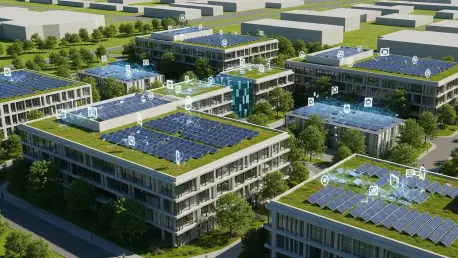
The rapid acceleration of urbanization across major global hubs has created an unprecedented demand for residential spaces that prioritize environmental integrity without compromising on human comfort or aesthetic appeal. This specific project represents a significant departure from traditional
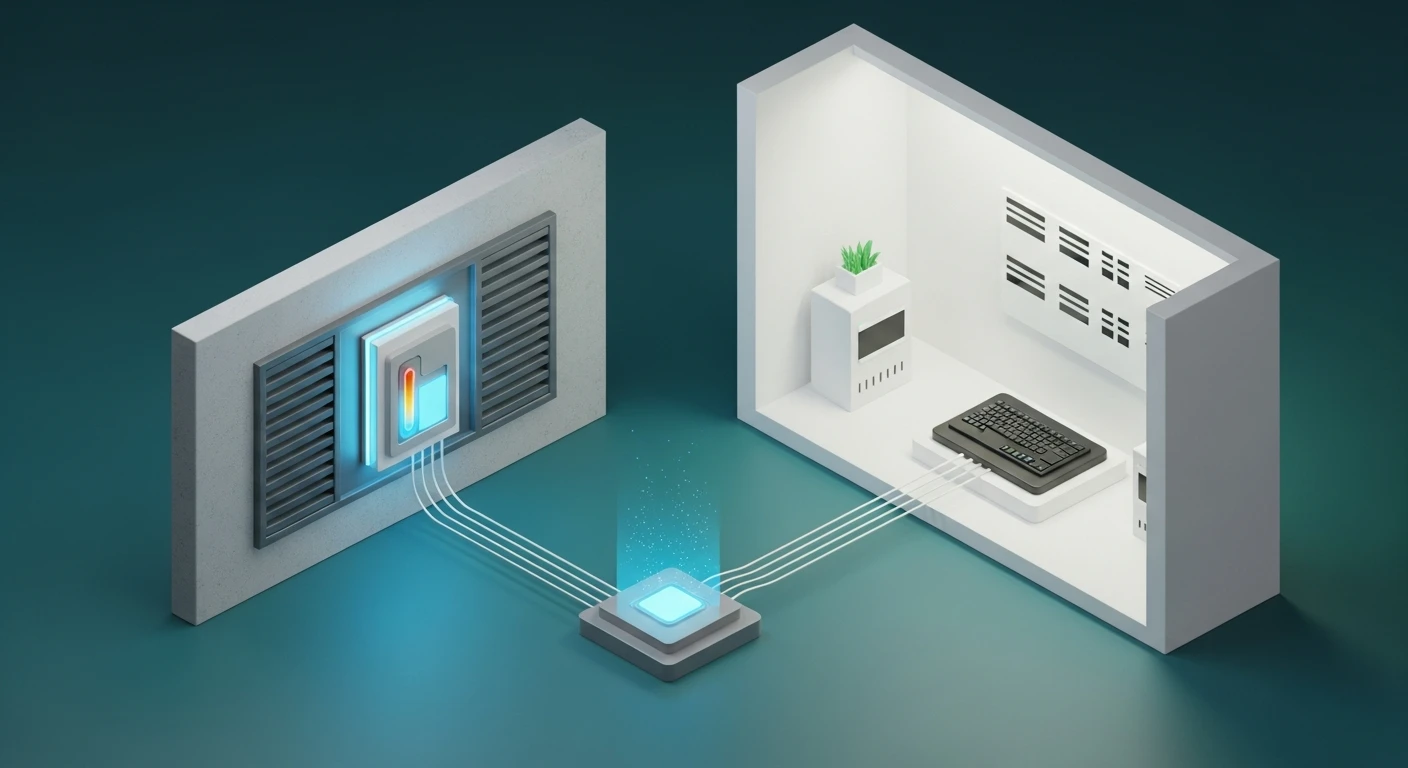
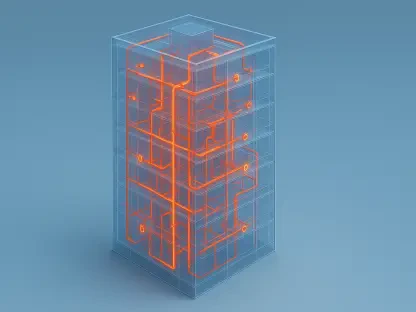
The staggering realization that a single large-scale commercial office tower can house more than ten thousand individual battery-powered sensors has fundamentally changed how facilities managers view the sustainability of their digital infrastructure. While the initial promise of smart building
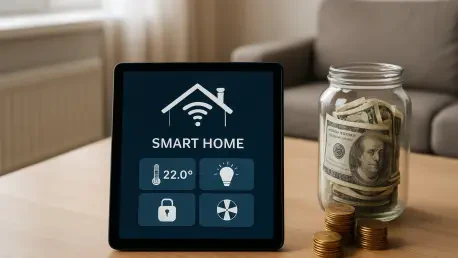
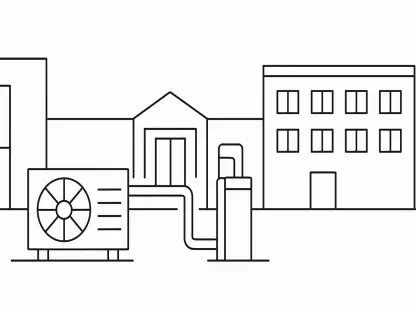
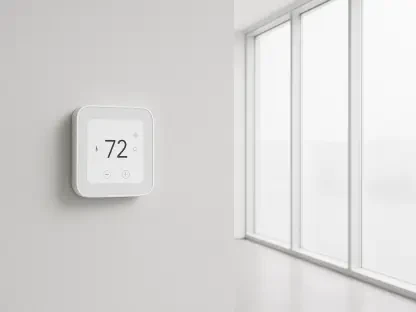
Household maintenance costs continue to climb across the United States, placing a significant burden on families who now face an average monthly utility expenditure approaching six hundred dollars. This financial reality is particularly stark in regions like Hawaii or California, where high
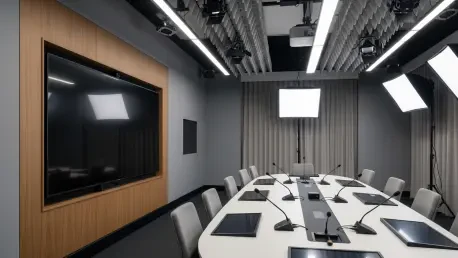
The traditional concept of a centralized office has fundamentally dissolved into a multifaceted ecosystem where the physical environment acts as a catalyst for human performance rather than a mere container for desks. As hybrid work transitions into a mature phase of development, the emphasis has