
Innovative wall solutions using bamboo from WPBaltic and Metroks demonstrate a growing consumer appetite for sustainable surfaces that offer both durability and style. This specific trend is a microcosm of a much larger cultural shift occurring as we approach the end of the year, where the cold, industrial minimalism of the early 2020s has been replaced by a deep-seated desire for organic warmth and tactile authenticity. In late 2026, the global aesthetic is no longer defined by what is the most technologically advanced, but by how technology can be hidden or integrated to serve human sensory needs. This movement toward “individualization” has become the primary driver of consumption, influencing everything from interior design to the way heritage brands manage their economic portfolios. As individuals seek to reclaim their personal spaces from the uniformity of mass production, they are turning to materials and experiences that tell a story, prioritizing emotional resonance over mere functional utility. This transition suggests a society that has reached a level of digital maturity where the focus is finally returning to the physical and psychological well-being of the human inhabitant.
Human-Centric Environments and Domestic Sanctuaries
The Return to Natural Materials and Textures
Interior design philosophy in 2026 has undergone a fundamental transformation, moving away from rigid structures toward a concept of “naturalness” that emphasizes the unique character of organic textures. Industry experts such as Edgars Skara note that the contemporary homeowner is actively seeking out “natural imperfections” in their living environments, viewing these traits as signs of authenticity rather than flaws. This has led to a significant resurgence in the use of raw stone and wood, with companies like Kivisepad and Ulle leading the way in integrating massive stone elements into residential settings. Meanwhile, firms like INTAR-SIJA are reimagining wood solutions, bridging the gap between historical craftsmanship and the practical requirements of modern life. The goal is no longer to create a showroom-perfect environment, but to provide a space that offers “pleasant sensations” through the use of authentic, grounding materials that counteract the sterility of the digital world.
Building upon this foundation of raw materials, the role of textiles and wall coverings has shifted from a secondary consideration to a primary artistic manifesto within the home. Designers like Ilme Rätsep Disain are increasingly using fabric not just for comfort, but as a central accent that defines the mood and acoustic profile of a room. This focus on the tactile extends to vertical surfaces, where sustainable bamboo panels and high-texture wallpapers are becoming standard features in luxury and middle-market homes alike. The demand for these products highlights a broader societal rejection of synthetic, flat surfaces in favor of depth and complexity. By choosing materials that age gracefully and possess an inherent history, global citizens are creating domestic environments that feel less like temporary shelters and more like permanent extensions of their own physical and emotional identities, fostering a sense of long-term stability in a rapidly changing world.
The Reimagined Bathroom and Seamless Technology
The 2026 design forecast has officially reclassified the bathroom from a utilitarian necessity into a vital “personal comfort zone” or sanctuary. Leading international brands such as LAUFEN and ROCA have spearheaded this movement by introducing adaptive technologies that allow users to curate their own sensory experiences. This involves the integration of warm, sophisticated lighting and advanced tile-laying techniques from companies like Vides Tehnika, which transform a once-cold space into a center for relaxation and recovery. This evolution is driven by the realization that in an era of constant connectivity, the bathroom remains one of the few private spaces where individuals can truly disconnect. Consequently, the focus has shifted toward creating an atmosphere that promotes mental health through thoughtful ergonomics, customizable water features, and an aesthetic that mirrors the tranquility of a high-end spa rather than a functional washroom.
In tandem with this shift toward comfort, technology in the modern home is becoming increasingly “seamless,” disappearing into the very fabric of the architecture. The current trend is to avoid bulky gadgets in favor of integrated systems like those showcased by Lemona and Ledvance, where interactive lighting serves to enhance both mood and biological rhythms without being obtrusive. Smart security is also following this path of invisibility, with digital door locks from InoLock becoming a standard expectation for the modern dweller, providing safety through biometric or encrypted digital access that requires no physical key. Even professional-grade communication tools are being adapted for the home; the Hikvision Roadshow has demonstrated how high-resolution LED screens can be integrated into living room walls to serve as both digital art galleries and high-performance hubs for remote collaboration. This blurring of lines ensures that the home remains a place of high function without ever losing its character as a private, human-centric retreat.
Ergonomics, Flexibility, and Personal Curation
As the professional landscape continues to favor hybrid and remote models, the demand for furniture that adapts to the human body has reached unprecedented levels in late 2026. Brands such as LinERGO and BIOSWING have revolutionized the home office by focusing on physical health through active sitting and dynamic support systems that respond to the user’s movements. This emphasis on ergonomics is matched by a growing need for spatial versatility, leading to the rise of modular furniture collections from firms like CozyPad and Urban Living. These systems allow residents to reconfigure their living spaces throughout the day, transforming a quiet workspace into a social lounge or a fitness area within minutes. This flexibility is essential for the modern urbanite who must often maximize the utility of limited square footage without sacrificing the aesthetic quality or comfort of their environment.
This drive for flexibility is naturally paired with a move toward the “individualization” of interior spaces, where the home is treated as a curated collection of the inhabitant’s life and personality. In 2026, the trend of mass-buying furniture sets has largely vanished, replaced by a preference for mixing vintage items, personal artifacts, and contemporary fine art. Technological innovations such as Near Field Communication (NFC) are playing a crucial role in this curation; for example, the “Artists Runway” gallery concept allows guests to tap their smartphones against an artwork to instantly learn about its provenance and the artist’s history. This creates a living museum effect within the home, where every object has a narrative and a digital footprint. By merging traditional artistic expression with modern accessibility, homeowners are able to express their unique identities in a way that is both deeply personal and technologically sophisticated, ensuring that their living environment is a true reflection of their individual journey.
Fashion, Economy, and the Legacies of Icons
Fashion as a Medium for Heritage and Talent
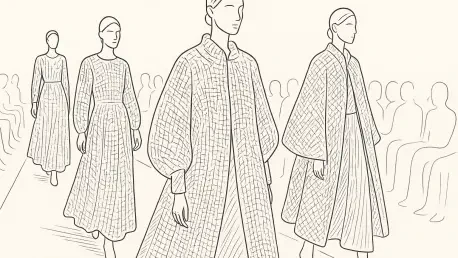
The international fashion scene in late 2026 is currently defined by a delicate balance between honoring established heritage and aggressively promoting a new wave of regional talent. This is most evident in events like Riga Fashion Week, which has become a crucial nexus for designers across the Baltic and European regions. Programs are increasingly structured to provide a platform for “young talent,” with brands like N-20 from Estonia, Valldea from Lithuania, and DEKEL from Italy gaining significant traction among international buyers and critics. Beyond the runway, the industry is engaged in a serious professional discourse regarding the mentorship of these artists. Panel discussions featuring experts from fashion capitals like Milan and Warsaw are focusing on how to provide emerging designers with the business acumen and global visibility they need to survive in a market that is increasingly dominated by digital-first consumption and fast-paced trends.
This focus on the future is mirrored by a deep respect for the past, with fashion being explored as a multi-dimensional medium for historical and artistic documentation. Major exhibitions, such as the “Celebrity Outfits” showcase at the Fashion Museum, are treating clothing as essential cultural artifacts that define specific eras of public life. Similarly, the “Rūdolfs Heimrāts 100” retrospective highlights the enduring influence of master textile artists on contemporary design. A growing movement known as the “Textile Manifesto” is even pushing the boundaries of the medium, using fibers and threads as metaphors for social and political ideas rather than just materials for garments. This approach, championed by the Latvian Academy of Arts, encourages a view of textiles as a form of fine art that connects historical craftsmanship with modern concepts of form. By framing fashion as a vital component of cultural heritage, the industry is securing its relevance as a tool for storytelling and identity preservation.
Economic Resilience in the Luxury Sector
An analysis of the global brand landscape in late 2026 reveals that heritage and long-term stability remain the most valuable assets in the luxury market. Despite broader economic fluctuations that have seen some sectors struggle, high-end automotive brands like Porsche continue to dominate valuation rankings. For the ninth consecutive year, Porsche has maintained its position as the world’s most valuable automotive brand, even as its overall valuation saw a adjustment from $41.1 billion to approximately $35.17 billion. This resilience underscores a fundamental truth about the modern luxury consumer: in times of uncertainty, they gravitate toward brands with a proven history of quality and a clear, unwavering identity. The ability of such heritage brands to maintain their prestige while transitioning toward sustainable technologies like electric propulsion has set a benchmark for the rest of the industrial sector.
Following closely in the hierarchy of economic power are the French luxury powerhouses Chanel and Louis Vuitton, with valuations of $34.34 billion and $28.81 billion respectively. These figures suggest that the “perfume, cosmetics, and high-fashion” sectors remain the most resilient pillars of the global luxury economy, providing a sense of aspirational stability to consumers worldwide. The success of these brands is largely attributed to their ability to balance exclusive craftsmanship with mass-market digital engagement, creating a multi-tiered entry point for different demographics. Even as global markets face challenges, the desire for status and artisanal excellence remains a constant. This stability indicates that the luxury sector in 2026 is not just a market for the wealthy, but a critical economic bellwether that reflects broader cultural values of quality, longevity, and the enduring power of a well-crafted brand narrative.
The Passing of Cultural Figures and Modern Icons
The latter half of 2026 has been marked by the passing of several major cultural figures whose lives spanned the transition from the traditional 20th century to the hyper-connected modern era. The death of Anatoly Kashpirovsky at age 87 represents the closing of a significant chapter in the history of televised mass influence and the “healer” phenomenon that captured the public imagination in the late 1980s. While his methods were eventually labeled as pseudoscience by the Russian Academy of Sciences, his legacy remains a subject of intense study for those interested in the power of remote suggestion and the role of media in shaping public belief. The subsequent legal complexities surrounding his international estate, involving heirs and assets across multiple continents, highlight the intricate challenges of managing the inheritance of figures who lived truly globalized lives.
In contrast to the historical weight of these departures, the current celebrity landscape continues to be defined by a more direct and often vulnerable relationship with the public. Figures like Michael Flatley and Nadezhda Mikhalkova have recently shared personal milestones and tragedies, from the loss of a spouse to the birth of a child, sparking widespread conversation across social media. Meanwhile, artists like Ekaterina Varnava deal with the dual-edged sword of digital fame, where every change in physical appearance is met with intense public scrutiny. The way these individuals use self-ironic humor and direct engagement to manage their public image reflects the modern reality of celebrity: it is no longer about maintaining a distant, perfect persona, but about navigating a constant, interactive dialogue with a global audience. This dynamic reinforces the theme of “individualization,” where even icons must balance their public roles with the messy, human realities of their private lives.
Language, Nature, and Regional Observations
Linguistic Bridges and Historical Footprints
Linguistic research in 2026 continues to uncover the deep-rooted “linguistic bridges” that connect modern European and Asian cultures through ancient trade and historical interactions. Analysis shows that many common words for commerce and borders have persisted for centuries, serving as a living record of how people have moved and exchanged ideas across the continent. For instance, the Swedish word for a market square, “torg,” and the German word for a border, “Grenze,” both have clear origins in Slavic vocabulary, reflecting a time when trade and territorial negotiations were the primary drivers of cross-cultural contact. These etymological footprints remind us that despite the modern focus on digital globalization, our ability to communicate is built on a foundation of physical exchange that dates back hundreds of years.
Furthermore, the technical terminology used in specific industries often carries the history of the regions from which those industries emerged. The word “mammoth” entered the global lexicon through Dutch travelers in Siberia, while “sable” became a standard term in the international fur trade, eventually influencing heraldic terminology as far away as France. Similarly, the Turkish word “hamut,” referring to a specific horse harness, is a direct borrowing from Russian, likely introduced through the complex interactions between Cossacks and local populations in the Black Sea region. These technical borrowings demonstrate how language travels alongside physical goods, embedding the culture of the exporter into the daily life of the importer. By studying these linguistic survivals, we gain a better understanding of the enduring connections that define regional identities in 2026, proving that even as we adopt new tech-driven slang, our core vocabulary remains anchored in our shared history.
Wildlife Encounters and Ecological Boundaries
As human development continues to interface with protected natural habitats, the interactions between technology and wildlife have provided unique insights into the state of the environment in late 2026. A recent incident on the Polish-Ukrainian border, where high-tech monitoring equipment captured a brown bear interacting with a border post, serves as a poignant example of the resilience of the natural world. These “crash tests” performed by wildlife against human infrastructure are becoming more frequent as animal populations in protected regions like the Bieszczady mountains remain stable and even thrive. These events highlight the success of conservation efforts that have allowed large predators to maintain their presence in an increasingly fragmented landscape. They also serve as a reminder that the “naturalness” society values in its interior design must be protected in the actual wild if it is to remain a meaningful part of the cultural zeitgeist.
The stable presence of these animals in border regions underscores the necessity for a balanced approach to urban and industrial expansion. As professional hubs increasingly move into more rural settings, the potential for human-wildlife interaction grows, requiring new strategies for coexistence that prioritize the safety of both parties. The cultural focus of 2026 is clearly shifting toward a model of “respectful distance,” where technology is used not just to monitor territory, but to ensure that human activity does not disrupt the delicate ecological balance of these regions. This ecological awareness is a natural extension of the desire for organic authenticity in our homes; it reflects a holistic understanding that true well-being requires a healthy relationship with the planet. Protecting these habitats is no longer just an environmental goal but a cultural priority, ensuring that future generations can experience the raw, unscripted beauty of the natural world.
The Strategic Path Forward
The cultural landscape of late 2026 demonstrated a clear maturation of the relationship between humanity and the tools it created. Throughout the year, the trend toward individualization and organic authenticity was not merely a reaction against technology, but a sophisticated integration of it. By prioritizing materials like bamboo, stone, and high-performance textiles, society successfully reclaimed the domestic environment as a sanctuary for mental and physical health. The move toward seamless, invisible technology allowed the home to function as a professional and personal hub without the psychological burden of digital clutter. Furthermore, the resilience of heritage brands in the luxury sector confirmed that even in a fast-paced global economy, the values of craftsmanship, history, and brand integrity remain the most reliable anchors for consumer trust and economic stability.
Moving forward, the primary challenge for designers, policymakers, and cultural leaders will be to maintain this balance as the lines between the digital and physical worlds continue to blur. There is a clear need for continued investment in sustainable materials and ergonomic innovation to support a global workforce that is no longer tied to traditional office structures. Additionally, the preservation of linguistic and cultural heritage should be viewed as a strategic asset, providing a sense of continuity and identity in an increasingly homogenized world. To ensure long-term well-being, the actionable next step for industry stakeholders is to focus on “human-centric” metrics of success—prioritizing the sensory and emotional impact of products and environments over sheer technical efficiency. By fostering a culture that values the “natural imperfection” and the personal narrative, society can ensure that the technological progress of the future remains firmly rooted in the fundamental needs of the human spirit.