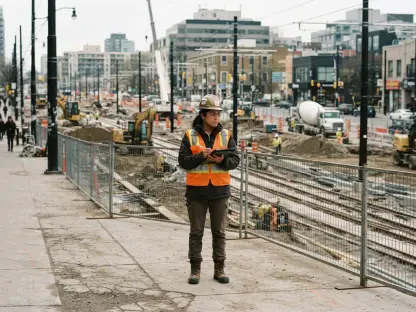

Designers have doubled their use of AI for planning and design tasks, moving away from simple administrative automation toward sophisticated visual conceptualization. This shift marks a turning point in the residential improvement sector, where what was once an experimental novelty has matured into

The 410 N. Elizabeth development acts as a blueprint for future densification by proving that ecological responsibility can coexist with financial profitability in a high-rise format. In the heart of Chicago’s Fulton Market, this 33-story structure represents a transformative step toward a

Legacy architectural tools often prioritize geometric representation over the deterministic data needed to manage the thin profit margins of production homebuilding. For decades, the residential sector has leaned heavily on static drawings and disconnected spreadsheets, creating a systemic
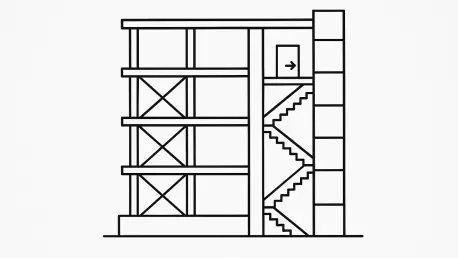
Residents in high-risk buildings often experience delays in vital maintenance due to the current inability of dutyholders to secure rapid intervention under the law. For too long, administrative hurdles and jurisdictional overlaps have slowed down the implementation of critical safety measures,

Recent data indicates that a 4.6 percent drop in new home sales throughout June has intensified concerns regarding the feasibility of national construction goals. This unexpected downturn serves as a stark reminder of the volatility currently facing the residential development sector, where

By taking a first-loss position on investments, local governments are effectively de-risking projects to attract necessary private institutional capital. This pivot reflects a fundamental reorganization of how urban centers respond to the persistent shortage of affordable housing, which has long