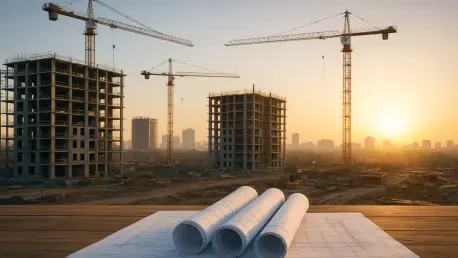

Recent data indicates that a 4.6 percent drop in new home sales throughout June has intensified concerns regarding the feasibility of national construction goals. This unexpected downturn serves as a stark reminder of the volatility currently facing the residential development sector, where optimistic projections frequently collide with harsh market realities. As the federal government pushes for the completion of millions of new units between 2026 and 2030, the disconnect between legislative intent and execution has never been more apparent. Developers are grappling with a complex cocktail of high interest rates, fluctuating material costs, and an increasingly restrictive regulatory environment that seems counterproductive to growth. While demand for affordable housing remains at historic highs, the actual delivery of these projects is stalling, leading to a significant gap between promised infrastructure and the tangible supply available to prospective buyers in the current economy.
Market Barriers: Regulatory and Financial Obstacles
Legislative Friction: The Impact of New Reforms
Current policy shifts aimed at increasing density and sustainability have inadvertently created a secondary layer of bureaucracy that many smaller firms find impossible to navigate. While the intention behind these mandates is to modernize the urban landscape, the practical application often results in extended permitting timelines that can stretch for several years. For instance, new zoning requirements introduced in early 2026 require comprehensive environmental impact assessments even for minor projects, adding substantial upfront costs before a single shovel hits the ground. This regulatory friction is particularly damaging in high-growth corridors where the need for rapid expansion is most critical. Furthermore, the lack of uniformity between municipal and state-level requirements creates a patchwork of rules that discourages interstate investment. Instead of streamlining the path to occupancy, these well-meaning regulations have become a bottleneck that prevents the timely delivery of residential units to the market.
Capital Constraints: Economic Hurdles in Development
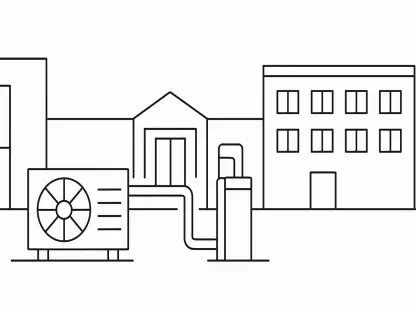
Beyond the administrative challenges, the economic landscape of 2026 presents a daunting set of financial barriers that continue to suppress the rate of new construction. Financing costs remain elevated, making it difficult for developers to secure the necessary capital for large-scale multi-family projects without passing significant expenses onto the end consumer. This trend has shifted the focus of many builders toward luxury segments where margins are higher, leaving the middle-market and affordable sectors underserved. Supply chain issues, though less severe than in previous cycles, still manifest in localized shortages of specialized components like high-efficiency HVAC systems and sustainable insulation materials. These shortages lead to project delays and cost overruns that further erode the viability of ambitious housing targets. The cumulative effect of these financial pressures is a cautious approach from lenders, who are now demanding higher equity stakes, effectively slowing the pipeline of residential starts.
Strategic Resolutions: Moving Toward Industry Recovery
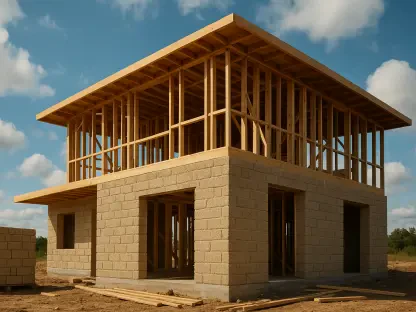
In response to these challenges, the industry sought out viable pathways to restore balance and ensure long-term stability within the housing market. Developers recognized that reliance on traditional financing and construction methods was no longer sufficient to meet the rising demand. By the end of 2026, many firms had successfully integrated advanced modular designs and automated building systems to offset the high costs of labor and materials. Simultaneously, local governments began to streamline the approval process for projects that met specific affordability criteria, providing a much-needed boost to the supply pipeline. These cooperative efforts between public planners and private contractors allowed for a more flexible approach to urban development, which eventually stabilized the sector and improved accessibility for first-time buyers. The focus shifted toward sustainable, high-density housing that reflected the evolving needs of the modern population while maintaining a steady rate of production and long-term economic growth.