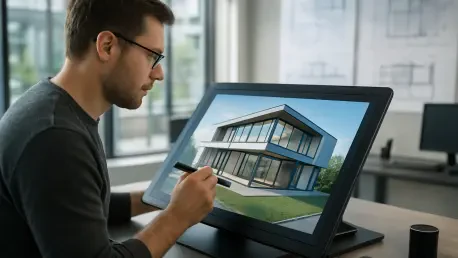

Designers have doubled their use of AI for planning and design tasks, moving away from simple administrative automation toward sophisticated visual conceptualization. This shift marks a turning point in the residential improvement sector, where what was once an experimental novelty has matured into a cornerstone of professional practice. Across the United States, architecture firms and building contractors are no longer asking if they should implement machine learning, but rather how deeply they can integrate these systems to stay relevant. The transition is driven by a necessity to manage increasingly complex supply chains and a shortage of skilled labor, forcing firms to find efficiency wherever possible. This digital maturation has moved beyond the back office, influencing how projects are conceived, pitched, and executed on-site. By 2026, the industry has seen a total recalibration of workflows, where algorithms assist in everything from structural calculations to client aesthetic preferences, creating a more responsive environment.
Economic Impact and Professional Adoption
Efficiency Gains: The Professional Pivot
Professional adoption of artificial intelligence has surpassed the 40% threshold among American firms, signaling a widespread acceptance of high-tech tools as essential for business survival. This widespread integration is not merely about following trends; it represents a strategic response to a marketplace that rewards speed and precision above all else. Companies that have ignored these advancements are finding themselves at a significant disadvantage when bidding for high-end residential projects or large-scale commercial renovations. The primary motivation for this shift is the undeniable competitive edge gained through data-driven decision-making. By utilizing advanced analytics, firms can now predict project timelines with greater accuracy and identify potential logistical bottlenecks before they cause delays. This proactive approach has changed the fundamental nature of competition within the industry, as the ability to leverage technology has become just as critical as traditional craftsmanship.
The financial impact of these technological investments is reflected in the substantial time savings reported by more than half of the firms currently utilizing artificial intelligence. On average, these businesses are reclaiming at least three hours every week, with top-tier performers often saving an entire workday through automated scheduling and documentation processes. This reclaimed time is being redirected toward billable design hours and proactive business development, directly boosting the bottom line. For an average mid-sized firm, these efficiencies translate to over $130,000 in annual productivity gains, creating a surplus that can be reinvested into further innovation or employee training. As the industry progresses from 2026 toward 2028, these economic benefits are expected to grow as the software becomes more specialized and easier to deploy. The consensus among industry analysts suggests that technology will remain the primary driver of economic growth within the sector, rewarding those who embrace its potential.
Sector Growth: Mastering Site Logistics
The construction sector has emerged as the most aggressive adopter of deep integration, with a clear majority of building firms now employing these tools in their daily operations. Unlike previous iterations of software that served as static databases, modern systems actively participate in sales and marketing outreach by identifying high-value leads and tailoring communication to specific client needs. This automation extends into the early stages of project management, where tools can generate initial estimates and organize complex material orders with minimal human intervention. By removing the burden of repetitive administrative tasks, site supervisors and project leads can focus their attention on quality control and safety protocols. This shift has not only improved the speed of project initiation but has also enhanced the professionalism of client communications. Builders are finding that automated reports and project updates provide a level of transparency that was previously difficult to maintain consistently.
Beyond the office, the impact of technology is being felt on the job site through more refined logistical planning and resource allocation. Construction professionals are utilizing specialized software to organize multi-phase projects, ensuring that subcontractors and materials arrive exactly when needed to minimize downtime. The resulting productivity boosts are significant, with many firms reporting an annual value increase exceeding $200,000 due to these streamlined workflows. This high level of engagement demonstrates that technology has become an indispensable partner in managing the intense logistical rigors inherent in modern building projects. The ability to simulate various construction scenarios and predict the impact of weather or material shortages allows for a level of risk mitigation that was previously impossible. As these tools become more integrated with on-site hardware, the gap between the digital plan and the physical execution continues to narrow, leading to fewer errors and less wasted material.
Visual Innovation and the Modern Consumer
Design Mastery: Enhancing Creative Communication
While builders focus on logistics, designers are rapidly expanding their use of technology to lean more toward the creative and visual aspects of the profession. Early adoption centered on administrative tasks, but the current trend shows a massive pivot toward using tools for planning and pre-project visuals. Most design firms now utilize these systems to develop concepts and iterate on ideas before any physical work begins, allowing for much clearer communication of intent. This focus on visual storytelling has led to high satisfaction rates among designers, who find that technology helps bridge the gap between a client’s vision and the final blueprint. By using these systems to handle the technical aspects of light rendering and texture mapping, designers can devote more energy to the artistic and functional requirements of the project. This evolution has transformed the presentation phase from a static reveal into a dynamic dialogue between the creator and the client.
Homeowners are also bringing their own digital experiences to the table, particularly among younger generations like Millennials who use these tools for inspiration and visualization. These consumers are comfortable using technology to compare materials or imagine new layouts, but they remain hesitant to trust it for high-stakes logistical tasks like budgeting or permitting. This gap highlights a significant opportunity for professionals to step in, as homeowners still value human expertise to handle the complexities of a physical build. Professionals must now navigate a landscape where their expertise is measured against the wealth of information and imagery available to the general public. While this can present challenges, it also creates a more informed client base that understands the complexity of the decisions involved in a major home improvement project. The professional’s role has shifted toward being a curator who distinguishes between what is visually viable and what is merely a digital simulation.
Strategic Integration: Overcoming Industry Challenges
Far from replacing human experts, technology is actually strengthening the bond between professionals and their clients by boosting transparency and confidence. Homeowners report that when their contractors use advanced tools, it significantly enhances their understanding of the final product and makes the professional appear better prepared. This improved communication helps manage expectations and reduces the friction often associated with large-scale projects. Even with the rise of DIY digital tools, the vast majority of homeowners still choose to hire a professional, citing a clear preference for craftsmanship and experience. This reliance on professional skill ensures that the human element remains at the core of the industry, even as the tools used to support that skill become more sophisticated. The most successful firms are those that emphasize their human-centric values—such as integrity and artistry—while using technology to enhance the overall efficiency and precision of their services.
The industry developed a more discerning eye toward the limitations of technology, particularly regarding the accuracy and reliability of generated outputs. Professionals established strict quality control protocols to ensure that every digital plan was double-checked by an experienced human hand before execution began. The cost of software and the difficulty of staff training became secondary to the need for human oversight to ensure quality control on the job site. The future of the industry pointed toward a hybrid model where technology handled data-heavy tasks and visual rendering, while humans focused on critical thinking and hands-on skills. To maintain a competitive edge, firms prioritized the development of internal expertise that combined technological proficiency with traditional building wisdom. This balanced approach ensured that digital tools served as a means of empowerment rather than a replacement for intuition. Moving into 2027, the focus remained on refining these partnerships to deliver superior results.