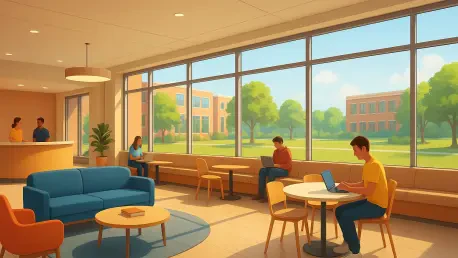

The mandatory introduction of a second staircase in residential buildings over eighteen meters has created a significant challenge for developers balancing safety with financial viability. As urban density increases in 2026, the architectural community is forced to confront the reality that
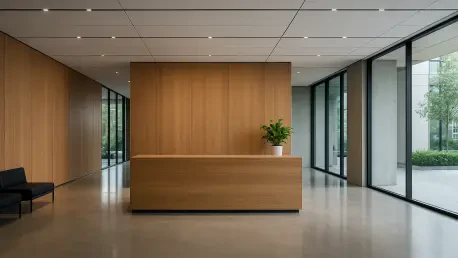
The stability of direct vacancy rates suggests that property owners have been successful at keeping current leases steady despite external pressures. This resilience is currently being tested as the Melbourne-Fringe office market reaches a critical juncture in the third quarter of 2026,

The City of Boroondara is formally challenging the state's decision to bypass local planning authorities in favor of a streamlined 630-dwelling high-density development. This legal and political friction highlights a deepening divide between the Victorian government’s aggressive housing targets and
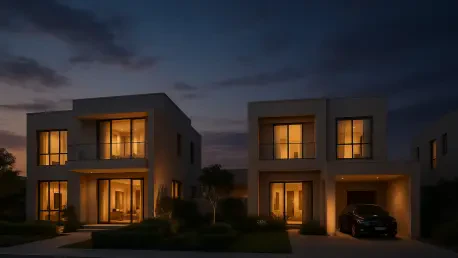
Revised planning codes now permit Emirati homeowners to reduce property setbacks to a mere 1.5 meters on all sides without meeting previously mandatory specialized conditions. This strategic update, introduced under the Home First initiative, represents a definitive pivot toward a more
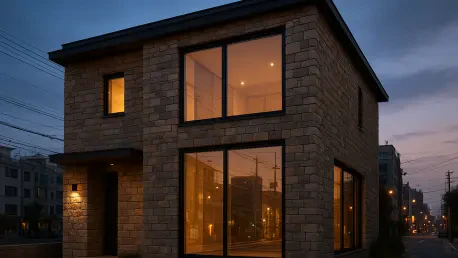
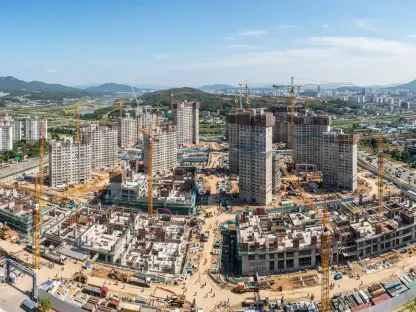
The urban landscapes of Seoul and its surrounding metropolitan areas are undergoing a radical transformation as the South Korean government aggressively pivots toward a deregulated housing strategy designed to alleviate the chronic shortage of affordable living spaces for the younger generation.

By integrating renewable energy sources directly into building physics, the GreeNest project aims to establish a scalable blueprint for zero-emission living. This initiative arrives at a pivotal moment for the Italian peninsula, where the intersection of environmental necessity and social welfare