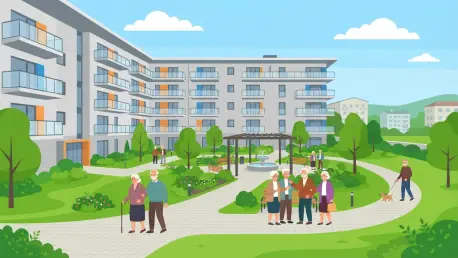

Ensuring a high quality of life for seniors involves the inclusion of outdoor picnic areas and community spaces within new low-income housing developments. In Fayetteville, this vision has been brought to life with the completion of Eutaw Landing Apartments, a $13.4 million residential complex that marks a significant milestone in regional urban planning. This 54-unit development, spearheaded by SEML Development, was specifically designed for residents aged 55 and older and reached full occupancy immediately upon opening. The facility offers a combination of one-bedroom and two-bedroom units that address a long-standing shortage in affordable housing tailored to the aging demographic of Cumberland County. As local populations continue to shift, projects like Eutaw Landing demonstrate that dedicated infrastructure is not just a benefit but a necessity. This development serves as a blueprint for how modern housing can blend accessibility with comfort, providing a stable foundation for the city’s seniors.
Strategic Financing: Bridging the Gap With Collaborative Models
The financial structure of the Eutaw Landing project showcases a sophisticated use of multi-layered investment strategies to achieve social objectives. A diverse group of contributors made the project possible, including over $9.4 million in equity derived from Low-Income Housing Tax Credits provided by WNC & Associates, Inc. Merchants Bank served as a key financial partner, providing the lending necessary to move the construction from blueprints to reality. Furthermore, local and state governments played a decisive role, with the City of Fayetteville and the North Carolina Housing Finance Agency each contributing $800,000 in grant funding. This collaborative approach highlights the importance of leveraging private capital alongside public resources to make affordable housing economically viable in a competitive market. By distributing the financial risk among several entities, the project ensures that high-quality residential options remain accessible to those on a fixed income without straining any single budget.
Public-private partnerships have become the standard for addressing urban housing shortages from 2026 to 2028, reflecting a broader trend in sustainable development across the country. These arrangements allow municipalities to meet the growing demand for senior living without carrying the full burden of development costs. When federal tax incentives are paired with local oversight, the resulting facilities often exceed the quality of traditional low-income housing. This economic model creates a win-win scenario where private developers like the Duggins family can contribute to the community’s social fabric while maintaining a viable business model. The success of this synergy is evident in the revitalization of the local neighborhood, which now benefits from a modern, well-maintained asset. As Fayetteville looks to the future, the continued use of these partnerships will be essential for keeping pace with the rapid growth of the elderly population and ensuring that no resident is left behind in the search for safety.
Quality Assurance: Designing for Dignity and Future Growth
Maintaining high standards for low-income residents is a core philosophy that separates successful developments from temporary fixes. Murray O. Duggins, Jr., representing SEML Development, has consistently argued that the term “affordable” should never be used as an excuse for providing second-rate living conditions. This commitment is visible throughout Eutaw Landing, which features a business center, a large community room for social gatherings, and landscaped picnic areas. These amenities are designed to promote physical and mental well-being by encouraging residents to stay active and engaged with their peers. City officials like Chris Cauley have noted that while the focus often remains on increasing homeownership, providing safe and modern rental options is equally vital for a balanced economy. By offering maintenance-free living in a dignified environment, the city provides a viable path for seniors who wish to downsize without sacrificing their quality of life or their connection to the city.
The completion of this project provided actionable insights into how Fayetteville addressed the critical shortage of affordable senior living spaces. Stakeholders recognized that the most effective solutions involved streamlining the permit process and offering specialized tax incentives for projects that included health-focused amenities. Moving forward, the city prioritized the rehabilitation of existing structures and the construction of 400 additional units to satisfy the growing waitlists. This transition toward proactive urban planning ensured that the elderly population had access to housing that was both secure and integrated into the broader community. The successful collaboration between private firms and public agencies established a repeatable model that balanced financial returns with social responsibility. Ultimately, the city’s dedication to high-quality construction and strategic financing created a lasting impact, proving that a focused approach could resolve even the most persistent housing challenges for the most vulnerable citizens.