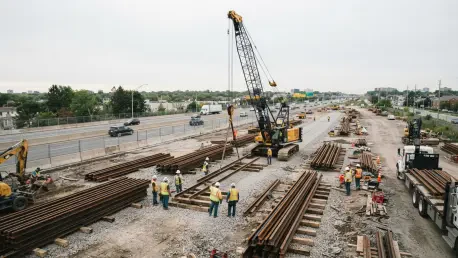

Navigating the aging infrastructure of the Chicago Transit Authority’s Blue Line has become a daily exercise in patience for commuters who must endure frequent delays and persistent speed restrictions across a system originally built during the Eisenhower administration. With more than 80 percent of the Forest Park Branch currently designated as slow zones, the agency is now moving forward with a massive overhaul to address these structural deficiencies. The awarding of a comprehensive design contract to AECOM Technical Services signals a pivotal shift from reactive maintenance to a full-scale modernization effort. This multi-year initiative aims to replace rail components that have long since exceeded their operational life expectancy, providing a much-needed upgrade to a corridor that serves millions of riders annually. By focusing on the 13-mile stretch from the Illinois Medical District to the Forest Park terminus, the project represents a major engineering undertaking that is essential for the city’s economic and social health.
Technical Strategies: Corridor Renewal
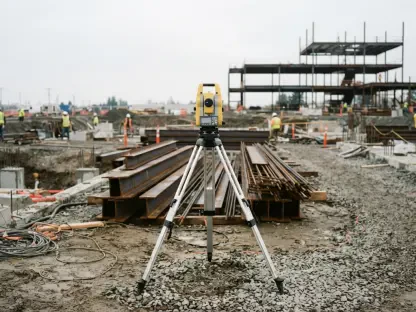
The current design phase managed by AECOM involves a rigorous assessment of the existing 13-mile corridor to identify the most critical points of failure within the aging rail network. Engineers are conducting extensive field investigations to evaluate the integrity of the tracks, signaling systems, and traction power substations that have been in continuous use since the late 1950s. This technical deep dive is essential for creating a blueprint that not only replaces old components but also integrates modern transit technologies designed to handle higher passenger volumes. By upgrading the signal systems, the CTA expects to increase train frequency and precision, effectively eliminating the bottlenecks that have forced operators to crawl through miles of restricted track. These improvements are specifically engineered to restore the line to its original design speeds, significantly reducing commute times for residents of the West Side and western suburbs who rely on the Blue Line.
Infrastructure Resilience: Drainage Systems
Beyond the rails themselves, the modernization project addresses complex environmental challenges, particularly the persistent drainage issues that plague the sections of the line running parallel to the I-290 Eisenhower Expressway. Water accumulation during heavy rainfall has frequently disrupted service, leading to equipment damage and safety concerns for both commuters and transit personnel. The design team is analyzing drainage features along the expressway to implement sustainable mitigation strategies that protect the rail infrastructure from future flooding events. This work builds on the successful completion of the initial phase between the Illinois Medical District and LaSalle stations, which saw the reconstruction of three miles of track and significant accessibility improvements at the Racine station. By prioritizing these structural vulnerabilities, the CTA ensures that the renovated corridor will remain resilient against the unpredictable weather patterns of the Midwest, securing the city’s transit longevity.
Regional Coordination: Future Mobility
The strategic shift toward a comprehensive overhaul of the Forest Park Branch demonstrated a clear commitment to resolving the systemic failures that once defined Chicago’s slow zone crisis. By awarding the AECOM contract and securing federal backing through carbon reduction grants, regional leaders established a viable model for modernizing legacy transit systems. The project successfully transitioned from a phase of high-level planning to concrete field investigations, laying the groundwork for a more reliable commute. Regional coordination ensured that the integration of the I-290 expressway and Blue Line projects remained seamless, preventing significant long-term service gaps during the reconstruction. Transit authorities prioritized accessibility upgrades at every station to ensure the entire network became inclusive for all residents. Ultimately, these investments served as a vital blueprint for subsequent urban infrastructure projects, proving that technical modernization and community-focused planning worked effectively in tandem.