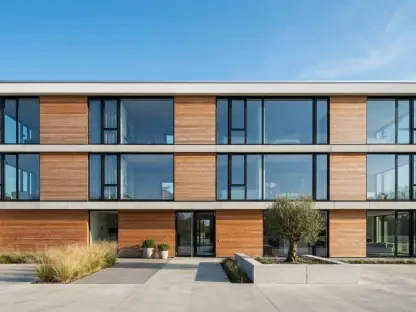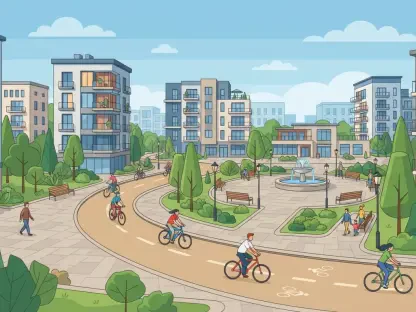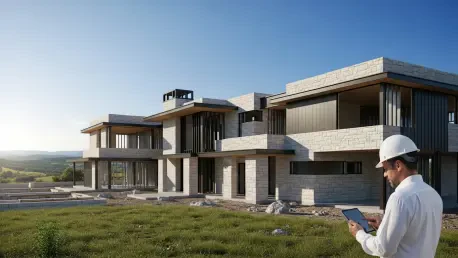
Navigating the complex and often volatile landscape of the Central Texas luxury residential market requires a rare combination of historical perspective and technical agility that few modern builders possess. In a region where architectural trends shift as quickly as the economic tides, the

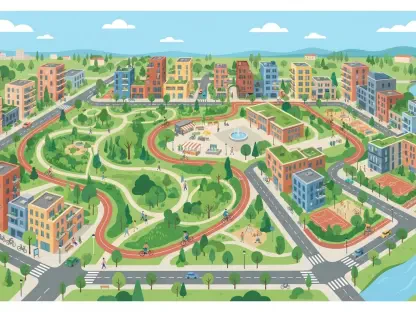
Population maps told a clear story even before shovels hit dirt in Jasper County, as household growth nudged west from the coast and followed the Hilton Head–Bluffton corridor toward Interstate 95 with increasing intensity. That migration met limited supply, rising coastal land costs, and a tight
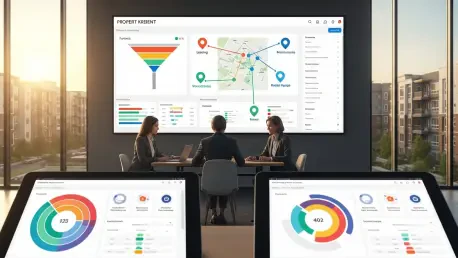
Capital flowed toward clarity as property managers demanded automation that saves hours, not hypotheticals that promise insight without action, and that urgency met its moment when AppFolio opened the year with a beat-and-raise that linked hard numbers to an AI-native operating model. The company’s

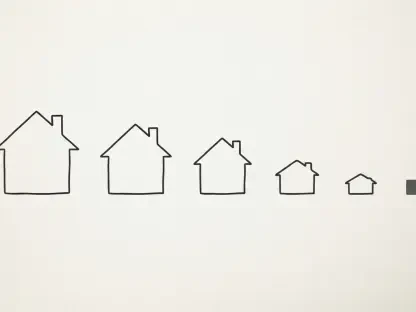
Across Ontario, the deceleration in homebuilding has started to look less like a pause and more like a structural drag that is bleeding into sawmills, panel plants, logging camps, and the small firms that keep them running. Residential construction sits at the center of the wood economy; when
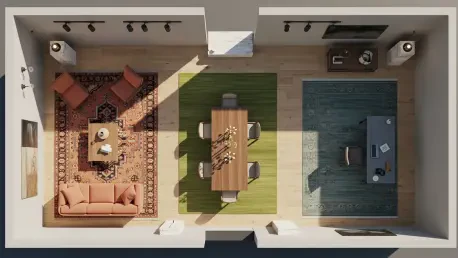
Design plans rose or fell on the rug this year because the floor carried more visual weight than any single wall, cabinet run, or sofa silhouette, and that shift raised the stakes for color decisions that once felt low risk. Open layouts leaned on rugs to draw borders around conversation, dining,

Breaking ground on a $280 million, six-story, 257,000-square-foot Health Sciences Building at the University of Louisville, Kentucky sent a clear message that health workforce capacity and research integration still commanded capital even as other institutional projects slowed. The move put public