
The rejection of the Aylesham Centre redevelopment appeal marks a pivotal moment in South London’s urban planning history, signaling a firm stance against high-density projects that threaten local character. For years, the debate surrounding the Peckham site has served as a microcosm for the broader tensions between rapid urban intensification and the preservation of community identity. The ambitious proposal by Berkeley Homes, which envisioned a complete overhaul of the existing shopping center into a modern mixed-use hub, promised economic revitalization but ultimately faltered under the weight of its own scale. By attempting to introduce structures reaching up to twenty stories into a predominantly low-rise environment, the project triggered intense scrutiny from residents, local officials, and heritage experts alike. This decision underscores the reality that investment value cannot supersede the fundamental requirement for developments to integrate harmoniously with the existing social and architectural fabric of the neighborhood.
The Architectural Conflict and Heritage Impact
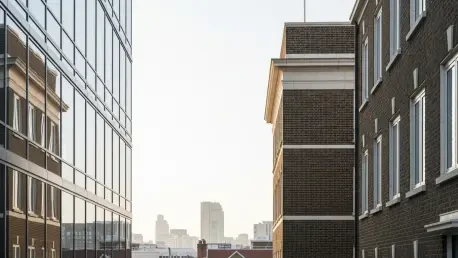
Inspector Matthew Shrigley’s final ruling emphasized that the physical scale and massing of the proposed buildings would cause substantial harm to both designated and non-designated heritage assets in the vicinity. The core of the dispute lay in the sheer visual dominance of the towers, which critics argued would overshadow the historic streetscapes and disrupt the characteristic Peckham skyline that defines the area. While the developer maintained that the design by dRMM offered a high-quality contemporary aesthetic, the Inspector concluded that the resulting damage to the townscape would be irreversible. Even the potential benefits of the project, such as the creation of new public spaces and commercial opportunities, were deemed insufficient to outweigh the negative impact on the local environment. This specific focus on heritage highlights a growing trend where the Planning Inspectorate prioritizes the protection of neighborhood character over the sheer volume of new housing units in sensitive urban settings.
Beyond the physical dimensions of the project, the financial and social aspects of the proposal faced significant criticism, particularly regarding the provision of affordable housing. Initial plans submitted in July 2024 aligned with the London Plan’s minimum requirement of 35% affordable units; however, by December, these figures were drastically reduced to just 12% following a viability assessment. This sharp decline fueled local resentment, as the community felt that the project was increasingly geared toward profit rather than addressing the urgent housing needs of the borough. Although Berkeley Homes argued that the lower percentage was necessary to ensure the commercial feasibility of the massive redevelopment, the Inspector noted that the lack of social benefit further weakened the developer’s case. While the ruling acknowledged the validity of the developer’s economic data, it ultimately determined that even a fully compliant 35% affordable housing ratio would not have justified the significant architectural damage proposed.
Moving Toward Community-Led Urban Development
The dismissal of the appeal has been celebrated by Southwark Council and local advocacy groups, such as Aylesham Community Action, as a triumph for local democracy and thoughtful urban design. Council leader Sarah King expressed that the decision validates the persistent concerns raised by residents who felt their voices were being ignored during the planning phases. The consensus among these stakeholders is that the Aylesham Centre represents a generational opportunity to improve the heart of Peckham, but only if the development respects the scale of the surrounding community. This victory for grassroots organizing demonstrates that when local groups provide evidence-based arguments regarding townscape and social value, they can successfully challenge multi-billion dollar developments. The focus now shifts from resisting an unsuitable plan to actively shaping a vision that balances the need for modernization with the preservation of Peckham’s unique cultural and historical vibrancy.
Moving forward, any future attempt to transform the Aylesham Centre must prioritize a collaborative approach that integrates community feedback from the earliest design stages. The Planning Inspectorate’s ruling established a clear precedent that mass and height must remain secondary to heritage conservation and neighborhood compatibility. Successful future proposals should likely explore medium-density solutions that provide high-quality housing without overwhelming the existing low-rise character of South London. Stakeholders suggested that future developers work closely with local councils to ensure that affordable housing targets are not only met but are prioritized as a non-negotiable component of the project’s social contract. By focusing on a design that reflects the specific needs and history of the local population, the next phase of the redevelopment had the potential to set a new standard for sustainable urban growth. Ultimately, the denial of the Berkeley Homes appeal ensured that the soul of Peckham remained intact for the immediate future.