
Homeowners across the United States are increasingly discovering that what begins as a simple aesthetic improvement to their outdoor living space can rapidly devolve into a bureaucratic nightmare of unexpected municipal citations and significant financial penalties. While the desire to enhance curb appeal or create a personal backyard sanctuary is a common aspiration, the regulatory landscape governing residential land use has become significantly more complex over the last few years. Local governments and homeowners associations have implemented more stringent guidelines to manage urban density, environmental conservation, and neighborhood uniformity. This shift means that even seemingly minor changes, such as altering the grade of a lawn or installing a new privacy screen, might require formal approval that many residents overlook. Navigating these rules requires a proactive approach to research and planning to ensure that a dream garden does not become a liability. Failure to adhere to these evolving standards often results in more than just a slap on the wrist; it can lead to daily fines that accumulate until the property is brought back into compliance, often at a high cost.
The Pitfalls: Navigating Municipal Permits
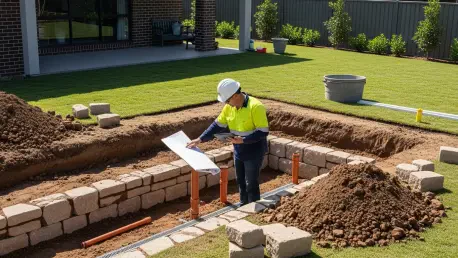
The primary catalyst for municipal fines often stems from structural modifications that residents mistakenly assume are exempt from oversight. In 2026, many cities have expanded the definition of permanent structures to include high-end outdoor kitchens, large-scale retaining walls, and even certain types of advanced irrigation systems. For instance, constructing a retaining wall higher than three feet typically requires an engineered plan to ensure proper drainage and soil stability, yet many property owners proceed without checking local height restrictions. When a city inspector notices unpermitted work, the consequences are immediate and punitive. Beyond the initial fine for work performed without a permit, homeowners may be forced to dismantle the entire project to allow for a formal inspection of the foundation or drainage pipes. This process is not only expensive but can also damage the surrounding landscape, leading to a cycle of repair costs that far exceed the original budget. Building on this foundation, it becomes clear that understanding the specific requirements for setbacks and utility easements is just as crucial as the design itself.
Drainage remains one of the most contentious issues in modern residential landscaping, as improper grading can cause water to pool on neighboring properties or overwhelm municipal storm drains. Local authorities have stepped up enforcement of grading plans to prevent localized flooding, especially as extreme weather events become more frequent in the current climate. A common mistake involves adding significant amounts of topsoil or mulch that inadvertently alters the natural flow of rainwater, leading to disputes with adjacent homeowners and subsequent visits from code enforcement officers. These officials are tasked with ensuring that any topographical change does not negatively impact the surrounding infrastructure or private property. If a project is found to violate drainage codes, the owner might be required to install expensive French drains or dry wells to remediate the situation. Moreover, these fines are often recurring, meaning they continue to accrue for every day the violation remains uncorrected. This emphasizes the necessity of hiring licensed professionals who are familiar with the specific hydrology requirements of the region to avoid these costly legal entanglements.
Building Sustainable Landscapes: Compliance and Conservation
Environmental stewardship has moved from a voluntary practice to a regulated requirement in many jurisdictions, particularly concerning the types of vegetation allowed in residential areas. In the current year, several states have updated their lists of prohibited invasive species, making it illegal to plant or even maintain certain popular but ecologically damaging plants. Homeowners who unknowingly purchase these varieties from online marketplaces or unverified nurseries risk being cited during routine neighborhood inspections. The push toward xeriscaping and the use of native plants is not merely a trend but a response to the need for biodiversity and water conservation. Some municipalities now offer incentives for removing traditional turf grass, but these programs come with their own set of strict guidelines regarding plant density and ground cover materials. Violating these specific aesthetic and biological standards can lead to the loss of rebates and the imposition of fines intended to discourage the spread of non-native flora. It is vital to consult local conservation boards to ensure that every chosen species supports the local ecosystem rather than undermining it.
Ultimately, the shift toward stricter landscaping oversight reflected a broader societal commitment to sustainable development and community harmony. Homeowners who embraced these changes rather than resisting them found that their properties were better equipped to handle the challenges of a changing environment. They adopted long-term maintenance plans that strictly followed local ordinances, ensuring that their outdoor spaces remained compliant as regulations continued to evolve from 2026 to 2030. By maintaining detailed records of permits, inspections, and professional certifications, these individuals protected their investments and streamlined the process of selling their homes in the future. The lessons learned from previous zoning disputes informed a more cautious and informed approach to property enhancement across the nation. This systematic adherence to rules transformed the way residential landscapes were perceived, moving from purely personal expressions to integrated components of a well-regulated and ecologically conscious neighborhood. Consequently, the threat of fines was successfully neutralized through education, preparation, and a respect for the shared standards that define modern living.