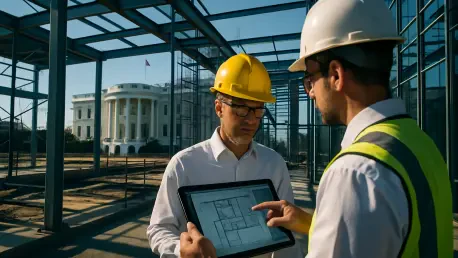

While the facade of the White House remains a global symbol of stability, the structural integrity of the East Wing has deteriorated to a point where simple repairs are no longer a viable option for the executive branch. Maintaining a historic landmark of this magnitude requires a delicate balance between public accessibility and the evolving security mandates of the U.S. Secret Service. The National Park Service finds itself at a crossroads, where the preservation of heritage must coexist with the urgent need for a high-performance executive facility.
The Critical State of Presidential Infrastructure and Federal Facilities Management
The East Wing has served as a critical hub for administrative and ceremonial operations since its construction during the World War II era. However, the demands placed on this space have far outpaced its original design, turning a functional office into a logistical bottleneck. Modern executive duties require a level of technological integration and spatial flexibility that a building from the 1940s simply cannot provide without a total transformation.
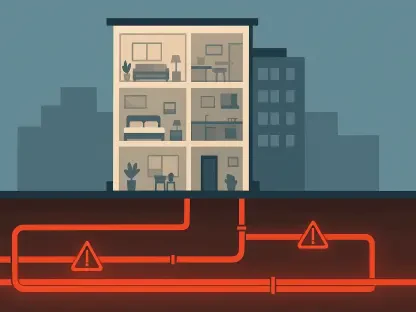
Structural assessments revealed that the building was effectively operating past its mechanical expiration date. Stakeholders identified that systemic failures in heating and ventilation were not just matters of comfort but threats to the preservation of the broader White House complex. Consequently, the decision to rebuild reflects a commitment to maintaining a facility that meets the rigorous standards of modern governance.
Strategic Shifts in Executive Real Estate: Trends and Fiscal Projections
From Post-War Utility to High-Security Multipurpose Design
Transitioning from outdated architecture toward a high-security ballroom facility marks a fundamental shift in how the executive branch approaches diplomacy. Current trends in federal construction emphasize spaces that can quickly pivot from a quiet meeting room to a high-profile state dinner venue. This evolution reflects a growing need for facilities that integrate advanced security measures directly into the structural design rather than treating them as afterthoughts.
Diplomatic requirements have evolved to expect a level of hospitality that the previous layout could not sustain. New construction allows for the inclusion of specialized telecommunications and crowd-management technologies that are impossible to retrofit into 80-year-old masonry. This strategic redesign ensures that the residence can host global leaders with the efficiency and security demanded in the modern age.
Projecting Growth and Operational Sustainability Through 2028
Cost-benefit analyses performed by federal agencies confirm that a full reconstruction is the most fiscally responsible path forward when compared to perpetual, expensive repairs. By focusing on the lowest total cost of ownership, the project aims to deliver a facility that minimizes operational expenses from 2026 through 2028 and beyond. This ambitious timeline ensures that the structure will achieve a functional lifecycle intended to span the next two centuries.
Financial performance indicators suggest that modern materials and energy-efficient systems will drastically reduce the long-term carbon footprint of the East Wing. Investing heavily in the initial construction phase avoids the disruptive and compounding costs of emergency maintenance. The new facility will stand as a resilient asset, ensuring that presidential operations remain uninterrupted by infrastructure failure.
Addressing Structural Decay and the Hazards of Obsolescence
Chronic leaks have led to persistent mold growth, while corroded electrical systems present an unacceptable fire risk to the presidential residence. These physical liabilities are compounded by the presence of hazardous materials like lead and asbestos, which necessitate a highly controlled demolition process. Executing such a massive construction effort within an active, high-security zone requires unprecedented logistical precision to avoid disrupting executive operations.
The failure of the colonnade roof and other structural components signaled that the building was approaching a state of terminal decline. Engineers noted that the underlying framework was no longer capable of supporting modern load requirements for large-scale events. Addressing these hazards now prevents a catastrophic failure that could have occurred during a high-stakes diplomatic engagement.
Navigating Legal Oversight and Modern Compliance Standards
The U.S. District Court has played a pivotal role in reviewing the legality of the demolition, ensuring that federal projects meet strict environmental and administrative standards. Compliance with the Americans with Disabilities Act and modern fire codes is no longer optional but a central requirement for any new federal build. Legal consensus, supported by the Director of Management and Administration, underscores that regulatory adherence is paramount to the project’s long-term legitimacy.
Adhering to these updated standards ensures that the White House remains a model for federal facilities management nationwide. Beyond accessibility, the project must navigate complex preservation laws that govern how historic sites are modified. Balancing these legal mandates requires a collaborative approach between judicial, executive, and historical oversight committees.
A Legacy for the Next Two Centuries: The Future of Presidential Hosting
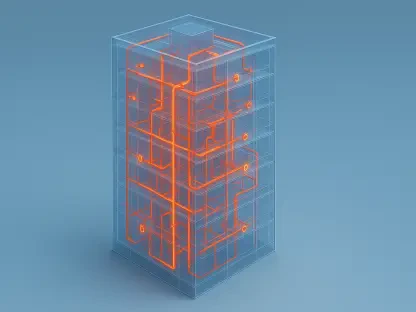
The future East Wing is being built as a resilient asset capable of withstanding emerging security threats and rapid technological shifts. Innovation in modular design and specialized building materials will allow the facility to adapt to the needs of various administrations over the next two hundred years. This investment ensures that the United States remains prepared to host global leaders in a setting that reflects modern standards of excellence and security.
Anticipating future needs involves creating a foundation that can support upcoming advancements in artificial intelligence and secure communications. The facility is not merely a replacement for what was lost but a proactive upgrade for what is to come. This forward-looking design philosophy positions the executive branch to maintain its global diplomatic influence through superior operational capabilities.
Harmonizing Historical Preservation with Modern Executive Mandates
The decision to replace the East Wing represented a necessary step toward securing the institutional stability of the presidency. Federal planners acknowledged that the risks of maintaining an obsolete structure outweighed the benefits of historical sentimentality. Proactive infrastructure investment proved to be the only viable strategy for preserving the long-term utility of this national landmark. Future initiatives focused on integrating modular energy solutions and adaptive security grids to ensure the residence remained a functional seat of power for centuries.