
The long-standing dominance of sterile, gallery-white walls and clinical gray floors is rapidly coming to an end as homeowners prioritize deep emotional resonance over traditional resale value and mass appeal. This seismic shift in interior design reflects a broader societal desire to transform houses from impersonal showcases into intimate sanctuaries that mirror individual identity and personal history. As the landscape of home decor evolves, the pursuit of “safe” design is being replaced by a bold commitment to saturation and expressive color palettes that command attention. This movement isn’t merely about aesthetic preference; it represents a fundamental change in how people interact with their immediate environment. Instead of seeking a blank canvas that avoids offense, modern residents are intentionally selecting colors that evoke specific moods, stimulate creativity, and foster a sense of physical security. By embracing these rich, saturated tones, individuals are effectively reclaiming their living spaces as authentic reflections of their lived experiences and inner worlds.
Transitioning from Cold Neutrals to Earthy Warmth
Replacing Icy Grays with Organic Foundations
Cool gray, once the undisputed standard for modern sophistication, is increasingly viewed as a relic of a past era that often makes residential interiors feel uninviting and flat. Many design professionals now observe that these icy undertones frequently clash with the inherent warmth found in natural materials like white oak or travertine stone, creating a jarring visual dissonance. Consequently, the current preference has shifted toward sophisticated “mushroom” and taupe shades, which provide a neutral base while offering enough depth to highlight intricate architectural details. These warmer alternatives effectively bridge the gap between minimalism and comfort, infusing rooms with a sense of vitality that cold grays simply cannot provide. The transition to these organic neutrals suggests a more nuanced understanding of how light interacts with surface texture, allowing walls to feel more like an embrace rather than a barrier. This evolution marks the start of a more tactile approach to interior surfaces.
Moving Beyond Commitment-Free Mineral Tones
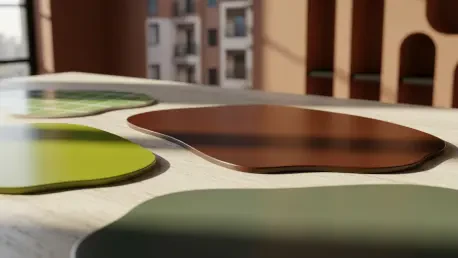
The rejection of the “sad beige” aesthetic has become a defining characteristic of contemporary home renovation projects as people move away from commitment-free palettes. Homeowners are now opting for grounding mineral tones such as terracotta, clay pink, and deep chocolate brown to establish a sense of permanence and luxury within their primary living areas. These specific hues, including rich mahogany and chalky blues, do not remain static throughout the day; instead, they react dynamically to the changing angle of natural sunlight, making the space feel more organic. This shift toward pigment-rich foundations allows for a more layered design approach where furniture and art can sit against a backdrop that has its own distinct personality. By choosing colors derived from the earth rather than a chemical lab, residents are finding ways to anchor themselves in an increasingly digital world. The result is an environment that feels less like a temporary staging area and more like a permanent residence built on intentionality.
Embracing Boldness and Natural Vitality
Swapping Restrained Greens for Energetic Hues
Muted sage green, which served as a safe harbor during more uncertain times, is now being replaced by more energetic and soulful green palettes that emphasize life and movement. While the soft, gray-toned greens of the previous decade offered a sense of tranquility, they are now often perceived as overly restrained and lacking the character necessary for modern self-expression. The prevailing trend favors high-vitality greens with yellow or acidic bases, such as vibrant olive, chartreuse, and deep forest moss, which inject a “wild” element into the domestic sphere. These saturated shades are designed to capture the raw, untamed energy of the natural world rather than its quiet, desaturated side, bringing a refreshing sense of growth and renewal indoors. By leaning into these more intense pigments, designers are able to create focal points that feel both sophisticated and slightly rebellious against traditional norms. This move toward more daring greens signifies a collective readiness to embrace intensity.
Linking Interior Design to the Natural Landscape
This evolution toward bolder greens reflects a deep-seated cultural craving for emotional expression and a sense of true “vitality” within the privacy of the home. Selecting shades that feel lush and untamed allows homeowners to create spaces that spark conversation and replenish energy after a long day of professional responsibilities. These vibrant green tones function as a psychological bridge between the manicured interior and the sprawling outdoor landscape, effectively making rooms feel more expansive and spiritually nourishing. The shift from sage to olive represents more than just a change in hue; it is a transition from passive relaxation to active, intentional living where every color choice is a statement of purpose. Designers are increasingly using these deep greens on all four walls to create a “cocooning” effect that feels both protective and invigorating. As we look ahead from 2026 to 2028, the integration of these high-energy colors will likely become standard practice for those seeking to maximize wellness.
Replacing Sterile Foundations with Character
Moving Beyond the Fatigue of All-White Aesthetics
The ubiquitous “all-white” aesthetic is currently facing significant fatigue as residents grow tired of the constant maintenance and inherent coldness of stark, minimalist rooms. While white remains a functional staple for trim, moldings, and ceilings, its absolute dominance on primary wall surfaces is being challenged by “color-washed” neutrals and soft, moody hues. Sophisticated alternatives like lavender-gray and pale smoky jade are being utilized as refined substitutes for pure white, offering a similarly airy feel but with an added layer of visual complexity. These colors ensure that a room feels finished and deliberate rather than empty or forgotten, providing a more professional and curated appearance to the space. The move toward these tinted neutrals allows for a softer transition between different rooms, creating a cohesive narrative throughout the home that feels both modern and historically grounded. This departure from the clinical white box indicates a newfound appreciation for the subtle nuances of color and volume.
Reclaiming the Home Through Intentional Color Selection
The shift toward identity-driven design successfully replaced the previous era of safety-oriented aesthetics with a focus on genuine self-expression. Homeowners who moved away from sterile grays and flat beiges discovered that saturated, earthy tones provided a more meaningful connection to their living environments. By choosing colors with a distinct sense of identity, residents reclaimed their homes as personal sanctuaries that offered both physical grounding and creative freedom. Moving forward, the most effective strategy for those looking to refresh their space involved testing large swatches of saturated pigment under various lighting conditions to ensure the desired mood was achieved. Integrating these deep colors also required a thoughtful balance of lighting and texture to prevent a room from feeling overly dark or heavy. Ultimately, the transition toward expressive palettes demonstrated a sophisticated understanding of how color influenced psychological well-being. This era of design prioritized the lived experience of the inhabitant.