
The traditional American pursuit of maximizing residential square footage is rapidly being replaced by a more nuanced emphasis on how domestic environments influence daily cognitive performance and emotional stability. Historically, the value of a home was calculated through objective metrics like total acreage or the count of bedrooms, often disregarding the actual lived experience of the inhabitants. However, a significant paradigm shift is occurring across the United States, particularly visible in suburban enclaves where homeowners are now demanding spaces that adapt to their specific psychological and functional needs. This movement recognizes that a house is no longer merely a financial investment or a shelter; it has become a sophisticated tool for managing the complexities of modern existence. By prioritizing the internal experience over external prestige, contemporary design is fostering a new standard of living that values mental clarity and personal efficiency above all else.
The Evolution of Multi-Purpose Living Spaces
As the boundaries between professional labor and private relaxation continue to blur, the demand for adaptable floor plans has reached an unprecedented level in the current housing market. Traditional layouts, which isolated specific functions into separate rooms, frequently fail to accommodate the fluidity of a modern schedule where a kitchen island may serve as a boardroom or a guest room doubles as a high-tech fitness studio. This evolution is driven by a necessity for versatility, as rising property costs require every square foot to perform multiple roles throughout the day. Consequently, homeowners are increasingly moving away from predictable, rigid designs in favor of open, transformable environments that can be reconfigured at a moment’s notice. This transition reflects a broader understanding that the built environment should serve the resident, rather than forcing the resident to adapt their lifestyle to the limitations of an outdated architectural template.
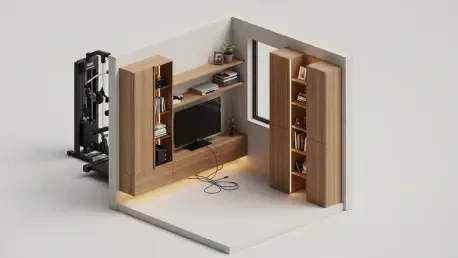
In response to these shifting needs, companies like Abodian are spearheading a movement toward treating the interior of a home as a cohesive, engineered system rather than a collection of independent furniture pieces. This systemic approach utilizes custom-built solutions, such as integrated wall units and tailored cabinetry, to maximize utility while maintaining a streamlined aesthetic that reduces visual clutter. By embedding storage and workspaces directly into the structural fabric of the home, designers are able to reclaim valuable floor space that would otherwise be occupied by bulky, mismatched furniture. These bespoke installations offer a polished and intentional appearance that significantly distinguishes a property in a competitive real estate market. Ultimately, the integration of these sophisticated systems ensures that the home remains a highly functional machine for living, providing occupants with an environment that supports their daily routines with unparalleled precision.
Designing for Mental Health and Cognitive Flow
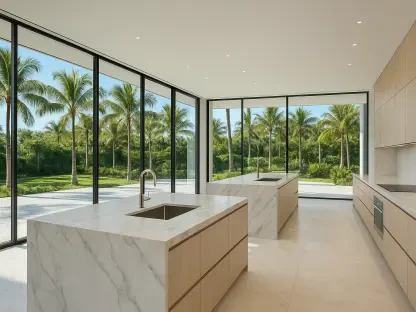
The relationship between physical surroundings and psychological health has become a central focus for modern architects, who are increasingly drawing on research from the American Psychological Association to inform their designs. It is now widely recognized that factors such as the quality of natural light, the height of ceilings, and the overall spatial flow can have a profound impact on stress hormones and long-term mood stability. Homes that lack sufficient illumination or suffer from poor organizational logic often contribute to a sense of claustrophobia and mental fatigue, which can impair decision-making and interpersonal relationships. By intentionally optimizing these environmental variables, designers are creating sanctuaries that actively mitigate the pressures of external life. This focus on well-being represents a departure from purely aesthetic considerations, as the primary goal becomes the cultivation of a space that promotes tranquility and emotional resilience.
Beyond mere stress reduction, the strategic organization of a living space is a critical component in enhancing cognitive flow and personal productivity within the domestic sphere. When a home is designed with a clear understanding of the occupant’s daily rituals, it eliminates the minor frustrations associated with clutter and inefficiency that can accumulate into significant mental burdens over time. For instance, the placement of transitions between social hubs and private retreats is now carefully calibrated to allow for deep focus without total isolation from the family unit. This intentionality extends to the selection of materials and color palettes, which are chosen not just for their durability, but for their ability to evoke specific emotional responses. By treating the home as a proactive partner in the resident’s mental health, modern design provides a foundation for a more balanced life, ensuring that the environment remains a source of rejuvenation rather than a source of hidden anxiety.
The Intersection of Digital Connectivity and Aesthetic Harmony
The seamless integration of smart home technology has evolved from a luxury novelty into a fundamental requirement for the modern residence, yet the challenge remains to implement these systems without disrupting the visual harmony of the space. Custom design solutions now play a pivotal role in concealing the complex infrastructure required for high-speed connectivity, automated climate control, and advanced security systems. By embedding these technologies within custom cabinetry or architectural features, designers are able to provide the benefits of a digitally optimized home while maintaining a clean and minimalist appearance. This approach ensures that the technological aspects of the home remain secondary to the human experience, providing support in the background rather than dominating the environment. The result is a sophisticated living space that offers all the efficiencies of the modern era without sacrificing the tactile and sensory qualities that make a house feel like a home.
Homeowners who adopted these integrated design philosophies discovered that their living environments became far more resilient to the shifting demands of the mid-2020s. By prioritizing personal functionality over generic resale appeal, residents successfully created spaces that served as reliable anchors during periods of professional and social change. Those who invested in custom systemic solutions found that their homes remained organized and efficient, even as the functions of individual rooms evolved to meet new requirements. Moving forward, the industry prioritized intentionality, as stakeholders realized that the most valuable homes were those that actively supported the physical and emotional health of their occupants. These advancements suggested that the future of residential development would continue to focus on creating adaptable, health-centric environments. Ultimately, the shift toward design for well-being proved to be a lasting transformation that elevated the standards of American housing.