
The global demand for sustainable living spaces has shifted from a mere preference to a critical economic necessity as cities struggle to reconcile growing populations with limited land. Keon Homes, a rapidly expanding developer in the affordable housing sector, has recently stepped into the spotlight by announcing a landmark £28 million project in Wolverhampton. This initiative is more than just a construction contract; it represents the implementation of a strategic “regeneration blueprint” aimed at revitalizing neglected urban pockets. By focusing on energy efficiency and architectural integrity, the company aims to prove that affordable housing can be both high-quality and community-focused. This analysis explores the company’s innovative approach, the significance of their public-private partnerships, and whether this blueprint offers a definitive solution for modernizing urban infrastructure.
The Evolution of Urban Renewal in the West Midlands
The history of urban development in the United Kingdom has often been defined by a struggle to balance speed with quality, particularly when dealing with “brownfield” sites. Historically, many developers avoided these complex locations due to high costs and technical difficulties involving land remediation. However, the West Midlands has recently seen a shift toward aggressive regeneration as part of broader regional housing frameworks. Keon Homes has emerged as a leader in this shift, evolving from a start-up to a dominant market player within just seven years of operation. This rapid growth reflects a broader industry trend where the successful navigation of regulatory and environmental hurdles is now the primary driver of market leadership. Understanding this background is essential for grasping why their current projects are being viewed as potential templates for national expansion.
Deciphering the Keon Homes Strategic Model
Unlocking Complexity through Collaborative Partnerships
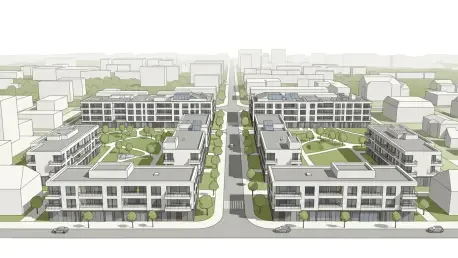
The cornerstone of the Keon Homes model is its ability to unlock “gateway” sites—prominent but difficult locations that set the tone for an entire neighborhood. The transformation of the former Duke of York pub into 32 energy-efficient council apartments serves as a prime example. This project is a critical component of the City of Wolverhampton Council’s £1 billion housing framework and a larger £120 million regeneration of the Heath Town area. By integrating with local government frameworks, the developer mitigates the financial risks typically associated with difficult builds. This collaborative approach allows for the pooling of resources and expertise, ensuring that even the most challenging sites can be converted into viable residential assets that serve the public good.
Prioritizing Social Value and Community-Centric Design
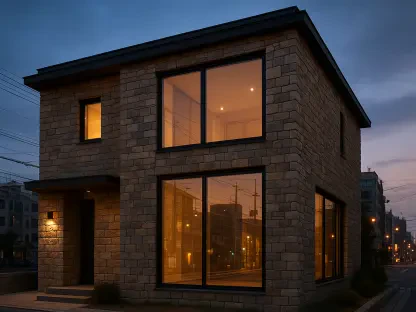
A common criticism of affordable housing in the past has been its lack of aesthetic appeal and social utility. Keon Homes is challenging this narrative by prioritizing community-centric design that emphasizes “social value.” The Duke of York project highlights this through the inclusion of shared garden spaces, private balconies, and enhanced landscaping. These features are not merely decorative; they are designed to promote resident interaction and foster a sense of pride in the environment. By focusing on the lived experience of the tenant, the company addresses the psychological aspects of urban living, suggesting that high-quality design is a prerequisite for long-term project success and neighborhood stability.
Balancing Energy Efficiency with Scalable Infrastructure
As environmental regulations become more stringent, the cost of building energy-efficient homes has risen. Keon Homes addresses this by utilizing modern construction methods that allow for the delivery of high-performance buildings at scale. Beyond the Wolverhampton site, the company has completed 376 properties in the past year alone, with hundreds more under construction in cities like Coventry and Telford. Their ability to replicate energy-efficient designs across different municipal jurisdictions demonstrates a high level of operational agility. However, the model is not without its challenges; maintaining this pace requires a constant stream of skilled labor and a stable supply chain, highlighting the complexities of scaling green technology in a volatile economic climate.
Emerging Trends in Public-Private Real Estate Development
The success of Keon Homes coincides with a significant shift in how urban regeneration is funded and executed. There is a growing trend toward “accelerated residential delivery,” where the traditional silos between public authorities and private developers are breaking down. We are seeing a move toward more integrated housing frameworks where social outcomes are weighed as heavily as financial returns. Technological innovations in pre-fabrication and digital twin modeling are also expected to play a larger role in reducing the lead times for complex brownfield projects. Experts predict that as more regions adopt these public-private partnership models, the emphasis will shift from merely “building units” to “creating ecosystems” that include retail, green space, and sustainable transport links.
Best Practices for Modernizing Urban Housing Frameworks
The Keon Homes blueprint offers several actionable insights for stakeholders in the real estate and public sectors. First, the integration of energy efficiency and architectural quality must be viewed as a non-negotiable standard rather than a luxury. Second, long-term partnerships with local councils provide the stability needed to tackle high-risk sites that would otherwise remain derelict. For developers, the strategy involves focusing on the “social return on investment,” which can facilitate smoother planning approvals and stronger community support. Finally, professionals in the field should prioritize “site-specific” solutions rather than one-size-fits-all designs, ensuring that new developments respect the historical and social context of the surrounding area.
A Sustainable Path Forward for the UK’s Housing Crisis
The strategic initiatives spearheaded by Keon Homes suggested that the future of urban regeneration lay in the intersection of innovation, collaboration, and social responsibility. By successfully tackling complex sites like the Duke of York pub and contributing to massive frameworks in the West Midlands, the company provided a roadmap for addressing the housing shortage without sacrificing quality. This topic remained significant because it addressed a fundamental human need—shelter—while also considering the environmental and social health of our cities. The most effective way to rebuild urban centers was to build homes that residents were proud of, supported by a framework that valued long-term community resilience over short-term profit. Professionals should have embraced these integrated models to ensure that urban development evolved into a tool for social equity.