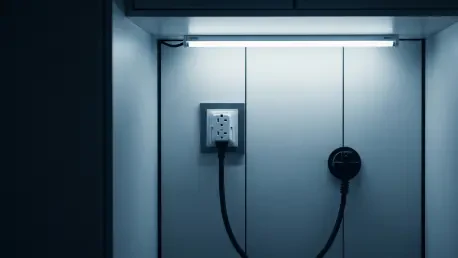
The convenience of a fully automated home environment is often taken for granted as homeowners integrate smart plugs into every conceivable corner of their living spaces. While these small modules provide an incredible level of control over lighting and minor electronics, the desire to automate
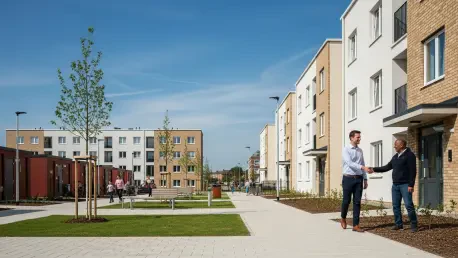
Achieving consistent success in the social housing sector requires a delicate balance between fiscal responsibility and the fundamental human need for safe, reliable, and comfortable living environments. For many organizations, maintaining a high level of tenant satisfaction remains an elusive goal
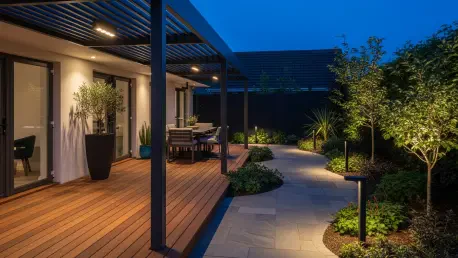
Contemporary residential architecture has evolved to the point where the physical threshold between interior sanctuaries and exterior landscapes has become nearly indistinguishable. This transformation is driven by homeowners who view their backyards as essential extensions of their living space
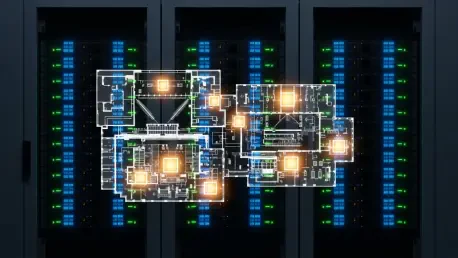
The luxury hotel lobby glows with automated lighting and the HVAC hums at a perfect seventy-two degrees, yet behind the scenes, the property’s monthly utility statement reveals a staggering discrepancy that the sophisticated Building Management System failed to predict or prevent. Most hotel
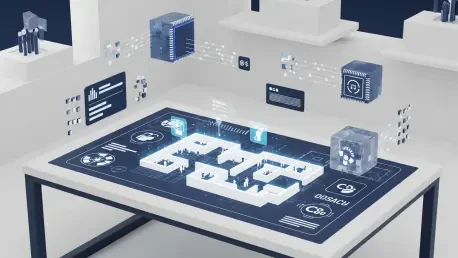
The sudden influx of autonomous building systems and generative diagnostics has left the facility management sector grappling with a profound paradox: buildings are getting smarter, but the workforce tasked with maintaining them is often left without the necessary digital blueprints. Modern
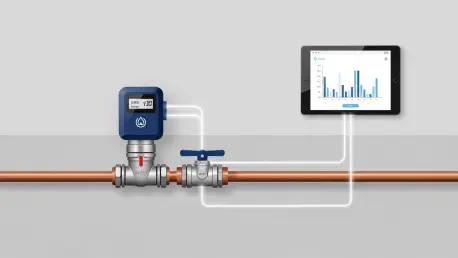
The integration of sophisticated digital ecosystems into modern residential architecture has traditionally focused on energy efficiency and security, yet the focus is rapidly shifting toward the optimization of water consumption. As municipalities struggle with aging infrastructure and fluctuating