
The rapid evolution of commercial construction has moved past simple automation toward a sophisticated integration of physical and digital assets. Operational commissioning efficiency is greatly improved when digital twins are used to bring new buildings online faster and with greater configuration accuracy. This transformation represents a departure from static building information modeling, offering instead a living, breathing database that mirrors every structural component. By synthesizing real-time data from high-density sensors, these virtual replicas allow stakeholders to move away from fragmented legacy systems toward a model of integrated, automated oversight. As the industry advances through the period from 2026 to 2028, the ability to visualize complex mechanical ecosystems in a single interface has become the new standard for excellence. These models provide a continuous stream of intelligence that informs every aspect of facility management, driving the transition to a primary engine for corporate strategy and operational resilience.
Redefining Asset Management and Efficiency
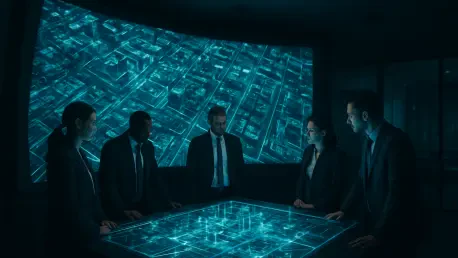
Enhancing Visibility through Virtual Modeling
The integration of digital twins into building management systems is redefining how facility efficiency is measured and achieved. By creating a high-fidelity virtual mirror of physical assets, organizations move beyond basic building automation to a state of continuous, data-driven optimization. This approach allows for the consolidation of various operational metrics into a single, unified platform, providing a level of oversight that was previously impossible with siloed systems. As we progress through the current period from 2026 to 2028, this architectural shift is enabling managers to identify bottlenecks in real-time, streamlining energy procurement and staffing requirements. The resulting transparency ensures that every decision is backed by empirical evidence rather than intuition. Consequently, the digital twin acts as a central hub for all activities, facilitating an agile management style that adapts to changing tenant needs while maintaining peak performance across the asset.
Proactive Maintenance and Mechanical Health
The primary value of a digital twin lies in its capacity to transform reactive maintenance into a highly surgical, proactive strategy that extends equipment life. By providing granular visibility into high-value assets such as central plant chillers and complex building management system components, these platforms identify mechanical anomalies before they escalate. Sensors track vibrations and pressure levels, feeding this information into a model that can detect subtle deviations from normal operating parameters. This level of insight allows facility managers to move away from rigid, calendar-based maintenance schedules that often lead to unnecessary labor costs or overlooked wear and tear. Instead, technicians are dispatched exactly when and where they are needed, armed with precise diagnostic data. This shift not only prevents catastrophic failures but also ensures that critical infrastructure operates at peak efficiency throughout its entire operational lifecycle, protecting the building’s core value.
Strategic Implementation and Corporate Value
Driving Quantifiable Energy and Cost Savings
Beyond simple maintenance, digital twins are powerful tools for operational optimization that yield significant financial returns. By analyzing data on actual building occupancy and environmental conditions, these systems can adjust settings to eliminate energy waste in real time. On average, organizations implementing these technologies see energy consumption drop by 10% to 20%, while general operational costs are frequently reduced by approximately 10%. These measurable gains make the technology an essential component of modern cost-control strategies, particularly in a climate of rising utility rates. The ability to simulate different scenarios allows operators to test the impact of environmental changes within the virtual space before implementing them physically. This reduces the risk of expensive errors and ensures that any changes to the systems will yield the desired improvements in performance. The result is a leaner operation that directly contributes to the bottom line while enhancing occupant comfort.
Adopting a Purpose-Driven Data Strategy
For many organizations, the prospect of digitizing an entire facility is daunting due to high upfront costs and technical complexity. To mitigate this, industry experts recommend a data with purpose approach, focusing first on high-value systems where energy waste is highest or downtime is most expensive. By targeting critical mechanical equipment and climate control systems in the initial phase, companies can secure a rapid return on investment and justify a wider rollout across the entire portfolio. This phased implementation allows teams to build technical competency and demonstrate success before tackling more complex integrations. Moreover, it ensures that the data collected is immediately actionable rather than overwhelming for the staff. Starting with a focused scope helps in identifying the specific sensors and protocols that deliver the most value. This strategic prioritization ensures that the digital twin remains a practical asset for day-to-day operations rather than just a complex theoretical model.
Advancing Real Estate Performance Through Digital Maturity
Strengthening Long-Term Sustainability and Integration
The successful integration of virtual replicas into the built environment established a new benchmark for how modern facilities were optimized and managed. Leaders who prioritized the creation of these digital assets effectively navigated the complexities of energy mandates and rising operational costs. By focusing on specific, high-impact data points first, organizations avoided the pitfalls of information overload and achieved a faster return on their technological investments. It was discovered that the most effective strategies involved a close partnership between technical departments and facility teams to ensure that data security remained robust as connectivity expanded. Moving forward, stakeholders should evaluate their current sensor density and data architecture to identify gaps that might hinder deeper automation. Investing in open-standards platforms remains essential for ensuring that digital twins stay compatible with emerging software solutions. Those who utilized these tools transformed their properties into high-performing assets.
Ensuring Accuracy through Continuous Data Synchronization
Owners who successfully implemented these systems found that maintaining a clean and consistent data stream was the most critical factor in the long-term viability of their virtual models. It was recommended that facilities conduct regular audits of their digital twins to ensure the virtual environment accurately reflected physical changes made during renovations or equipment upgrades. This ongoing synchronization between the physical and digital realms preserved the accuracy of predictive analytics and supported more complex automation scenarios. Furthermore, the use of open-source data protocols allowed for easier integration with third-party sustainability platforms and municipal energy grids. By treating the digital twin as a dynamic asset rather than a finished project, management teams were able to extract continuous value and adapt to new regulatory requirements. Future investments should focus on enhancing the edge computing capabilities of onsite sensors to improve the responsiveness of automated systems.