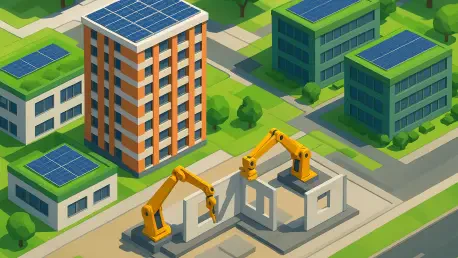
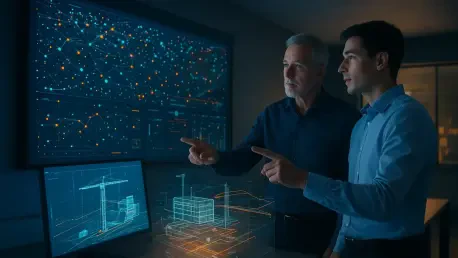
The Engineering, Procurement, and Construction sector has moved definitively past the experimental phase of digital adoption into a period of rigorous, high-stakes execution. As capital projects grow in complexity and technical demands become more stringent, the industry has embraced connected

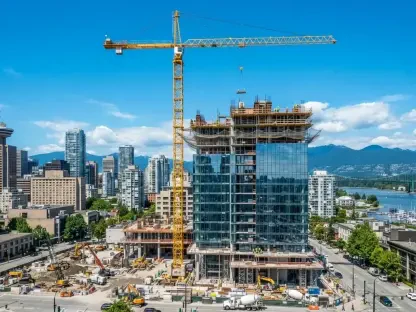
Architects have designed the Waldorf Astoria Miami as a series of offset glass cubes that will eventually reach the milestone of eighty-five stories. This structure represents more than just a feat of engineering; it symbolizes a dramatic shift in the city’s identity from a vacation destination
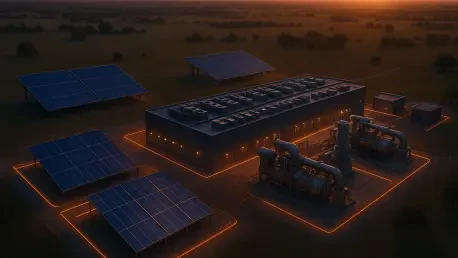
Immersion cooling techniques using mineral oil represent a more efficient alternative to traditional water-based systems, though scaling these technologies remains a challenge. As the digital economy accelerates, Texas has found itself at the epicenter of a massive industrial expansion that is

Designers have doubled their use of AI for planning and design tasks, moving away from simple administrative automation toward sophisticated visual conceptualization. This shift marks a turning point in the residential improvement sector, where what was once an experimental novelty has matured into
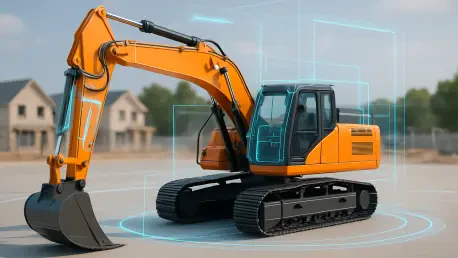
The implementation of a fully electro-hydraulic control system in the new -9 Series provides contractors with an 8 percent improvement in fuel efficiency over previous models. This advancement arrives at a critical juncture for the construction industry, where the demand for lower operating costs
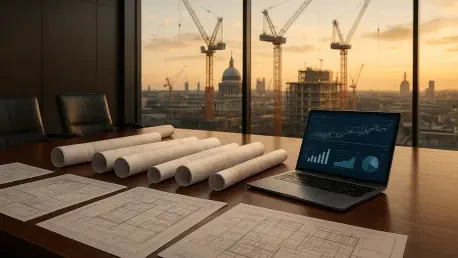
A significant portion of the construction industry is suffering from compliance-related friction that prevents them from even entering the race for certain high-profile projects. In the current economic climate of 2026, the stakes for major infrastructure and commercial developments have never been