
Analysis of the latest federal data shows that power cable prices have reached a new normal that is 119.4% above pre-COVID benchmarks. This staggering figure highlights a broader trend where construction material costs have fundamentally detached from historical averages, leaving developers to grapple with a landscape that looks nothing like the economic environment of a few years ago. While the general economy has seen the Consumer Price Index (CPI-U) stabilize with a modest monthly rise of just 0.1%, the construction sector continues to face significantly higher inflationary pressure. The August Producer Price Index (PPI) revealed a 0.3% seasonally adjusted monthly increase, which contributes to a cumulative 5.1% year-over-year rise. These numbers suggest that while the pace of escalation has slowed from the frantic peaks of previous cycles, the baseline for entry-level project costs has shifted permanently upward, creating a challenging environment for long-term budget forecasting and capital allocation.
Structural Shifts in Essential Building Materials
Material Persistence: High Electrical and Metal Costs
The electrical sector stands as the most prominent example of this structural shift, with copper wire and cable prices surging by 103% compared to pre-pandemic baselines. This drastic increase is not merely a temporary spike but rather the result of a complex interplay between limited global supply and a massive surge in demand for electrification and grid modernization projects. For contractors operating in 2026, these costs represent a massive hurdle that requires more sophisticated procurement strategies than were necessary in the past. Global supply chain disruptions that began years ago have left a lasting scar on the availability of high-grade conductive materials, ensuring that even as logistical bottlenecks clear, the scarcity of the raw materials themselves keeps prices elevated. This environment has forced many firms to reconsider their material choices or to lock in prices much earlier in the design phase to avoid the budget overruns that have become commonplace in large-scale commercial developments.
Strategic Impact: Navigating the New Economic Normal
Beyond the immediate impact on electrical systems, these sustained price levels have altered the fundamental profitability of infrastructure projects. The industry is transitioning from a period of extreme, unpredictable volatility into a phase characterized by slower but incredibly persistent price growth. This means that while we may no longer see the 20% jumps in a single quarter, there is also no evidence of a return to the pricing seen in 2019. This “new normal” is particularly evident in specialized wiring components where the technical requirements limit the number of viable manufacturers. Consequently, developers must now integrate these higher costs into their pro formas as a permanent fixture rather than a temporary anomaly. Navigating this landscape requires a shift in mindset from waiting for a correction to managing a higher cost of doing business. The data suggests that the most volatile cost drivers, particularly those tied to global metal markets, will remain the primary sources of financial risk for construction projects through 2027 and beyond.
Market Evolution: Diverging Trends and Pricing Models
Timber Evaluation: Diverging Markets and Processed Components
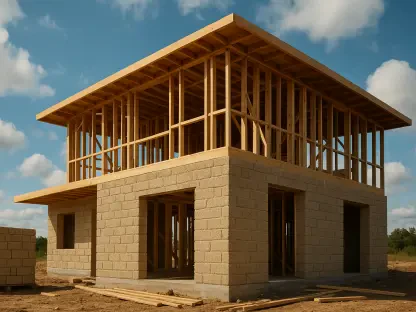
While electrical components remain high, the wood products sector offers a more nuanced perspective on market behavior, showing a distinct divergence between raw lumber and processed goods. Softwood lumber prices recently experienced a slight monthly decline of 1.9%, providing a much-needed cooling period for residential builders who have been squeezed by erratic timber costs. However, this relief is not universal across all wood-based materials; soft plywood products have continued a steady upward climb, rising 2.1% in August and marking a nearly 25% increase since late last year. This disparity suggests that while raw timber harvesting and initial milling may be stabilizing, the secondary processing and manufacturing of plywood are still subject to significant upward pressure from labor and energy costs. For builders, this means that tracking “lumber” as a single category is no longer sufficient. Detailed monitoring of specific wood-based derivatives is essential to accurately price framing and finishing work in a market where one material may drop as another rises sharply.
Pricing Models: Finished Goods and Heavy Materials
In contrast to the fluctuations in the timber and metal markets, finished goods like plumbing fixtures, flat glass, and major appliances demonstrated a “stair-step” pricing model. This pattern was defined by long stretches of price stability followed by sudden, sharp adjustments that reflected the delayed pass-through of earlier raw material costs. During August, these categories remained relatively flat, suggesting that the industry occupied a period of consolidation. Meanwhile, heavy materials such as ready-mix concrete and asphalt roofing showed only marginal gains, which helped to temper the overall monthly inflation rate. Industry leaders took proactive steps to mitigate these risks by diversifying supply chains and investing in pre-fabrication techniques that reduced on-site waste. In 2026, the strategy shifted toward long-term vendor partnerships and the adoption of more efficient building techniques that minimized reliance on the most volatile commodities. Stakeholders adjusted by prioritizing transparency and flexible contracting to ensure project viability.