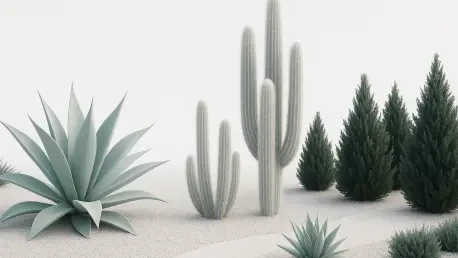

Structural planting relies on the contrast between permanent architectural forms and soft mid-layer fillers like Strobilanthes or glossy Rhaphiolepis to build visual depth. This approach is particularly effective during the winter months when the garden is stripped of its seasonal blooms and the underlying geometry of the landscape becomes visible. By focusing on permanent shapes and silhouettes, a designer can create a space that feels intentional and full of life even in the absence of traditional color. The interplay between rigid trunks, spiky succulents, and soft evergreens creates a sophisticated atmosphere that transcends the traditional reliance on floral cycles. This method ensures that the garden remains a destination for visual interest regardless of the temperature. It is about creating a permanent framework that maintains its integrity when the soft perennials disappear. This strategic use of form allows the low-angled winter sun to highlight textures that are usually overlooked during the spring.
1. Guidelines for Selecting Structural Plants
Engaging with specialized growers who focus on mature specimens is a critical step in the design process because it allows for an immediate assessment of a plant’s eventual scale. Visiting a niche nursery provides a tactile experience where a homeowner or designer can stand beside a two-meter Xanthorrhoea or a towering cactus to understand how it will occupy space within a residential setting. These environments offer a level of detail that smaller retail centers cannot match, particularly regarding the health and character of long-lived species. Observing how a mature specimen handles light and shadow in a nursery setting helps in visualizing its impact on a specific site. Furthermore, seeing these plants in their full glory prevents the common mistake of underestimating the room they require to thrive over the coming years. A well-grown plant serves as a living sculpture that dictates the rhythm of the entire garden, making the selection process at a specialized level a non-negotiable stage of design.
Beyond visual appeal, the integrity of the garden depends heavily on the sustainable and ethical acquisition of rare specimens. When incorporating the Australian grass tree, or Xanthorrhoea, it is imperative to verify that the supplier holds the necessary licenses for sustainable harvesting or propagation. Since these plants grow incredibly slowly and hold significant ecological value, sourcing from reputable nurseries prevents the illegal trade of wild-harvested specimens that often fail to survive relocation. While focusing on these focal points, equal attention must be paid to the quality of the companion shrubs that will frame them. Selecting Buxus or Rhaphiolepis requires a discerning eye for density and branching patterns rather than just height. Specimens that appear leggy or show signs of aggressive recent pruning should be avoided, as they lack the structural fortitude needed to provide a lush, dark backdrop for more dramatic focal plants. Strong companions should offer a consistent mass that highlights fine texture.
2. How to Install Structural Plantings
The physical placement of structural elements determines whether a garden feels like a collection of plants or a cohesive landscape design. Positioning a Xanthorrhoea where it can be backlit by the low-hanging winter sun transforms its fine-textured foliage into a glowing halo, while also casting dramatic, elongated shadows across a lawn or pavement. This utilization of natural light is particularly effective when the plant is set against a minimalist backdrop, such as a neutral wall or the clear horizon of an open sky. Similarly, when working with the silver torch cactus, or Cleistocactus strausii, the best results are achieved by planting in odd-numbered clusters rather than as isolated individuals. Grouping three or five columns of varying heights creates a rhythmic verticality that mimics natural desert outcroppings. A north-east orientation is ideal for these cacti, as it ensures that the dense white spines capture the maximum amount of morning light, giving the columns a luminous, metallic quality.
Sufficient clearance is another vital factor that determines the long-term success of an architectural planting scheme. Species like Nolina nelsonii possess a wide, arching form that requires ample room to expand without being crowded by neighboring plants or structural walls. When these plants are given the space to breathe, their natural blue-grey fans can fully express their sculptural geometry, which is the primary reason for their inclusion in the design. Overcrowding often leads to a loss of the very silhouette that makes the plant valuable, resulting in a cluttered appearance that diminishes the garden’s overall impact. Furthermore, the final selection of each specimen must focus on its unique personality and fullness from the outset. Because structural plants are permanent fixtures, choosing a specimen based on its current character ensures that the garden looks established immediately upon installation. Investing in the right height and density initially saves years of waiting for a sparse plant to grow.
3. Strategic Implementation for Long-Term Impact
Success in winter garden design was often achieved when the focus shifted from seasonal trends toward the enduring principles of form and texture. Designers who prioritized the skeletal structure found that their landscapes maintained a sense of purpose even during the deepest frosts. The most effective projects utilized a layering technique where the rigid, unyielding shapes of cacti and succulents were softened by a carefully curated mid-layer of perennials. This approach created a tension between the wild and the disciplined, which enhanced the visual complexity of the space. By analyzing light patterns during the shortest days of the year, it was possible to map out precisely where focal points would generate the most drama. Those who integrated high-quality specimens from the start avoided the pitfalls of waiting for immature plants to reach a functional size. The result was a garden that felt intentional and complete, providing a sanctuary of greenery and architectural interest that lasted.
The transition toward a more structured landscape required a commitment to maintenance practices that protected the architectural integrity of the design. Pruning schedules were adjusted to ensure that companion shrubs remained dense and dark, providing the necessary contrast for the brighter, more textured specimens. Future considerations for these gardens involved the monitoring of drainage systems, as many structural plants like Nolina and Xanthorrhoea were sensitive to waterlogged soil during the colder months. Homeowners who sought to replicate these results were encouraged to start with a site analysis that identified existing light traps and wind corridors. This proactive approach allowed for the selection of species that were not only visually striking but also biologically suited to the specific microclimate of the property. By viewing the winter garden as an opportunity for architectural expression rather than a period of absence, a new standard for year-round livability was established.