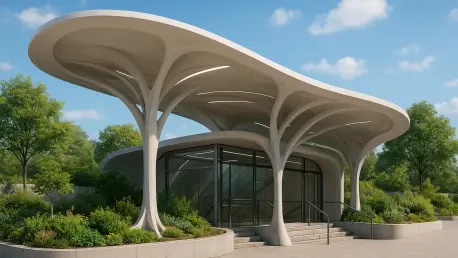

Comparing modern rail stations to landmark structures like Christchurch’s Tūranga library underscores the role of architecture in fostering a shared sense of civic pride. The Auckland City Rail Link (CRL) serves as a profound testament to this evolution, moving beyond basic infrastructure to establish a new cultural standard for the regional landscape. This NZ$5.493 billion endeavor, featuring 3.45-kilometer twin tunnels, is slated for its grand opening on September 13, following nearly a decade of complex construction. While the primary function of the rail link remains the optimization of the transport network, it has simultaneously ignited a national dialogue regarding the necessity of aesthetics in public works. The project marks a departure from historic hesitance, signaling that Auckland is finally ready to embrace a sophisticated identity that prioritizes the human experience as much as the daily commute itself through a commitment to high-quality design.
Assessing The Tension Between Frugality And Grandeur
The core of the current debate surrounding the City Rail Link centers on the persistent tension between bare-minimum utilitarianism and aspirational civic design. Critics of the project’s architectural ambition, including Auckland Mayor Wayne Brown, have often voiced concerns about the financial implications of such elaborate spaces. By likening the new stations to “cathedrals,” these skeptics suggest that public funds should be directed toward purely functional requirements rather than aesthetic flourishes. This viewpoint is deeply rooted in a traditional cultural preference for practicality and frugality, often summarized by the “number 8 wire” mentality that prioritizes makeshift efficiency over polished permanence. From this perspective, the role of a train station is merely to facilitate transit, acting as a functional conduit rather than a destination. This mindset posits that any expenditure exceeding fundamental needs is an unnecessary burden on the taxpayer and the economy.
Building on this utilitarian critique, the argument for simplicity emphasizes that infrastructure should ideally remain invisible to the public treasury through cost-saving measures. Proponents of this “lean” approach argue that grand architectural gestures do little to improve train frequency or reliability, which are the metrics most critical to a commuter’s daily life. They contend that the allocation of billions toward high-quality materials and expansive public spaces could have been reinvested into expanding the network further or subsidizing fares. This perspective highlights a fundamental philosophical divide in urban planning: whether transit is a basic service or a cornerstone of the city’s visual fabric. In a climate of economic scrutiny, the call for “functional sheds” instead of architecturally significant stations resonates with those who fear that grandeur comes at the expense of fiscal responsibility and broader service coverage across the Auckland region in 2026.
Redefining Public Spaces As Catalysts For Urban Vitality
In contrast to the minimalist view, there is a burgeoning consensus that successful modern cities require more than just utilitarian warehouses to function effectively. The CRL project demonstrates that when a city invests in beautiful, well-designed public spaces, it creates environments that people actually want to inhabit and protect. The massive public interest observed during recent station previews suggests that residents are hungry for infrastructure that reflects a more ambitious and confident version of their city. By moving away from civic hesitance, Auckland is following a global trend where transit hubs serve as the “living rooms” of the community. These spaces do more than move people; they foster social cohesion and provide a sense of belonging that basic platforms simply cannot achieve. This shift suggests that the value of architecture is not decorative but foundational to the psychological health and social vibrancy of an increasingly dense population.
This approach naturally leads to the understanding that high-quality design can drive long-term economic and social dividends that far outweigh initial construction costs. When a station is perceived as a landmark, it attracts surrounding development, enhances property values, and encourages a higher rate of public transit adoption among demographics that might otherwise rely on private vehicles. The architectural integrity of the CRL stations reflects a commitment to the “coming-of-age” for a city that has historically struggled with its identity on the world stage. By integrating indigenous cultural narratives and sophisticated materials, the project creates a unique sense of place that resonates with both locals and visitors. The decision to prioritize beauty alongside utility serves as a statement of respect for the citizens, suggesting that the public realm deserves the same level of care and investment as private or corporate developments located within the urban core.
Shaping The Future Of Sustainable Civic Development
Looking forward, the successful integration of the City Rail Link into the daily lives of commuters suggested that the binary choice between utility and beauty was ultimately a false dichotomy. Future urban planning initiatives benefited from the realization that aesthetic excellence and functional efficiency are complementary forces that contribute to a resilient city. Policy makers and planners began to prioritize holistic design frameworks that accounted for the psychological impact of the built environment on passenger transit experiences. It became clear that investing in high-quality public architecture was a strategic move to future-proof the city against the social isolation often found in poorly designed urban centers. The actionable takeaway for subsequent projects involved the establishment of rigorous design standards that treated civic pride as a measurable metric of success. By rejecting the “bare-minimum” approach, the city secured a legacy of infrastructure that inspired ownership and unity.