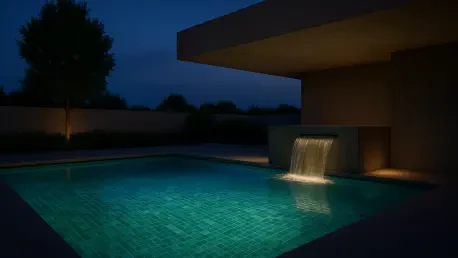

Strategic landscape preservation at projects like the Sundance Retreat allows man-made water features to appear as if they were naturally occurring elements of the native Sonoran ecology. This architectural evolution marks a significant departure from the generic blue-plaster basins of the past, as modern designers now prioritize a symbiotic relationship between luxury construction and the rugged Arizona terrain. In 2026, the luxury pool is no longer an isolated amenity but a central anchor that dictates the flow and feeling of the entire estate. This shift has been driven by a desire to create sanctuaries that reflect the sophistication of a home’s interior while acknowledging the brutal beauty of the desert. By treating water as a horizontal canvas, homeowners are effectively bridging the gap between high-end lifestyle demands and the preservation of the local environment. These developments highlight a broader trend where the concept of an oasis is redefined to be more intentional, sustainable, and aesthetically profound for the modern resident.
Harmonizing Water with the Natural Landscape
Integration of Rugged Naturalism and Site Logistics
The philosophy of rugged naturalism emphasizes the importance of maintaining the site’s original character by integrating natural desert elements directly into the pool’s perimeter. Instead of clearing the land of its native flora, architects are now meticulously relocating Saguaro cacti, Ocotillo, and massive granite boulders to create a seamless transition between the water and the wild environment. This approach creates a visual narrative where the pool appears to have been carved out of the earth rather than dropped onto it. Such organic integration requires a deep understanding of the local ecosystem, ensuring that every plant and rock placement serves both an aesthetic and ecological purpose. By using the desert as a primary design partner, builders are able to soften the hard lines of contemporary architecture, resulting in a sanctuary that feels grounded in its unique geological history. This method transforms the backyard into a living museum of the Southwestern landscape.
Executing these ambitious designs often involves complex logistical maneuvers that must be managed with surgical precision, especially within exclusive gated communities. In many instances, the construction sequence is entirely inverted, requiring the pool and its associated retaining walls to be completed before the foundation of the main house is even poured. This strategy is necessary to ensure that heavy machinery has sufficient access to the site without damaging the home’s structure or the sensitive surrounding terrain. Furthermore, strict neighborhood regulations often dictate the preservation of natural washes and native vegetation, leaving little room for error during the excavation phase. Builders must work closely with environmental consultants to navigate these constraints, balancing the structural integrity of massive masonry projects with the delicate requirements of the land. These logistical challenges underscore the immense level of planning required to produce a luxury water feature in today’s market.
Aesthetic Minimalism and Reflective Surfaces
Modern luxury pools in Arizona frequently lean into a minimalist aesthetic, often described by leading designers as a simple and refined approach to desert living. The focal point of these designs is typically a spa or a geometric basin clad entirely in glass tile, which catches the intense desert sun and creates a shimmering jewel effect. By utilizing perimeter-overflow technology, where the water flows over all four edges into a hidden gutter, designers can create a perfectly level, mirror-like surface. This architectural choice eliminates the visual clutter of traditional coping and tile lines, allowing the eye to focus on the purity of the water itself. Such minimalism is not about a lack of detail, but rather about the refinement of every single element to its most basic and beautiful form. This style of design serves as a quiet counterpoint to the busy textures of the desert, providing a sense of visual rest for the homeowner while maintaining a high level of contemporary sophistication.
The use of reflective surfaces transforms the pool from a recreational utility into a dynamic piece of landscape art that changes with the movement of the sky. When the sun begins to set over the White Tank or McDowell Mountains, the water acts as a horizontal mirror, capturing the vivid oranges, purples, and pinks of the Arizona horizon. This atmospheric interaction is intentional, as designers strategically place the pool to maximize these celestial reflections. By selecting dark interior finishes—such as midnight blue or charcoal gray—the water becomes a deep, dark mirror that enhances the clarity of these reflections. This depth also provides a cooling psychological effect, making the water feel like a deep mountain spring rather than a shallow backyard pool. During the evening hours, the integration of subtle underwater LED lighting further enhances this effect, turning the water into a glowing focal point that provides a dramatic backdrop for social gatherings and nocturnal relaxation.
Mediterranean Influence and Material Artistry
Water-Wise Transformations and European Aesthetics
A significant trend currently shaping the high-end Arizona market is the modernization of older estates through water-wise transformations that do not sacrifice opulence. Many homeowners are moving away from the thirsty, lawn-heavy landscapes of the previous generation, opting instead for a “South of France” or Mediterranean aesthetic. This European influence is particularly well-suited for the arid Southwest, as it relies on gravel paths, stone terraces, and specimen accents rather than sprawling turf. By using olive trees, lavender, and agave, designers create a lush, leafy environment that requires significantly less water than traditional tropical-style backyards. This transition represents a more mature and responsible approach to luxury, where the beauty of the landscape is measured by its harmony with the local climate. These gardens provide a cooling microclimate that surrounds the pool area, creating a private sanctuary that feels both timeless and environmentally conscious in its execution.
The move toward Mediterranean-inspired aesthetics also allows for a more cohesive connection between the indoor and outdoor living spaces. Large sliding glass walls frequently open onto stone-paved patios that lead directly to the water’s edge, blurring the distinction between the home’s interior and its exterior surroundings. This layout encourages a lifestyle where the backyard is used as an extension of the kitchen and living room, facilitating an effortless flow for daily activities. The use of natural stone, such as travertine or limestone, for the pool decking ensures that the surfaces remain cool under the intense sun while providing a soft, neutral palette that complements the surrounding desert tones. By integrating these European design principles, Arizona homeowners are able to achieve a level of sophistication that feels globally inspired yet locally appropriate. This hybrid approach to landscaping has become a hallmark of the most prestigious properties in the Phoenix and Scottsdale regions.
The Impact of Handcrafted Materials and Color
What distinguishes a truly bespoke luxury pool in 2026 is the meticulous selection of handcrafted materials that provide texture and visual depth. Designers are increasingly moving away from mass-produced ceramic tiles in favor of authentic Moroccan Zellige. These tiles are prized for their slight imperfections, variations in glaze, and hand-cut edges, which create a vibrant, tactile surface that reflects light in a way that modern factory tiles cannot. When used in a pool or spa, Zellige tiles provide a sense of history and artisan craftsmanship, making the water feature feel like a custom piece of jewelry. This focus on materiality extends to the pool’s interior finish as well, where natural pebble aggregates and polished marble dust are used to create a smooth, durable, and visually rich environment. These materials are chosen not only for their longevity in the harsh Arizona sun but also for the way they interact with water to create a sense of movement and organic life.
The selection of color plays a critical role in defining the mood of the outdoor space, with a strong preference emerging for darker, more dramatic palettes. By choosing deep teals, blacks, and dark grays for the pool’s interior, designers can create a black mirror effect that provides a striking contrast to the pale desert sand and bright blue sky. This dark coloration also helps to naturally heat the water during the shoulder seasons, extending the swimming year without a heavy reliance on mechanical heaters. Beyond the functional benefits, the visual richness of a dark pool adds a layer of mystery and elegance to the landscape, making the water feel more integrated with the shadows and textures of the desert night. The combination of handcrafted tile and deep interior tones results in a water feature that feels permanent and substantial, standing in stark contrast to the flimsy, temporary feel of standard residential pools. This focus on material artistry is a key driver of luxury today.
Bold Geometry and Holistic Design
Soft Brutalism and Interactive Water Features
One of the most avant-garde architectural shifts in the desert is the rise of Soft Brutalism, a style that utilizes bold, monumental shapes to create a powerful sense of presence. In the context of luxury pools, this often manifests as massive concrete walls, cantilevered overhangs, and striking geometric forms like triangular spas or rectangular basins with sharp, clean lines. While traditional Brutalism can sometimes feel cold or institutional, Soft Brutalism mitigates this by incorporating warm, natural materials and intentional lighting. For instance, a concrete pool bridge might be topped with smooth marble or flanked by glowing fire features to create a more inviting atmosphere. This design philosophy challenges the notion that a desert home must be soft to be comfortable, leaning instead into the bold power of raw materials. The result is a structure that feels as ancient and enduring as the mountains themselves, providing a sense of security and permanence within the vast landscape.
Interactive features are also being reimagined to create a multi-sensory social ecosystem where the elements of fire and water are brought into immediate proximity. A prime example is the sunken fire pit, which is located directly in the center of the pool and accessed by a stone walkway or floating steps. This configuration allows guests to sit at water level while surrounded by the warmth of a fire, creating a unique and intimate social environment. Such features transform the pool from a place for solo exercise into a social hub that is used long after the sun goes down. The sound of water—delivered through hidden spillways or dramatic scuppers—adds another layer to the experience, masking neighborhood noise and creating a sense of total seclusion. By blending these elemental forces, designers are creating highly specialized spaces that cater to the modern homeowner’s desire for both relaxation and high-end entertainment, making the backyard the true heart of the home.
Advancing the Legacy of Desert Sanctuaries
The evolution of luxury pools in Arizona demonstrated a clear shift toward a more sophisticated, ecologically conscious, and architecturally integrated way of living. By moving away from generic designs and embracing the unique challenges of the desert, designers established a new standard for what a private oasis could be. Homeowners who sought to elevate their outdoor spaces learned that the most successful projects were those that prioritized material quality and site-specific intentionality over mere ornamentation. As the industry progressed, the focus shifted toward long-term sustainability and the seamless integration of technology, ensuring that these retreats remained viable in an increasingly arid climate. For those looking to redefine their own outdoor living experience, the path forward involved a commitment to preserving the natural beauty of the land while utilizing handcrafted materials to create a bespoke aesthetic. Ultimately, the legacy of these projects proved that true luxury was found in the balance between the built environment and the wild Sonoran landscape.